European Economic
and Social Committee
European Economic
and Social Committee
The European Economic and Social Committee (EESC) is the voice of organised civil society in Europe.
Find out more about its role and structure at http://www.eesc.europa.eu/en/about
The EESC issues between 160 and 190 opinions, evaluation and information reports a year.
It also organises several annual initiatives and events with a focus on civil society and citizens’ participation such as the Civil Society Prize, the Civil Society Days, the Your Europe, Your Say youth plenary and the ECI Day.
Find the latest EESC opinions and publications at http://www.eesc.europa.eu/en/our-work/opinions-information-reports/opinions and http://www.eesc.europa.eu/en/our-work/publications-other-work/publications respectively.
The EESC is active in a wide range of areas, from social affairs to economy, energy and sustainability.
Learn more about our policy areas and policy highlights at http://www.eesc.europa.eu/en/policies
The EESC holds nine plenary sessions per year. It also organises many conferences, public hearings and high-level debates related to its work.
Find out more about our upcoming events at http://www.eesc.europa.eu/en/agenda/our-events/upcoming-events
Here you can find news and information about the EESC'swork, including its social media accounts, the EESC Info newsletter, photo galleries and videos.
Read the latest EESC news http://www.eesc.europa.eu/en/news-media/news and press releases http://www.eesc.europa.eu/en/news-media/press-releases
The EESC brings together representatives from all areas of organised civil society, who give their independent advice on EU policies and legislation. The EESC's326 Members are organised into three groups: Employers, Workers and Various Interests.
Find out more about our Members and groups at http://www.eesc.europa.eu/en/members-groups
The EESC has six sections, specialising in concrete topics of relevance to the citizens of the European Union, ranging from social to economic affairs, energy, environment, external relations or the internal market.
Find out more at http://www.eesc.europa.eu/en/sections-other-bodies
EESK Darba ņēmēju grupa
“Cilvēkam nav iespējams melot, ja vien viņš nedomā, ka zina patiesību. Muļķību radīšanai šāda pārliecība nav vajadzīga.” Pēc vakar notikušās tā sauktās “Atbrīvošanas dienas” Vašingtonā filozofa Harija G. Frankfurta darbs “Muļķības” šķiet īpaši nozīmīgs.
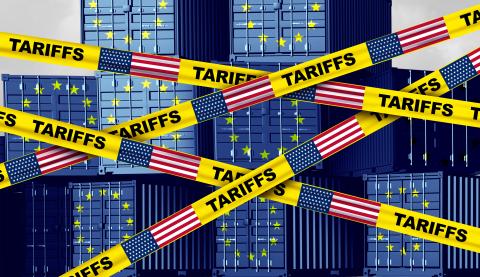
ASV prezidents 2. aprīlī paziņoja par vienotas likmes 10 % importa tarifu visiem, kā arī par īpašu tarifu “sliktākajiem pārkāpējiem”. Tika demonstrēts šādu pārkāpēju saraksts, norādot skaitļus par “savstarpējiem tarifiem” citās valstīs, tostarp 20 % Eiropas Savienībai. Tas, ka šie skaitļi lielā mērā ir bezjēdzīgi un noteikti neatbilst nevienai pareizai savstarpējo tarifu definīcijai, acīmredzami nerada bažas prezidentam, tāpat kā fakts, ka ES pakalpojumu tirdzniecības deficīts gandrīz līdzsvaro kopīgo tirdzniecību starp abiem blokiem. Taču par precizitāti nekad nav bijusi runa.
Sākoties jaunam tirdzniecības karam, kura pamatā ir nonsenss, kas cilvēkiem būtu jāgaida? Augstāka inflācija, tirgus nenoteiktība un trieciens Eiropas rūpniecībai. Vēl nav zināms, vai tas dos labumu ASV darba ņēmējiem.
Papildus tarifiem ES ir jāaizsargā darba ņēmēji un darbvietas savās valstīs, mazinot sākotnējo ietekmi ne tikai tarifu dēļ, bet arī viņu patvaļības radītās nenoteiktības dēļ. Tas nozīmē reaktivēt mūsu iekšējo pieprasījumu un nodrošināt, ka bagātība tiek pārdalīta un efektīvi izmantota.
Tas nozīmē arī mūsu galveno nozaru un sektoru aizsardzību un ieguldījumus tajās, enerģijas avotu dažādošanu, dzīves dārdzības krīzes pārvarēšanu un ES reformēšanu, lai tās lēmumu pieņemšana būtu efektīva. Spēcīga un noturīga sabiedrība ir vienīgais, kas var novērst to, ka visā kontinentā rodas arvien vairāk Trampu. Sociālie partneri ir šādas sabiedrības būtiska sastāvdaļa. Vieni no Maska-Trampa dueta zvērinātajiem ienaidniekiem ir arodbiedrības, un tam ir pamatots iemesls.