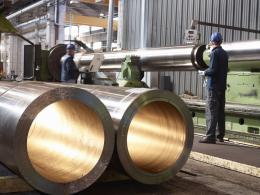
Europe’s steel industry is facing serious challenges with wide-reaching implications. Without swift and decisive action, factories could close, jobs be lost, and the EU’s strategic autonomy in defence, clean energy and digital technologies threatened. The European Economic and Social Committee (EESC) calls on the European Commission to strengthen trade safeguards, reform energy policies and support investment in low-carbon production.
On 8 June 2022 the Consultative Commission on Industrial Change (CCMI) celebrated its 20th anniversary with a conference focused on the challenges of today and the prospects for tomorrow. This publication is a record of the occasion and a commemoration of what CCMI has achieved since joining the EESC.
The Consultative Commission on Industrial Change (known by its French acronym of CCMI, Commission Consultative des Mutations Industrielles), is the heir of the European Coal and Steel Community (CECA in French) and joined the EESC in 2002. Since then, the CCMI’s remit does no longer only cover the traditional coal and steel sectors but has been extended to embrace all sectors of industry in both manufacturing and services.
This study deals with the use of hydrogen for the de-carbonization of the Resources and Energy Intensive Industries (REIIs) and gives a specific insight of the situation of the steel-making industry.
Following the publication of the European Commission's Update to the New Industrial Strategy, the European Economic and Social Committee (EESC) has been carrying out a series of activities to fulfil its role of representing the views of organised civil society. A first event in this process has been a conference held on 17 June 2021, from 2.30 to 6 p.m., on Updated industrial strategy: towards a more resilient and strategically autonomous EU industry?
The European Economic and Social Committee (EESC) and the Consultative Commission on Industrial Change (CCMI) believe that the present and future of critical raw materials resilience is of essential concern to EU's organised civil society. For this reason, and because the Commission's Action Plan represents a step forward by providing a clear roadmap with initiatives and actions to be taken at EU level, overall the EESC recommends that the European Parliament and the Council support this approach.