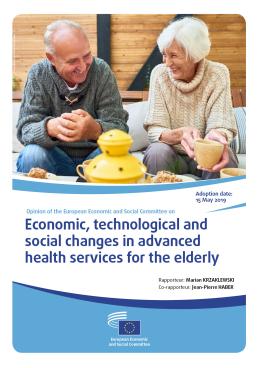
This brochure provides a review of the socio-economic realities of ageing in Europe and the challenges and opportunities that this new "silver economy" entails.
This publication is the result of 43 testimonies collected from EESC members across the 27 EU Member States between April and September 2020.
They devoted their time and their pens to give readers the chance to discover their world of emotions during the difficult time of the COVID-19 pandemic.
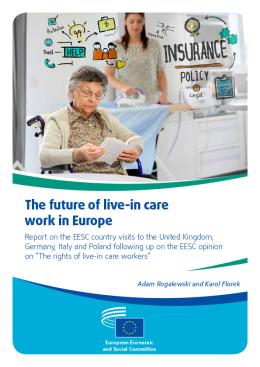
Report on the EESC country visits to the United Kingdom, Germany, Italy and Poland following up on the EESC opinion on “The rights of live-in care workers”
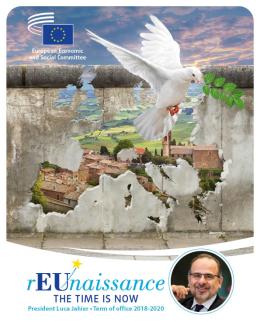
I started in April 2018 thinking we needed to rediscover the humanistic spirit of the Renaissance to speed our journey on the path to a sustainable Europe. On the back of Brexit and ahead of the European elections, I knew civil society had a vital role to play to steer the European economy and society towards more sustainable and smart models.
At the end of my mandate, I can say Europe has once again shown its resilience.
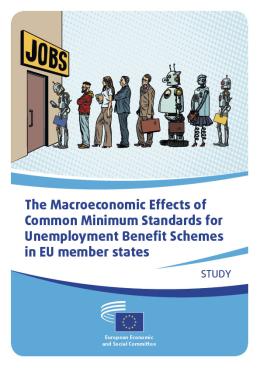
This study examines the impact on the automatic stabilisation properties of national unemployment benefit systems of a European policy initiative that would introduce minimum standards to those systems.
The Group on Fundamental Rights and the Rule of Law (FRRL) was set up in 2018 as a horizontal body within the EESC, and was tasked with enhancing the contribution of organised civil society in strengthening fundamental rights, democracy and the rule of law and responding to the shrinking civic space for civil society organisations.
The End of Mandate Report summarises the main activities led by the FRRL Group between 2018 and 2020.
This brochure looks back on some of the success stories of the Committee from 2019. It illustrates our ongoing efforts to fulfil the mission we were given more than 60 years ago. 2019 was an eventful year on many levels for the European Union and the EESC has played to the fullest its role of acting as a bridge between the EU and civil society through their work in the Member States to systematically advance civil and social dialogue and put citizens at the heart of the Committee's opinions, publications and activities.