European Economic
and Social Committee
European Economic
and Social Committee
The European Economic and Social Committee (EESC) is the voice of organised civil society in Europe.
Find out more about its role and structure at http://www.eesc.europa.eu/en/about
The EESC issues between 160 and 190 opinions, evaluation and information reports a year.
It also organises several annual initiatives and events with a focus on civil society and citizens’ participation such as the Civil Society Prize, the Civil Society Days, the Your Europe, Your Say youth plenary and the ECI Day.
Find the latest EESC opinions and publications at http://www.eesc.europa.eu/en/our-work/opinions-information-reports/opinions and http://www.eesc.europa.eu/en/our-work/publications-other-work/publications respectively.
The EESC is active in a wide range of areas, from social affairs to economy, energy and sustainability.
Learn more about our policy areas and policy highlights at http://www.eesc.europa.eu/en/policies
The EESC holds nine plenary sessions per year. It also organises many conferences, public hearings and high-level debates related to its work.
Find out more about our upcoming events at http://www.eesc.europa.eu/en/agenda/our-events/upcoming-events
Here you can find news and information about the EESC'swork, including its social media accounts, the EESC Info newsletter, photo galleries and videos.
Read the latest EESC news http://www.eesc.europa.eu/en/news-media/news and press releases http://www.eesc.europa.eu/en/news-media/press-releases
The EESC brings together representatives from all areas of organised civil society, who give their independent advice on EU policies and legislation. The EESC's326 Members are organised into three groups: Employers, Workers and Various Interests.
Find out more about our Members and groups at http://www.eesc.europa.eu/en/members-groups
The EESC has six sections, specialising in concrete topics of relevance to the citizens of the European Union, ranging from social to economic affairs, energy, environment, external relations or the internal market.
Find out more at http://www.eesc.europa.eu/en/sections-other-bodies
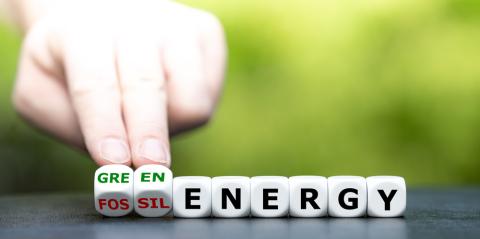
L-indipendenza enerġetika hija kruċjali għall-futur tal-Ewropa: jeħtieġ li l-UE tiżgura l-provvisti tal-enerġija tagħha malajr kemm jista’ jkun, ittemm id-dipendenza tagħha mill-gass Russu u taċċelera drastikament it-tranżizzjoni lejn enerġija nadifa. Dan huwa l-messaġġ ewlieni tal-Opinjoni “REPowerEU: Azzjoni Ewropea Konġunta għal enerġija aktar affordabbli, sikura u sostenibbli”, abbozzata minn Thomas Kattnig, Alena Mastantuono u Simo Tiainen, li ġiet adottata fis-sessjoni plenarja ta’ Mejju.
Il-KESE jappoġġja l-Komunikazzjoni tal-Kummissjoni Ewropea dwar “REPowerEU”, li ġiet approvata mill-Kulleġġ fl-istess ġurnata tal-Opinjoni, u jgħid li hija f’konformità mal-objettivi tal-Patt Ekoloġiku Ewropew u tal-Unjoni Ewropea tal-Enerġija. Barra minn hekk, il-proposta tistabbilixxi azzjonijiet ġodda biex tiżdied il-produzzjoni tal-enerġija ekoloġika, jiġu diversifikati l-provvisti u titnaqqas id-domanda għall-gass Russu, li wasslet għal żidiet sinifikanti fil-prezzijiet tas-suq tal-elettriku minħabba manipulazzjoni tas-suq.
Il-Kumitat iwissi wkoll li l-UE trid tkun partikolarment attenta meta tiġi biex tissostitwixxi l-gass Russu b’riżorsi oħra, u jeħtieġ li jitqies l-impatt tagħhom fuq l-ambjent u l-prospett li minflok’ issir tiddependi minn pajjiżi terzi li ma jikkondividux il-valuri Ewropej.
Is-sitwazzjoni ġeopolitika attwali kkawżata mill-invażjoni Russa tal-Ukrajna kompliet taggrava ’ż-żieda bla preċedent fil-prezzijiet tal-enerġija li ffaċċjat l-UE f’dawn l-aħħar xhur. Għalhekk, huwa estremament importanti li jittieħdu passi immedjati biex jittaffa l-impatt tal-prezzijiet għoljin għall-unitajiet domestiċi, il-bdiewa, in-negozji u l-industrija Ewropej. (mp)