
European Economic
and Social Committee
Is-Semestru Ewropew: Jeħtieġ li jiġi riformat sabiex jiżgura l-parteċipazzjoni effettiva tas-soċjetà ċivili organizzata, jitlob il-KESE
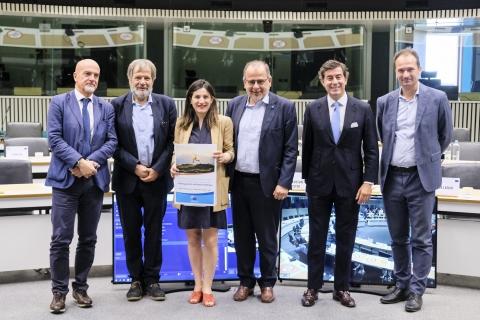
Waqt il-konferenza annwali tiegħu f’Ġunju, il-Grupp tas-Semestru Ewropew ġedded is-sejħa tiegħu għall-parteċipazzjoni tas-soċjetà ċivili u ppropona mekkaniżmu ta’ finanzjament tal-investiment permanenti u komuni biex jissaħħu t-tħejjija għall-kriżijiet u l-kapaċità ta’ rispons għalihom.
Il-konferenza serva ta’ segwitu għar-riżoluzzjoni tal-Kumitat reċenti sabiex tiddiskuti r-riforma tas-Semestru Ewropew, li ser ikun qed jissorvelja l-implimentazzjoni tal-pjanijiet nazzjonali għall-irkupru u r-reżiljenza. “Bl-isfidi ġodda li qed tiffaċċja l-UE, is-Semestru Ewropew irid jiġi aġġornat, imsaħħaħ u jinfetaħ għas-soċjetà ċivili organizzata Ewropea”, spjega l-viċi president tal-Grupp tas-Semestru Ewropew, Gonçalo Lobo Xavier.
Hi u tiftaħ il-konferenza, il-president tal-KESE, Christa Schweng tenniet il-ħsieb li “is-soċjetà ċivili għandha rwol kruċjali għall-Ewropa t’għada”, filwaqt li Elisa Ferreira, Kummissarju għall-Koeżjoni u r-Riformi, qalet, “Hekk kif naħsbu dwar kriżijiet futuri, jeħtieġ li naħsbu f’termini mhux ta’ għodda ewlenija waħda, iżda ta’ ħafna għodod u sett ta’ għodod maħżun tajjeb. Neħtieġu d-diversifikazzjoni.”
L-UE ser ikollha bżonn investimenti kbar ħafna fis-snin li ġejjin. Il-membri tal-panel iddiskutew jekk dawn il-pjanijiet ta’ rkupru għandhomx isiru strutturali u permanenti biex jiġi żgurat investiment komuni f’oqsma ewlenin. “L-Ewropa teħtieġ l-indipendenza enerġetika,” qal Javier Doz Orrit, president tal-Grupp tas-Semestru Ewropew, filwaqt li l-president tas-Sezzjoni għall-Unjoni Ekonomika u Monetarja (ECO), Stefano Palmieri, insista dwar il-ħtieġa li “tiġi assigurata trasformazzjoni strutturali tas-sistema”.
Luca Jahier, il-viċi president tal-Grupp tas-Semestru Ewropew, għalaq il-konferenza billi rrikonoxxa l-importanza tal-Faċilità għall-Irkupru u r-Reżiljenza u tal-pjanijiet nazzjonali għall-irkupru u r-reżiljenza. “B’dawn l-għodod, għamilna aktar f’dawn l-aħħar sentejn milli f’l-aħħar 20 sena”, huwa qal. “Issa jeħtieġ li niżguraw il-parteċipazzjoni tas-soċjetà ċivili organizzata, ninvestu aktar, u naċċelleraw it-tranżizzjoni.” (tk)