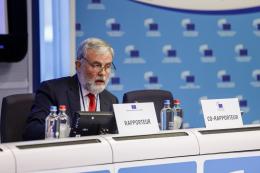
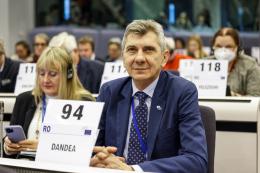
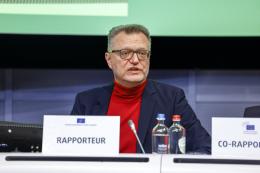
În cadrul dezbaterii organizate la Bruxelles de Comitetul Economic și Social European (CESE), participanții au subliniat importanța infrastructurii și a standardelor armonizate pentru conectarea UE cu țările învecinate, în special având în vedere peisajul geopolitic redefinit cauzat de războiul din Ucraina.
The EESC's External Relations Section held a debate during its section meeting dedicated to the situation of women in Latin America. The COVID-19 pandemic has exacerbated existing inequalities worsening the situation of women in the region. Participants in the debate called for legislative reforms to the social and employment system in order to eliminate gender inequalities. They also flagged up the role of civil society in the empowerment of women. The thematic discussion concluded the series of EESC events, following up on the European Parliament's Gender Equality Week initiative started in October 2022.
At its January plenary session, the EESC adopted an information report on the Implementation of the EU-UK Withdrawal Agreement, including the Protocol on Ireland and Northern Ireland. The report shows that UK organised civil society is strongly in favour of a deeper and more constructive relationship with their EU counterparts and the EU as a whole. This could contribute to the implementation of the Withdrawal Agreement and help maximise the potential of the EU-UK Trade Cooperation Agreement.
At its January plenary session, the European Economic and Social Committee (EESC) adopted an opinion welcoming the EU's new approach to Trade and Sustainable Development (TSD) as laid out in the recent Communication on "The power of trade partnerships". The EESC supports the Commission’s comprehensive review setting a new benchmark on TSD and considers the introduced elements as part of the package in all trade agreements – be it future ones, those under negotiation or applied to existing agreements as much as possible. However, the new TSD plan is not exempt from shortcomings, and the EESC regrets that no action is being taken to involve civil society more thoroughly during the negotiation process.
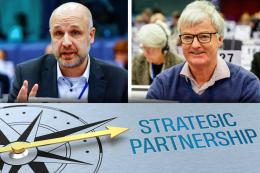
At its January plenary session, the EESC debated the EU's "Strategic Compass" vision for security and defence, pointing out that security should be understood broadly, far beyond military defence. Civilian and preventive security policy should complement military defence capabilities, with NATO being the EU's key security provider. Civil society should not be a bystander in security issues. In fact, as proven in the current war in Ukraine, it can have a stabilising role in times of crisis.
The European Commission's proposal for a comprehensive European care strategy that should guarantee to all Europeans the possibility of receiving high quality healthcare and care service throughout their lifetime has been met with approval by the EESC
Comitetul Economic și Social European (CESE) sprijină o guvernanță nouă și consolidată a oceanelor, solicitând o cooperare internațională sporită, prezervarea stării bune a mediului marin și protejarea stocurilor de pește împotriva pescuitului excesiv, având în vedere importanța lor vitală pentru comunitățile locale.
Într-un aviz adoptat în sesiunea plenară din ianuarie, Comitetul Economic și Social European (CESE) afirmă că nimeni nu ar trebui lăsat în urmă și că este esențial să se intensifice coordonarea politicilor fiscale naționale cu politica monetară a Băncii Centrale Europene.
Pentru a preveni munca forțată, Comitetul Economic și Social European (CESE) subliniază importanța cooperării internaționale și a ancorării instituționale a societății civile organizate în noua propunere a Comisiei, recomandând orientări pentru sprijinirea întreprinderilor, o bază de date specifică cu indicatori de risc și un sistem de evaluare comparativă.
This month at the EESC plenary: Swedish EU presidency, debates with EP President Roberta Metsola and EC Vice-President Marghrete Vestager - Web streamingAgenda