Sostenibilità alimentare

This page is also available in:

Il cibo è un elemento fondamentale della nostra vita e fa parte integrante della cultura europea. Tuttavia, gli alimenti che mangiamo, il modo in cui li produciamo e le quantità che vanno sprecate hanno ripercussioni considerevoli sulla salute umana, sulle risorse naturali e sulla società nel suo complesso:

  • I cittadini – e in particolare i bambini – sono sempre più in sovrappeso e soffrono di obesità a causa di regimi alimentari non sani.
  • Gli agricoltori e i lavoratori non riescono ad ottenere prezzi equi per i loro prodotti.
  • Un terzo degli alimenti va perduto o sprecato lungo la catena alimentare.
  • È l'ambiente che paga il conto di questa situazione, con gli effetti drammatici della produzione e del consumo di alimenti sui cambiamenti climatici, sulla perdita di biodiversità, sull'inquinamento atmosferico e idrico, sul degrado del suolo, ecc.

La crisi COVID-19 è un campanello d'allarme che ci esorta a un cambiamento. Essa ha mostrato che portare gli alimenti "dal produttore al consumatore" non è un processo scontato, e che esiste un'interconnessione tra attori e attività nell'intero sistema alimentare. Sono più che mai necessarie filiere di approvvigionamento eque, efficienti sotto il profilo delle risorse, inclusive e sostenibili in tutto il settore agricolo e alimentare, con pari vantaggi per i cittadini, gli agricoltori, i lavoratori e le imprese.

Il CESE è da anni in prima linea nell'invocare una politica alimentare sostenibile e completa. Tale approccio integrato e sistemico è essenziale per: affrontare le molteplici e interconnesse sfide che interessano i sistemi alimentari; realizzare una sostenibilità economica, ambientale e socioculturale; garantire l'integrazione e la coerenza in tutti i settori politici (quali l'agricoltura, l'ambiente, la sanità, l'istruzione, il commercio, l'economia, la tecnologia, ecc.) e promuovere la cooperazione tra tutti i livelli di governance.

  • In elaborazione (updated on 21/08/2026) - Bureau decision date: 14/07/2026
    Riferimento
    NAT/1000-EESC
    Plenary session number
    611
    -
  • This event will explore how sustainable food systems can advance the implementation of the Sustainable Development Goals (SDGs) in today’s geopolitical and environmental landscape. The meeting will focus on SDG 7 (Affordable and Clean Energy) and SDG 11 (Sustainable Cities and Communities), both under review at the 2026 UN High-level Political Forum on Sustainable Development (HLPF). 

  • The EU needs a long-term vision that takes greater account of geographic specificities. Sustainable water management and food security must become top priorities, with food security and biodiversity going hand in hand. 

  • Event in the framework of the Cyprus Presidency of the Council of the EU
    Event type
    Conference

    Watch the recording of the event.

  • Adottati on 18/03/2026 - Bureau decision date: 02/12/2025
    Riferimento
    NAT/977-EESC-2025
    Civil Society Organisations - GR III
    Austria
    Plenary session number
    604
    -
    • Record of proceedings NAT/977
    • Follow-up from the Commission NAT/977
    Download format:
    Download — Parere del CESE: Organic production rules – targeted amendment to Regulation 2018/848
  • This debate, hosted by the EESC, will feature a presentation by FAO of its recent report on the State of Food Security and Nutrition in the World 2025, including latest data and analysis, and updated estimates on the cost and affordability of healthy diets. 

  • Published in
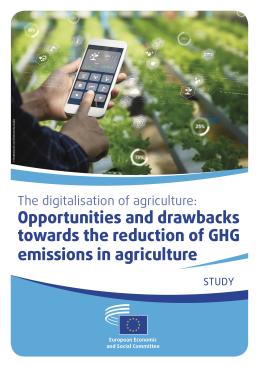
    Study
    70 pages

    Opportunities and drawbacks towards the reduction of GHG emissions in agriculture

    This study evaluates the environmental, social, and economic impacts of digitalisation based on a literature review and case studies in Estonia, Germany, Romania, and Spain

  • Published in
    Study
    82 pages

    Cultured meat (CM) is raising interest globally, including from multinational food companies, as an innovative technology to produce meat without farming animals. This completely different way of obtaining animal proteins is perceived as disruptive to the existing system. This study reviews the state of the art of research related to the potential impact of CM development on environmental, social and economic aspects of sustainability, highlighting important knowledge gaps. These gaps fuel polarised positions.

  • Adottati on 18/03/2026 - Bureau decision date: 15/07/2025
    Riferimento
    NAT/963-EESC-2025
    Employers - GR I
    France
    Plenary session number
    604
    -
    • Record of Proceedings NAT/963
    • Follow-up from the Commission NAT/963
    Download format:
    Download — Parere del CESE: Generational renewal strategy
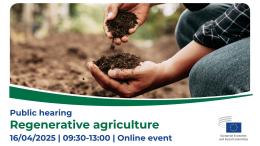
  • Event type
    Public hearing

    On 16 April 2025, the EESC will hold an online event on the role that regenerative agriculture can play in revitalising rural areas, improving soil health, and enhancing carbon sequestration to ensure long-term productivity and food security.