
European Economic
and Social Committee
The EU needs a real strategy for energy system integration, stresses EESC
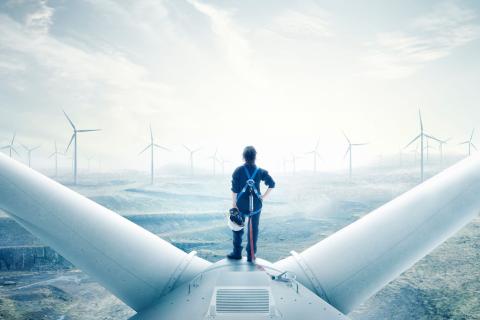
The European Economic and Social Committee (EESC) is throwing its support behind the Commission's strategy for an integrated energy system but warns that the issue of security of supply using green energy sources remains unsolved.
The electricity, heating and transport of the future should all be interconnected, with the ultimate goal of improving efficiency and achieving a climate-neutral economy. The EESC backs the European Commission's call for energy system integration and, in the opinion drafted by Lutz Ribbe and adopted at the January plenary session, points out that such a strategy could contribute to securing energy supply, reducing energy imports, and making affordable prices a reality for European consumers.
In the Committee's view, however, the European Commission fails to mention how the EU can achieve security of supply using low-carbon or carbon-free energy sources. Speaking on the sidelines of the plenary session, Mr Ribbe said that the energy transition in Europe can only be successful if all issues are dealt with. The Commission states that 84% of electricity demand will have to stem from renewable sources, but fails to detail the sources from which the remaining electricity is to be produced. This is clearly unacceptable. Security of supply is crucially important for the European economy and consumers, especially as electrification of the heat supply and the transport sector is expected to boost electricity demand, despite progress on efficiency
.
Focus on renewables and infrastructure modernisation
The EESC agrees with the Commission that the lack or inadequacy of CO2 emissions pricing in the heating and transport sector is a serious problem for the system's integration. On top of this, renewable sources are not always favoured over fossil fuels. In many Member States, heavy taxation on electricity and excessive network charges create market distortions. In these cases, the use of surplus electricity for the production of heat – the simplest form of system integration – is not economically viable. The Committee therefore urges the Commission to put forward concrete proposals for solutions, instead of just describing the problem and being somewhat hesitant and vague.
In addition, energy system integration requires the modernisation and upgrading of infrastructure in certain areas and – in some other cases – the construction of new ones. This means massive investment, which could have the positive effect of shaking the economy out of the COVID-19 pandemic recession and creating decent jobs. Key investment decisions need to be part of a comprehensive infrastructure plan and be geared towards supporting energy and climate policy aims. However, once again, the Commission is far too vague on this matter.
Energy system integration can bring about innovation
Energy system integration can also boost innovation in the European economy and thereby increase its international competitiveness. To this end, the EU needs to focus on digitalisation and artificial intelligence, which can be a potential game-changer in the demand-led supply of energy for the electricity, heat and transport sectors, but potential ethical problems have to be taken into account, particularly with regard to data sovereignty.
Energy markets have to be completely reconfigured and designed in such a way as to promote community energy and empower consumers. System integration will be much faster if consumers can exercise their rights, including as prosumers, self-producers and members of renewable energy communities, with the public sector playing a key role in security of supply. The active involvement of citizens is essential for energy system integration: citizens are not just consumers, but are also at the centre of the energy transition and should be able to contribute to shaping the implementation of the EU strategy.
Energy system integration – background
The EU strategy for energy system integration was set out by the European Commission in its communication of July 2020. The objective is to make energy system integration a reality by linking different energy carriers, infrastructure, and consumption sectors and, in so doing, increase efficiency, resilience and security, while reducing costs for society. The strategy includes 38 actions, which reflect the objectives of the European Green Deal. Their watchword is the principle of "energy efficiency first", which primarily means using local energy sources more effectively in buildings and communities.
Work organisation
Recommended for you
Az egészségügyi ágazatbeli közszolgáltatások közös létrehozása erősíteni fogja a demokrácia részvételi jellegét az EU-ban
News
Az Európai Gazdasági és Szociális Bizottság (EGSZB) és a Debreceni Egyetem által szervezett rendezvény rávilágított, mennyire fontos az általános érdekű szolgáltatások közös létrehozása az…
YEYS! 2023: A fiatalok átláthatóbb, digitalizált és egyszerűbb EU-t szeretnének
News
Március 23-án és 24-én az Európai Gazdasági és Szociális Bizottság (EGSZB) immár 14. alkalommal adott otthont a „Your Europe, Your Say!” (A Te Európád, a Te szavad! – YEYS!) című rendezvénynek. Erre…
Az EGSZB megnyitja a jelentkezést civil társadalmi díjára, melynek témája a mentális egészség
News
Civil társadalmi szervezetek, magánszemélyek és magánvállalkozások mostantól nevezhetik nonprofit projektjeiket az európai polgárok mentális jólétének támogatásának szentelt EGSZB-díjra. Az Európai…
Az EGSZB felhívása: 2024 júniusában szavazzunk egy egységes és demokratikus Európai Unióra!
News
A demokrácia világszerte hanyatlik, a növekvő infláció és a háború fenyegető veszélye közepette a dezinformáció térnyerése és egyre nagyobb elégedetlenség tapasztalható. Nagy tehát a tétje az új…
Az Európai Gazdasági és Szociális Bizottság készen áll arra, hogy együttműködjön az EU Tanácsának magyar elnökségével
News
Az Európai Gazdasági és Szociális Bizottság (EGSZB) júliusi plenáris ülésén Oliver Röpke EGSZB-elnök vitát tartott Bóka János európai uniós ügyekért felelős miniszterrel, aki ismertette az EU Tanácsa…