
European Economic
and Social Committee
La transition verte dans le transport par voie d’eau doit prendre en compte la santé des personnes
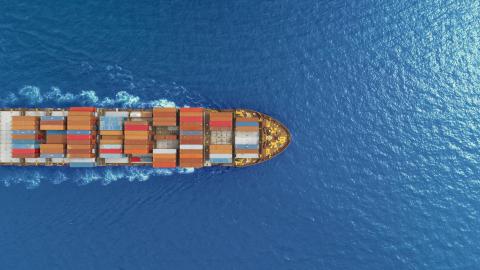
Le verdissement des transports maritimes et fluviaux doit impérativement prendre en compte la santé et la qualité de vie des populations vivant à proximité des axes de navigation ou des ports. Tel est le message principal de l’avis du CESE élaboré par Pierre Jean Coulon, qui a été adopté lors de la session plénière de février du Comité.
Dans ce document, le CESE aborde la dimension sociétale des questions liées au transport maritime au niveau local et régional en formulant des recommandations qui sont essentielles à la future valorisation de l’économie bleue, et en complétant les conclusions de deux autres avis qu’il a adoptés récemment: FuelEU Maritime (TEN/751) et NAIADES III (TEN/752).
S’exprimant en marge de la plénière, M. Coulon a déclaré: «Nous avons besoin d’une approche innovante et durable qui combine objectifs environnementaux et objectifs de santé. En matière de transport maritime, une coopération étroite avec toutes les parties prenantes du pôle maritime et de la chaîne d’approvisionnement est nécessaire pour atteindre cet objectif à terme. De même, une étroite coopération est nécessaire pour garantir les avantages évidents de la création de terminaux intermodaux, permettant le développement du transport par voies navigables dans les villes et contribuant à améliorer la qualité de vie.»
Le transport maritime représente environ 75 % du transport de marchandises dans l’UE. Il est donc extrêmement important de trouver un équilibre entre les aspects économiques, sociaux et environnementaux au moyen d’une approche intégrée. Les autorités portuaires, les collectivités territoriales et les acteurs du transport doivent travailler de concert pour repenser les liens entre la ville, les ports et les modes de transport.
Parmi les autres préoccupations qui doivent être abordées figurent la formation du personnel, les perspectives d’emploi, l’inégalité de traitement entre les hommes et les femmes et les changements profonds induits par la numérisation et l’automatisation du travail. (mp)