
European Economic
and Social Committee
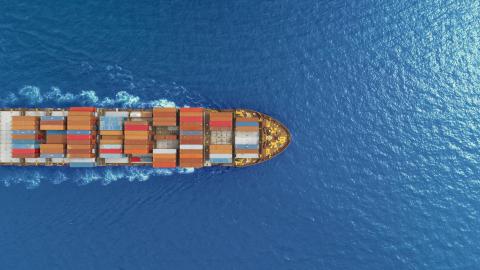
The greening of maritime and inland waterway transport must take into account the health and quality of life of those living and working near to navigation channels and ports. This is the main message of the EESC opinion drawn up by Pierre Jean Coulon and adopted at the Committee's February plenary session.
In the document, the EESC addresses the societal dimension of local and regional maritime transport issues, making recommendations that are key to the future enhancement of the blue economy, and complementing the conclusions of two other recently adopted opinions: FuelEU Maritime (TEN/751) and NAIADES III (TEN/752).
Speaking on the sidelines of the plenary, Mr Coulon said "we need an innovative and sustainable approach that combines green and health objectives. In maritime transport, close cooperation with all stakeholders in the cluster and supply chain is needed to reach the ultimate goal. Close cooperation is also needed to ensure the obvious benefits of creating intermodal terminals, allowing for the development of inland waterway transport in cities and contributing to a better quality of life".
Maritime transport makes up approximately 75% of EU freight transport. It is therefore extremely important to strike a balance between the economic, social and environmental aspects through an integrated approach. Port authorities and transport stakeholders should work together with local and regional authorities to rethink the links between cities, ports, and modes of transport.
Other concerns that need to be addressed are staff training, employment prospects, unequal treatment between men and women, and the profound changes brought about by job digitalisation and automation. (mp)