
European Economic
and Social Committee
Hélène Theunissen: "Artists who cannot create feel empty"
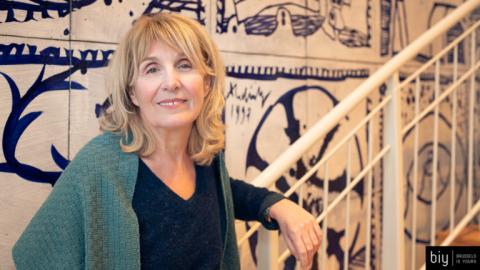
Artists are part of the collateral damage caused by the pandemic. Theatres are closed, though some have temporarily opened here and there. A great many actors, directors, musicians, dancers and performers in the entertainment sector find themselves without work in these unexpected circumstances. The main consequences are fear for the future and an enormous sense of frustration.
Artists who cannot create feel empty and useless.
Contrary to what some people think – that this period can be put to good use by reading, writing, revisiting current projects or working on new ones – the truth of the matter is that inspiration does not work to order. In a climate of insecurity and anxiety, artists are less likely to find inspiration. It is far from straightforward to make the most of this "compulsory" period that has been forced upon us: time has been suspended, through no choice of our own. Artists feel utterly defeated by the situation. And the longer it drags on, the more defeated they feel. This is the third time in a year that theatres have closed their doors and performances have been cancelled.
And then there are the financial consequences. Of course, furlough is a help, but these administrative measures are very time-consuming and complicated to get up and running. The money takes ages to arrive in people's bank accounts, and furlough only covers part of their wages. Many artists therefore find themselves in a precarious financial situation.
When it comes to rescheduling, theatre directors are overwhelmed and have to make difficult choices, postponing shows that have fallen victim to the health crisis to future seasons. New projects will be the last to be taken into consideration. There is a real bottleneck in theatres, the opera, the cinema and the world of events. The outlook is uncertain, something that generates anxiety.
Finding a way of being organised in the midst of this uncertainty is all but impossible.
To hear the media categorise us as "non-essential" to society is not only extremely insulting, but also raises profound questions for everyone working in the sphere of culture. I have dedicated my entire life to my profession: to hear that the state considers all this work as "non-essential" is painful and demoralising. Artists are therefore in a terrible predicament both financially and in terms of morale.
Becoming essential again
There is a bright side as well. There is lots of solidarity among artists. The new technologies have proven useful for some artists, enabling them to find new ways of expressing themselves. Artists have had to invent a new way of existing. Nothing will ever replace the actual presence of an artist on the stage, however. The thing that is so magnificent about a live performance is the unique and exceptional communion with the public in flesh and blood. The combined physical presence of the artist and the public is fundamental to creating that moment of artistic inspiration.
People are starting to miss culture, and that is also something positive. When the cultural venues open again, I think the public will be galvanised in a different way, as people will have realised just how vital culture is – and just how essential artists are for freedom and for our collective development. Hopefully, people will want to enjoy culture even more than before.
In our field, the crisis is complicated no matter what your age. The situation for young people is the most dramatic of all. At the moment, I am working at the Conservatoire with my students – trainee actors – without even seeing their faces. They are in the throes of immense despair and frustration. For the ones who have just graduated, there are no openings to offer them at the present time. They no longer have access to professional networks. They will need a great deal of support in the aftermath of this crisis.
But artists of all generations have been hard-hit by the shut-down. The more experience we have, the greater the desire to return to the stage. Those of us who are older are afraid that they will never be sought again. This period of dearth is ringing the death knell for their careers.
We are putting up as much of a fight as our personal energy levels allow. Some of us have simply collapsed and run out of inspiration. Others have twice as much energy and are doing their utmost to do something, anything. They are active on social networks and have turned to the new technologies, for example. And then there are those who, like me, are brimming with energy one day and completely depleted the next.
Hélène Theunissen