A new report on Europe’s progress toward the Sustainable Development Goals (SDGs) highlights a significant slowdown, raising concerns about the EU’s ability to meet the 2030 targets. The Europe Sustainable Development Report 2025 (ESDR), published by the UN Sustainable Development Solutions Network (SDSN), finds that the pace of SDG progress between 2020 and 2023 was more than twice as slow as in the previous period.
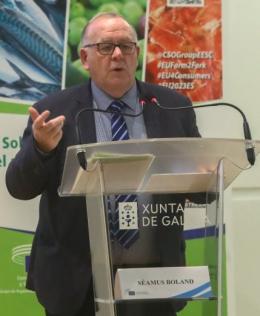
Fair prices for both farmers and consumers and truthful and transparent information are essential if the primary sector and consumers are to play their key role in guaranteeing strategic autonomy in European food production. This sovereignty must be in line with the European Green Deal's Farm to Fork strategy, which requires an adjustment of current food policies.
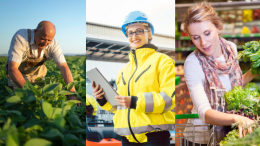
Renforcer la production et la transformation alimentaires au niveau local et régional au sein de l’UE et garantir des conditions de travail décentes pour tous les travailleurs de l’agriculture et du secteur alimentaire au sens large sont des objectifs importants sur la voie de l’amélioration de la durabilité de la chaîne d’approvisionnement alimentaire européenne. Pour aller dans le sens du développement durable, il y a également d’autres aspects essentiels: développer des pratiques commerciales internationales équitables, encourager davantage de femmes et de jeunes à travailler dans le secteur agricole, et favoriser la participation et le dialogue structurés des parties prenantes.
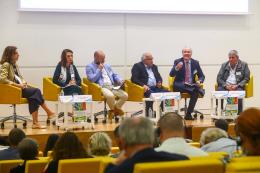
Extraordinary meeting of the Diversity Europe Group in the context of the Slovenian Presidency of the Council of the EU and the Conference on the Future of Europe on 29 November 2021