
European Economic
and Social Committee
Der belgische EU-Ratsvorsitz bittet den EWSA um Unterstützung bei seinen wichtigsten Prioritäten
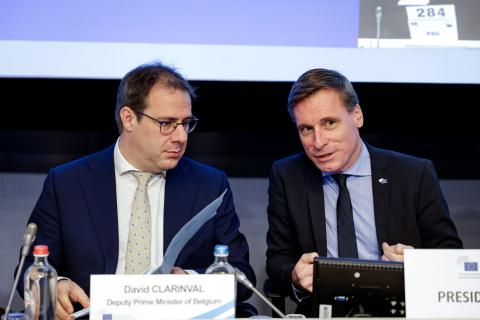
Wettbewerbsfähigkeit, KMU und soziale Inklusion stehen im Zentrum des Programms des belgischen Ratsvorsitzes. Der Europäische Wirtschafts- und Sozialausschuss (EWSA) unterbreitet politische Empfehlungen zum Verhältnis zwischen wirtschaftspolitischer Steuerung, langfristigem integrativem Wachstum und nachhaltiger Sicherheit sowie zum Einfluss der Sozialwirtschaft bei der Bekämpfung von Armut und sozialer Ausgrenzung.
Im ersten Halbjahr 2024 hat Belgien zum 13. Mal den Vorsitz im Rat der Europäischen Union inne. Die Prioritäten dieses Vorsitzes wurden in zwei Debatten auf der Januar-Plenartagung des EWSA erörtert.
EWSA-Präsident Oliver Röpke begrüßte es, dass der Ratsvorsitz die Sozialpartner in seine Arbeit einbezieht. Der belgische Vorsitz schließt den institutionellen Zyklus der EU, weshalb dem Land die Aufgabe zukommt, legislative Kompromisse zu gestalten und dem Rat der EU während des Wahlkampfs und der Wahlen zum Europäischen Parlament Orientierungshilfe zu gewähren.
Der stellvertretende belgische Ministerpräsident David Clarinval hat die Ansichten des Ratsvorsitzes zur Reform der Gemeinsamen Agrarpolitik, zum Schutz der Selbständigen und zur Industriepolitik der EU erläutert. Der Ratsvorsitz hat den EWSA um die Erarbeitung von 13 Sondierungsstellungnahmen ersucht, die in die Beratungen über die Strategische Agenda 2024–29 einfließen sollen. Der Schwerpunkt einer interinstitutionellen Erklärung im April wird auf der künftigen Sozialagenda der EU liegen. Zu den Prioritäten des Ratsvorsitzes gehören ein grüner und ein sozialer Wandel zur Bewältigung der Klima- und der Biodiversitätskrise. Der Fokus auf einer fairen Arbeitskräftemobilität und einem nachhaltigen Sozialschutz steht auch im Mittelpunkt des Dialogs des EWSA mit den Sozialpartnern. Weitere Schlüsselbereiche sind die Stärkung der europäischen Wettbewerbsfähigkeit, die Unterstützung der KMU und die Förderung einer ausgewogenen Handelspolitik für ein globales Europa. (tk)