
European Economic
and Social Committee
Un fondo di adeguamento ai cambiamenti climatici per garantire una risposta rapida alle crisi
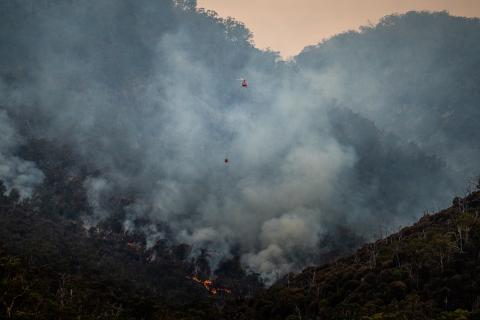
In un parere d'iniziativa, il CESE propone di creare un fondo di adeguamento ai cambiamenti climatici (climate adjustment fund, CAF) per garantire una risposta rapida alle nuove crisi climatiche ed energetiche. Il CAF integrerebbe le attuali politiche dell'UE e garantirebbe un uso più efficace dei finanziamenti esistenti.
Ad esempio, pur avendo fornito un sostegno straordinario agli Stati membri dal 2002, il Fondo di solidarietà dell'UE, con un bilancio annuale di 500 milioni di EUR, non è stato sufficiente a coprire i costi dei danni causati dalle catastrofi naturali nel 2021. Secondo le stime, le inondazioni nella sola Europa occidentale hanno causato danni per 38 miliardi di EUR.
Il relatore Ioannis Vardakastanis dichiara: "La nostra visione per un CAF consiste nel garantire un solido meccanismo di finanziamento che utilizzi i fondi UE esistenti per rispondere rapidamente alle emergenze e contribuire a ricostruire le comunità danneggiate. Si tratta di una soluzione molto ambiziosa per ricostruire e proteggere le zone colpite dalle pressanti crisi climatiche, energetiche e ambientali".
Inoltre, l'attuale crisi energetica non era all'orizzonte al momento dell'elaborazione del bilancio del quadro finanziario pluriennale dell'UE per il periodo 2021-2027 e del piano per la ripresa NextGenerationEU. Rispetto ai meccanismi esistenti, il CAF risponderebbe più efficacemente alla necessità di investimenti urgenti nelle fonti di energia alternative. Ciò è particolarmente importante in questo momento, dato che molte persone non sono in grado di pagare le bollette del gas o dell'elettricità.
"Non siamo preparati adeguatamente a rispondere alle emergenze e alle catastrofi dovute ai cambiamenti climatici e alla crisi energetica, né in termini di volume di fondi né di tempestività", afferma Judith Vorbach, correlatrice del parere. "L'istituzione di un fondo di adeguamento ai cambiamenti climatici sarebbe uno strumento importante per porre rimedio a queste carenze". (tk)