
European Economic
and Social Committee
Un fondo de adaptación al cambio climático para garantizar una respuesta rápida a las crisis
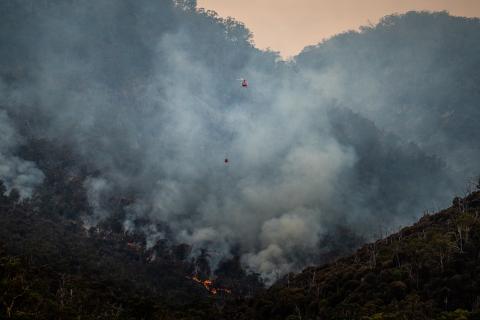
En un Dictamen de iniciativa el CESE propone la creación de un fondo de adaptación al cambio climático para garantizar una respuesta rápida a las nuevas crisis climáticas y energéticas. Este fondo contribuiría a complementar las políticas existentes de la UE y a asegurar un uso más eficaz de la financiación existente.
Por ejemplo, aunque ha prestado un apoyo impresionante a los Estados miembros desde 2002, el Fondo de Solidaridad de la UE, con su presupuesto anual de 500 millones EUR, no alcanza a cubrir los costes de los daños causados por las catástrofes naturales en 2021. Se estima que, en Europa occidental, solo las inundaciones causaron daños por valor de 38 mil millones EUR.
El ponente, Ioannis Vardakastanis, afirma: «Nuestra visión es que el Fondo sirva para garantizar un mecanismo de financiación sólido que utilice los fondos de la UE existentes para responder rápidamente a las emergencias y ayudar a reconstruir las comunidades afectadas. Se trata de un mecanismo muy ambicioso que permitirá reconstruir y proteger las zonas afectadas por las apremiantes crisis climáticas, energéticas y medioambientales».
Además, la actual crisis energética todavía no podía vislumbrarse cuando se elaboraron el presupuesto del marco financiero plurianual de la UE para el período 2021-2027 y el plan de recuperación NextGenerationEU. El fondo permitiría responder a la necesidad de invertir urgentemente en fuentes de energía alternativas de manera más eficaz que a través de los mecanismos existentes. Esto es especialmente pertinente en la actualidad, ya que muchas personas no pueden pagar sus facturas de gas o de electricidad.
«No estamos adecuadamente preparados para responder a las emergencias y catástrofes debidas al cambio climático y a la crisis energética, ni en términos de volumen de fondos ni de oportunidad», destaca Judith Vorbach, coponente del Dictamen. «La creación de un fondo de adaptación al cambio climático sería una herramienta importante para dar respuesta a este problema». (tk)