The European Economic and Social Committee (EESC) is the voice of organised civil society in Europe.

It represents employers, workers and civil society organisations. The expertise of its 329 members helps optimise the quality of EU policies and legislation.


SEARCHING FOR SOMETHING IN PARTICULAR?

Do you need more filters for your search? Visit the advanced search page

OPINIONS IN THE SPOTLIGHT

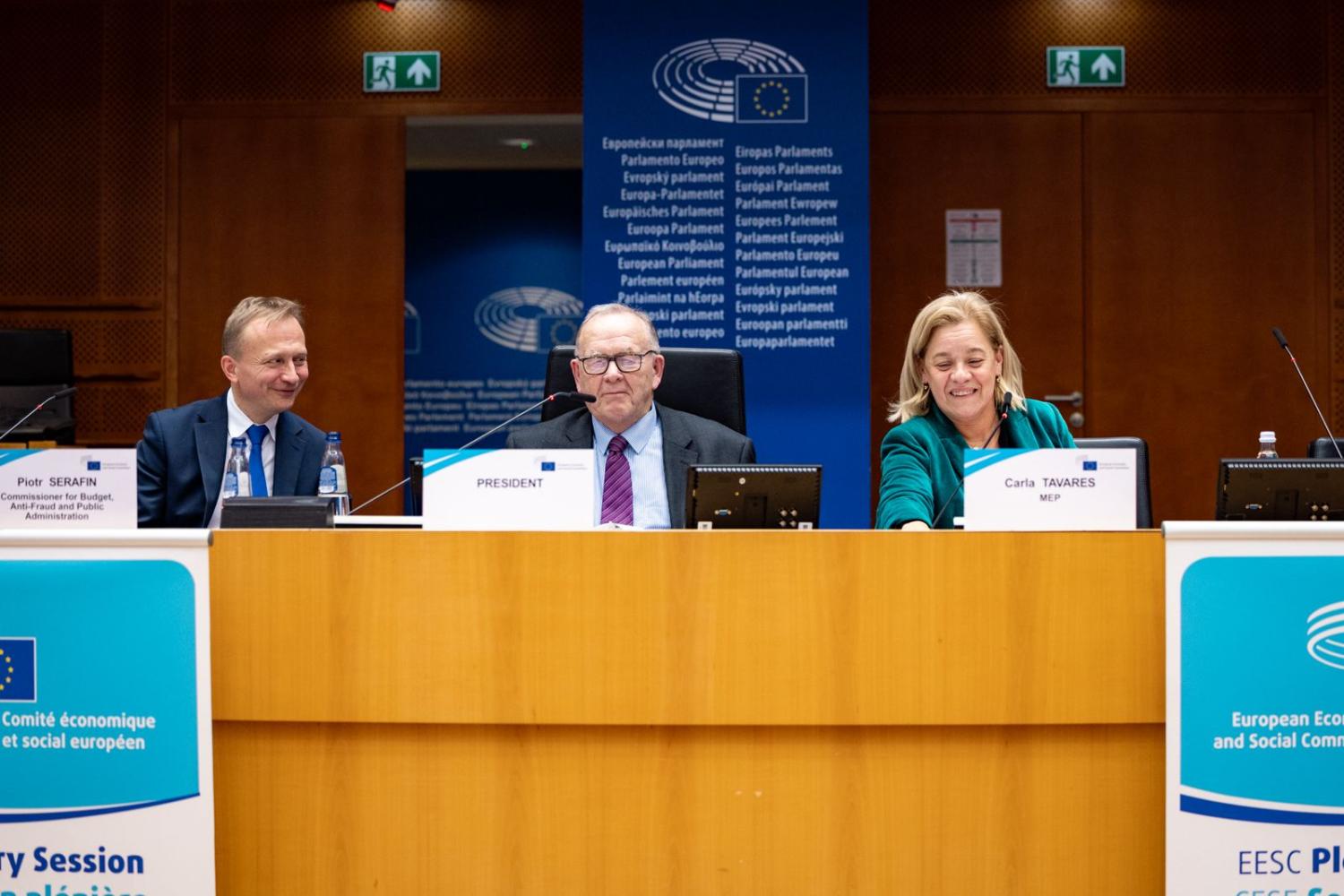
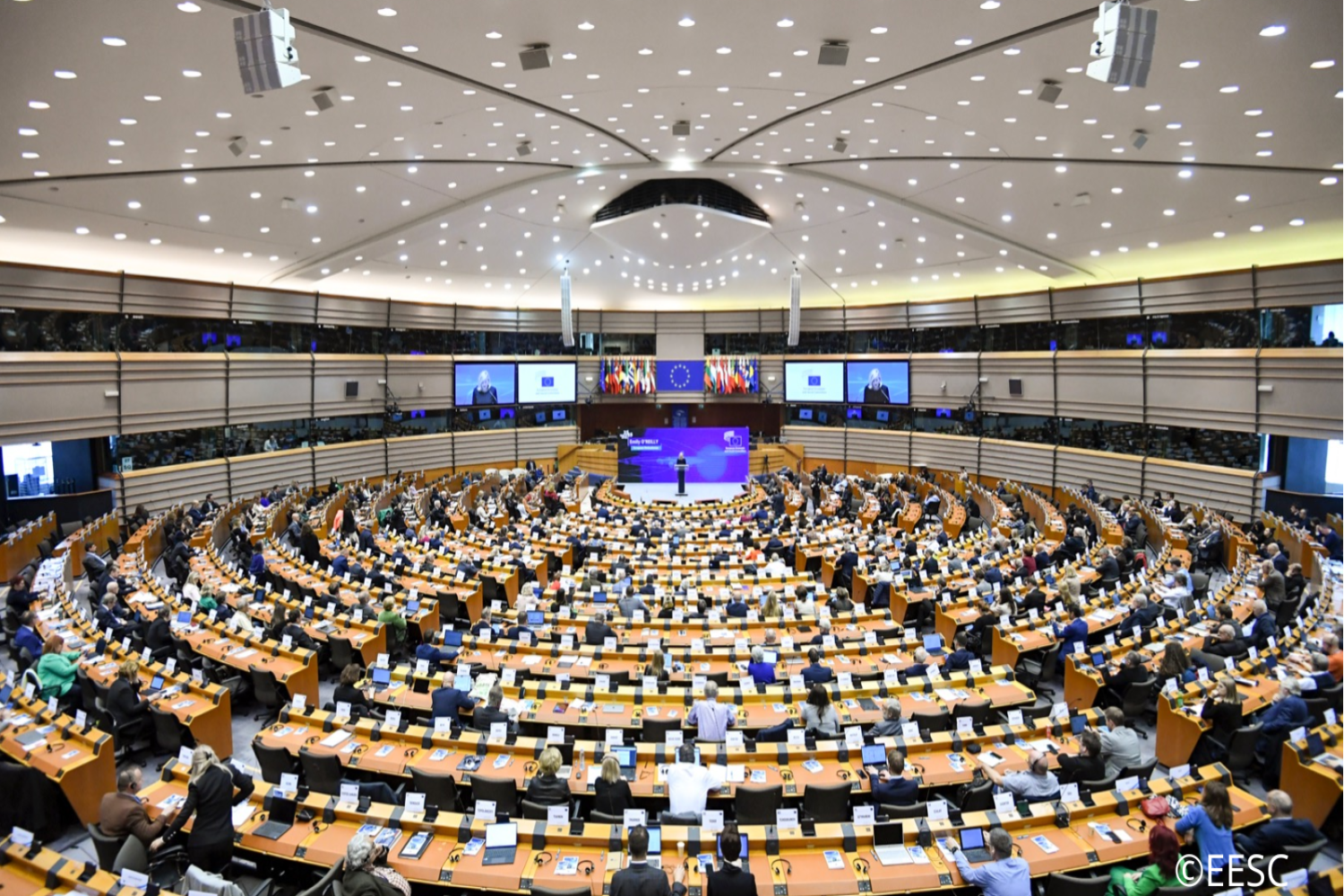
PLENARY SESSIONS

Current plenary session

Previous plenary session
Next events

Upcoming events

  • >

GROUPS

EESC Members work in 3 groups representing Employers (Group I),
Workers (Group II) and Civil Society Organisations (Group III).

SECTIONS

The EESC has six specialised sections and a Consultative Commission on Industrial Change. More about the sections and the CCMI

ACCESS EESC DOCUMENTS

EESC INFO NEWSLETTER

  • In this issue:

    • Stoyan Tchoukanov and Samira Ben Ali – EESC delegation at COP30


      Focus on Affordable Housing:

    • Decisive political action can solve the housing crisis –John Comer and Thomas Kattnig, EESC
    • Europe is running out of affordable homes – Diana Yordanova, Housing Europe
    • Excessive rents are pushing people into poverty – Barbara Steenbergen, International Union of Tenants
    • A roof over every student's head – Duarte Lopes, European Students' Union
  • Dans ce numéro:

    • Séamus Boland, nouveau président du CESE: Tous ensemble, plaçons la société civile au cœur de l’Europe
    • Les nouvelles vice-présidentes Alena Mastantuono et Marija Hanževački présentent les priorités du CESE pour le nouveau mandat

    Mettre l’accent sur la pauvreté:

    • Maria Walsh, députée au Parlement européen, évoque la précarité menstruelle
    • Éradication de la pauvreté: promesse ou programme? — par le réseau européen de lutte contre la pauvreté (EAPN)
    • Lutter contre la pauvreté infantile: un impératif dicté par les droits humains — par Eurochild