La creazione di partenariati con i paesi di origine e di transito al fine di attirare i talenti è un elemento strategico cruciale per gestire la migrazione. L'Europa deve spostare l'asse su cui è imperniata la dimensione esterna della politica migratoria, facendo in modo che questa rientri in un'agenda geopolitica e geoeconomica di respiro più ampio, che trovi il posto che le compete tra le altre politiche. In caso contrario, il nuovo patto sulla migrazione e l'asilo sarà troppo debole per far fronte all'aumento dei flussi migratori.
The Commission's initiatives on a European child guarantee and an EU Strategy on the rights of the child call on European and national policy-makers to work toward the common good of all children growing up in the EU. Ambitious and bold in their approach to ensuring a life free from any discrimination for each and every child, both initiatives have won the EESC's approval.
Rapidly developed to cushion the severe effects the pandemic was expected to have on businesses and workers, SURE has helped Member States to protect employment and keep EU economies afloat. With an evaluation of the scheme underway, there is an ongoing debate as to whether SURE should be here to stay as an ad hoc system of protection to help prevent job losses and provide income support during future serious crises
Uno studio di Deloitteevidenzia che gli europeiesprimonoparericontrastantiriguardoallanuovatecnologia 5G. Servonoquindiulterioriricerche su questotema, e il Comitatoeconomico e socialeeuropeo (CESE) ha dedicato un dibattitoallepreoccupazionidelleorganizzazionidellasocietàcivile.
The European Economic and Social Committee (EESC) welcomes the proposed EU Action Plan on Synergies between the civil, defence and space industries. The Action plan can enhance Europe's strategic autonomy and technological sovereignty, improve the security of citizens and boost competitiveness, economic growth and employment. Therefore, the EESC calls for rapid, forceful and ambitious implementation of the11 actions set out in the Plan.
The new trade strategy launched by the Commission in February brings engaging principles to the table that will support the EU in achieving its domestic and external policy objectives. The European Economic and Social Committee (EESC) welcomes this trade strategy as a way of improving market access and levelling the playing field. Alongside this, the modernisation of the World Trade Organization (WTO) will be the key to delivering for future generations.
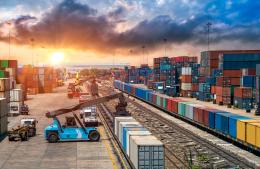
Il Comitatoeconomico e socialeeuropeo (CESE) osserva che il trasporto e la logisticamultimodaliefficienti e sostenibilipossonodiventarerealtà solo se si affrontano i problemi che li rendonopiùcostosi, piùlenti e menoaffidabilirispetto al trasportounimodale su strada.
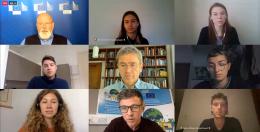
The European Economic and Social Committee (EESC) opinion on structured youth engagement on climate and sustainability in the EU decision-making process is gaining momentum. When adopted in September 2020, it proposed, among other recommendations, the establishment of a Youth Climate and Sustainability Round Table, to be hosted by the EESC in conjunction with the European Commission, European Parliament and youth organisations.
According to the EESC, the Commission's Action Plan on the European Pillar of Social Rights is both timely and necessary to thwart the threat of inequalities deepening across Europe in the aftermath of the pandemic.
Il Comitato economico e sociale europeo (CESE) saluta la nuova strategia dell'UE per i diritti delle persone con disabilità come un passo avanti verso l'attuazione della convenzione ONU sui diritti di queste persone (UNCRPD). Il CESE si compiace del fatto che tale strategia abbia recepito molte delle proposte avanzate dal CESE stesso, dal movimento europeo delle persone con disabilità e dalla società civile, ad esempio per quanto attiene alla piena armonizzazione della nuova agenda e a un migliore monitoraggio a livello UE della sua applicazione, ma esprime preoccupazione per l'attenuarsi delle misure obbligatorie e della normativa vincolante ai fini della fase attuativa.