Dans cet aperçu, le Comité économique et social européen (CESE) présente ses avissur les propositions de la Commission européenne pour le Cadre financier pluriannuel (CFP) 2028-2034, en rassemblant les points de vue de la société civile organisée sur l’orientation future du budget de l’UE.
Greater use of digitalisation in the construction and housing industry and the involvement of social economy actors in housing provision can bring opportunities to address current challenges in the area of housing affordability and sustainability in Europe. Since housing is not just a need but a human right, a pan-European response to the various challenges is needed, according to a conference organised by the Civil Society Organisations’ Group of the European Economic and Social Committee (EESC) on 21 November, at which a new EESC study on the subject was presented.
Le 20 février 2024 à Bruxelles, le CESE a organisé une conférence sur la crise du logement en Europe. Cette publication présente l'évaluation des participants sur la situation actuelle et leurs recommandations sur la manière de faire face à la crise actuelle du logement.
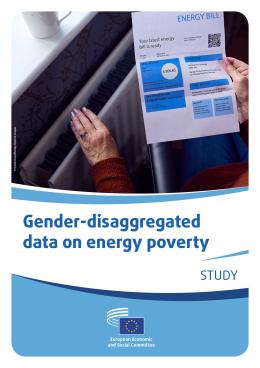
La précarité énergétique a été projetée au premier plan du débat social et politique par les récents chocs économiques dus à la pandémie de COVID-19 et par la crise énergétique qui a touché l’Europe à la suite de l’invasion de l’Ukraine par la Russie. Si les politiques européennes s’attaquent de plus en plus à la précarité énergétique, les questions d’égalité entre les hommes et les femmes sont encore délaissées.