The new head of the EESC is a convinced European with EU experience spanning two decades and considerable expertise in social matters, who firmly believes that the EU's civil society has the power to contribute to Europe's post-COVID-19 recovery and future resilience.
Uniti per il futuro dell'Europa: la nuova Presidente è determinata a ricostruire l'unità e la reputazione del CESE e a dimostrare il suo valore aggiunto per influenzare la definizione delle politiche a livello UE
Funzionaria CGIL, fa parte del gruppo dei lavoratori
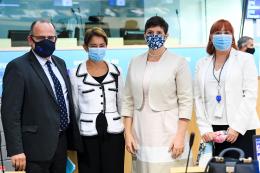
Giulia Barbucci, consigliera del Comitato economico e sociale europeo dal 2015, è stata eletta vicepresidente dall'assemblea plenaria. Si impegna a garantire una gestione del budget moderata e trasparente. Le sue principali battaglie riguardano l'equilibrio di genere e la protezione dei lavoratori.
The new Group presidents have been elected following the vote held on the first day of the inaugural plenary session of the European Economic and Social Committee (EESC) and will serve for the 2020-2023 period of the coming term of office.
The European Economic and Social Committee (EESC) takes careful note of the European Parliament's vote not to grant the 2018 budget discharge and, whilst regretting the situation that led to this refusal, reiterates its firm commitment to fighting harassment and misconduct in the workplace.
Il Comitato economico e sociale europeo (CESE) ha adottato il parere Salari minimi dignitosi in tutta Europa a seguito della richiesta del Parlamento europeo di elaborare un parere esplorativo. Tale richiesta è stata presentata dopo che la Commissione aveva annunciato che stava valutando la possibilità di proporre uno strumento giuridico per garantire il diritto di ogni lavoratore dell'UE a un salario minimo che consenta un tenore di vita dignitoso.
Le candidature al Premio, che verrà assegnato a un progetto per ciascuno Stato membro dell'UE e per il Regno Unito, potranno essere presentate fino al 30 settembre
Il 17 settembre, durante l'ultima sessione plenaria prima del rinnovo dell'istituzione in ottobre, il Comitato economico e sociale europeo (CESE) ha tenuto la sua cerimonia di fine mandato. Luca Jahier, Presidente del CESE dall'aprile 2018, ha voluto esprimere la sua gratitudine a tutti i membri e ha sottolineato l'importante contributo che le organizzazioni della società civile rappresentate al CESE apportano al progetto europeo.
I consigli economici e sociali (CES) saranno un asse portante della partecipazione democratica alla conferenza sul futuro dell'Europa, senza la quale ogni tentativo di riforma sarà destinato al fallimento: è questo il filo conduttore degli interventi pronunciati da alcune personalità di primo piano della scena francese ed europea in occasione di una videoconferenza svoltasi lo scorso 9 settembre tra Parigi e Bruxelles.