The names of the finalists for the 2024 EU Organic Awards have been revealed today. For each of the eight categories, the top three projects have been selected, representing 24 finalists from 12 EU countries. The winners of the eight awards will be unveiled at the official ceremony in Brussels on 23 September, as part of a series of events and activities celebrating the annual EU Organic Day.
The European Union’s upcoming enlargement is poised to be a transformative event. It faces pressing global challenges, such as a new geopolitical environment, climate change and the just transitions in energy and environmental policies. The European Economic and Social Committee (EESC) calls for meticulous preparation on both sides and for adherence to EU values as new members join.
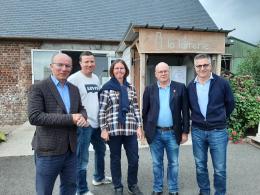
Une réunion extraordinaire du Bureau de la NAT a eu lieu en France, à Rouen, les 8 et 9 septembre 2022, à l'initiative de M. Arnold Puech d'Alissac (membre du Groupe des employeurs). L'objectif était d'explorer l'approche française en matière d'agriculture du carbone faisant suite à l'avis du CESE sur les cycles durables du carbone, ainsi que les atouts agricoles de la région Normandie.
Renforcer la production et la transformation alimentaires au niveau local et régional au sein de l’UE et garantir des conditions de travail décentes pour tous les travailleurs de l’agriculture et du secteur alimentaire au sens large sont des objectifs importants sur la voie de l’amélioration de la durabilité de la chaîne d’approvisionnement alimentaire européenne. Pour aller dans le sens du développement durable, il y a également d’autres aspects essentiels: développer des pratiques commerciales internationales équitables, encourager davantage de femmes et de jeunes à travailler dans le secteur agricole, et favoriser la participation et le dialogue structurés des parties prenantes.
Extraordinary meeting of the Diversity Europe Group in the context of the Slovenian Presidency of the Council of the EU and the Conference on the Future of Europe on 29 November 2021
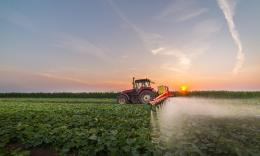
En ce qui concerne l’utilisation des produits phytopharmaceutiques (PPP / pesticides) et d’autres substances chimiques dans l’agriculture, l’Union européenne s’est dotée de réglementations comptant parmi les plus strictes au monde. Toutefois, des améliorations sont encore possibles pour parvenir à une plus grande convergence réglementaire en vue de réduire les risques liés à l’utilisation des PPP et de garantir la fourniture d’aliments sains et sûrs à une population mondiale en augmentation constante.
The NAT section invited the two winners of the COPA COGECA 2021 Innovation Award for Women Farmers to join its Section meeting of 15 April 2021 to bring practical and innovative ideas in their debates.
Le Comité économique et social européen (CESE) a adopté lors de sa session plénière en septembre son avis intitulé «Une stratégie alimentaire durable “de la ferme à la table”», relatif à la communication de la Commission européenne sur «Une stratégie “De la ferme à la table” pour un système alimentaire équitable, sain et respectueux de l’environnement». S’inscrivant pleinement dans le cadre du pacte vert pour l’Europe, cette stratégie est la première de l’Union européenne qui entende englober l’intégralité de la chaîne alimentaire.
Débat public au sein de la section ECO sur «Le cadre financier pluriannuel après 2027: évaluation des progrès et des défis à relever». Cet événement permettra de faire le point sur l'évolution des négociations depuis la présentation par la Commission de ses propositions pour le prochain cadre financier pluriannuel et d'aborder les défis en suspens.
This public hearing will feed into the works on the own-initiative opinion which aims to clearly define social farming as an innovation in agriculture, highlighting its social impacts and to identify barriers to its development - such as legislative frameworks, recognition of services, financing, insurance, quality and safety, capacities and competences.