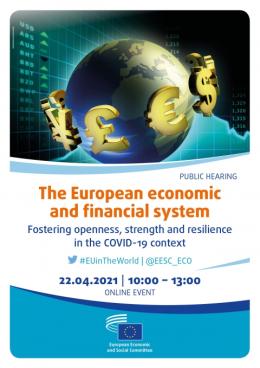
The COVID-19 pandemic has caused a slowdown in the activity of many economic sectors and, at the same time, is giving rise to a significant shift in the global balance of power. In this context, the EU is looking for an appropriate strategy to strengthen its role as a global economic player, with policies aimed at boosting the international role of the euro, strengthening the resilience of EU financial market infrastructures and improving the implementation of sanctions imposed on third countries.
Europe and the world have to prepare for the unavoidable impacts of climate change. COVID-19 has made things more difficult, but it has also created an unprecedented opportunity: to use the EU recovery funds to revitalise the economy and at the same time ensure that the EU becomes climate-resilient and fully adapted, while achieving climate-neutrality.
La digitalizzazione è fondamentale per consentire ai cittadinidell'UE di contribuire, con le loroconoscenze e competenze, ai servizi di interessegenerale, ma questoprocessodeveessereinclusivo, come emerge da un seminario online organizzato dal Comitatoeconomico e socialeeuropeo (CESE).
Il nuovo piano europeo di lotta contro il cancro, ambizioso e olistico, ha ottenuto il plauso delle organizzazioni del settore e della società civile. Ora, poiché la pandemia sta avendo pesanti ripercussioni sulla diagnosi e la cura del cancro, il piano deve essere attuato con urgenza e in modo adeguato. La posta in gioco è altissima: senza un'azione decisiva, l'Europa potrebbe trovarsi di fronte a un vero e proprio tsunami oncologico, con il quale, in poco meno di 15 anni, il cancro diventerebbe la principale causa di morte.
The European Economic and Social Committee (EESC) hosted on 12 April the 7th meeting of the EU-Korea Civil Society Forum, an online event that gathered civil society representatives to discuss on labour-related issues, including working hours, civil dialogue and the state of play of the implementation of international standards and conventions (ILO). Participants also celebrated the 10th anniversary of the implementation of the EU-Korea Free Trade Agreement (FTA).
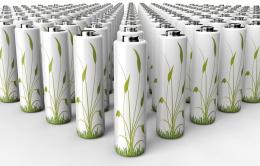
At its March plenary session, the European Economic and Social Committee (EESC) adopted an opinion drawn up by the Consultative Commission on Industrial Change (CCMI) which proposes more precise and operational governance arrangements and instruments for the implementation of the new battery regulation, with involvement of all stakeholders, as this could contribute to developing a Union framework covering the entire battery life cycle in the EU.
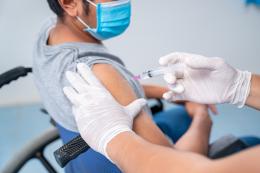
Confrontate a tante barriere e con minori possibilità di mantenere la distanza sociale e fisica, le persone con disabilità sono più esposte al rischio di contrarre la COVID-19 e di sviluppare una forma grave della malattia. Tuttavia, nell'UE non sono state esplicitamente incluse nei gruppi prioritari per la vaccinazione.
COVID-19 has blatantly exposed all the cracks and fissures in the European health systems and shown the EU to be unprepared for dealing with major health emergencies. But the first building blocks of the future European Health Union, recently proposed by the Commission, look promising and may give the EU the right weapons to fight pandemics in the future
At its March plenary session, the European Economic and Social Committee (EESC) adopted an opinion issued by the Consultative Commission on Industrial Change (CCMI) which proposes supporting investment in the exploration and extraction of critical raw materials, as well as in the use of secondary materials from wastes, as this is essential to the green transition in the EU.
I primi periodi di confinamento indotto dalla COVID-19 hanno visto il numero di telelavoratori passare dal 5 % al 40 % sul totale dei lavoratori dell'UE. A un anno di distanza, e con il telelavoro destinato a diventare strutturale, è ancora difficile fornire una valutazione adeguata dell'impatto che esso ha sui datori di lavoro, sui lavoratori e sulla società nel suo complesso. Il CESE sottolinea la necessità di effettuare ulteriori ricerche e di inquadrare la questione in una prospettiva a lungo termine, al fine di sfruttare i vantaggi e di attenuare i rischi di questa forma di lavoro.