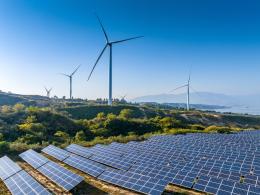
Nel corso di un convegno svoltosi in Estonia è stato sottolineato che l'idrogeno a basso tenore di carbonio è una componente essenziale della transizione energetica, e può rendere possibile tale transizione se ci sono le infrastrutture e i finanziamenti per svilupparne il potenziale.
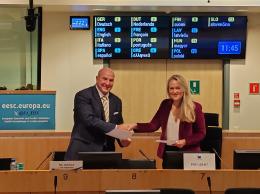
In una dichiarazione comune firmata il 14 novembre 2024, Baiba Miltoviča, presidente della sezione Trasporti, energia, infrastrutture e società dell'informazione (TEN) del CESE, e Andres Jaadla, relatore del parere del CdR sul tema degli alloggi, esortano le istituzioni europee ad adottare con urgenza delle misure per far uscire l'Unione europea dall'attuale crisi degli alloggi. Accolgono inoltre con favore la nomina di un commissario europeo per l'Energia e l'edilizia abitativa, che avrà il compito di presentare il primo piano europeo per alloggi a prezzi accessibili.
The European Economic and Social Committee (EESC) calls on the EU to champion an innovative, sustainable, and circular bioeconomy model that aligns with the European Green Deal and climate goals. In its recent opinion, Aligning the circular economy and the bioeconomy at the EU and national level,adopted at the October plenary, the EESC outlines how a strong bioeconomy strategy can amplify Europe’s economic and ecological benefits, strengthen resilience, and support a fair transition for all.
The European Economic and Social Committee (EESC) has adopted an opinion that aims to safeguard citizens' fundamental rights in the midst of the implementation of AI technology in public services.
The European Economic and Social Committee (EESC) fully supports the objectives of the European Green Deal. However, it urgently calls for attention to be paid to the negative aspects of the deal, which have affected employment and EU competitiveness.
The European Economic and Social Committee (EESC) has laid out a bold vision for transforming the EU's agriculture, fisheries, and food systems to better withstand crises while ensuring sustainability. The opinion "Fostering sustainable and resilient food systems in times of crisis," requested by the Hungarian presidency, was adopted at the October plenary.
The European Economic and Social Committee (EESC) supports efforts to develop a more human-centred and future-proof industrial ecosystem. At the same time, it calls for an in-depth debate on Industry 5.0 and its social and economic implications.
Recycling and the recovery of strategic raw materials from waste should be stepped up, says the European Economic and Social Committee (EESC). This would reduce the waste going to landfill, but would also help the EU to lessen its dependence on third countries for raw materials.
In two new opinions adopted at its October plenary session, the European Economic and Social Committee (EESC) calls for key reforms to strengthen the competitiveness of the EU economy, based on sustainable growth and a balanced fiscal approach to supporting green and digital investments. The EESC underlines the key role of NextGenerationEU, the EU’s COVID-19 recovery instrument, and calls for similar instruments to be included in the new long-term EU budget.
Un parere adottato dal CESE nella plenaria di ottobre sottolinea che le comunità locali, in particolare quelle vicine a impianti nucleari, e le organizzazioni nazionali della società civile dovrebbero avere voce in capitolo e ricevere il sostegno necessario a questo scopo. L'onere del trattamento dei rifiuti nucleari non può essere lasciato alle generazioni future; e, ove possibile, andrebbero utilizzate tecniche di riciclo di tali rifiuti.