
European Economic
and Social Committee
EΕSC urges the EU to lead with a coherent and sustainable bioeconomy
The European Economic and Social Committee (EESC) calls on the EU to champion an innovative, sustainable, and circular bioeconomy model that aligns with the European Green Deal and climate goals. In its recent opinion, Aligning the circular economy and the bioeconomy at the EU and national level, adopted at the October plenary, the EESC outlines how a strong bioeconomy strategy can amplify Europe’s economic and ecological benefits, strengthen resilience, and support a fair transition for all. With strategic investments in cross-sector collaboration and community engagement, the EU’s bioeconomy can become a global model of sustainable growth that respects ecological boundaries.
A sustainable bioeconomy requires alignment with existing EU frameworks, particularly the European Green Deal, circular economy commitments, and biodiversity goals. This synergy ensures that a bio-based economy contributes directly to climate and biodiversity targets while remaining within planetary boundaries.
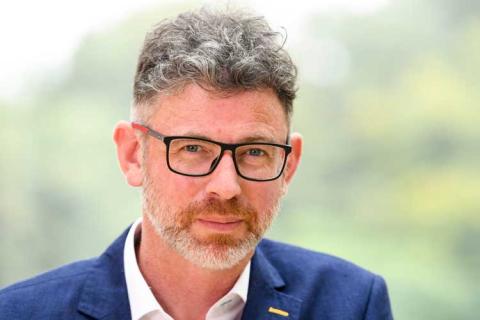
'A comprehensive, ambitious bioeconomy strategy is essential. Aligning with the circular economy and sustainable development goals, the bioeconomy can foster a competitive edge for the EU by creating sustainable, well-paid jobs and ensuring growth that respects ecological limits. This strategy should also prioritize a clearly defined bioeconomy framework that integrates sustainability, circularity, and innovation', said the rapporteur of the opinion Cillian Lohan.
The bioeconomy can build on the success of circular economy initiatives. It can apply circular principles, such as resource cascading, to reduce waste and improve efficiency. This approach promotes circular design and the recirculation of biological materials, enhancing the sustainability of bio-based products.
A strong bioeconomy should offer significant social benefits, especially in rural and remote areas. By focusing on sustainable job opportunities, well-paid job opportunities and skill-building programmes, the bioeconomy can revitalize rural areas and strengthen economic resilience of local communities. A comprehensive strategy is needed to support rural communities and provide funding for youth to participate in this growing sector.
Establishing a platform for young people in the bioeconomy sector will foster inclusive decision-making. Bioeconomy education in schools can help build a knowledgeable workforce and raise awareness of sustainability from an early age.
The bioeconomy also impacts community health and well-being. It can reduce healthcare costs and improve overall health. Research is essential to highlight the social benefits of bioeconomy practices and address potential challenges.
Innovation in technology and sustainable land use is key to driving the shift towards a circular, bio-based economy. Technological advances are crucial for creating bio-based alternatives to fossil fuels, while sustainable land management ensures that bioeconomy activities protect soil health and biodiversity. Nature-based solutions like regenerative farming and continuous cover forestry should be supported. These practices enhance carbon storage and biodiversity, aligning the bioeconomy with climate goals.
Urban farming and circular food hubs can reduce food waste and shorten supply chains. Collaborating with urban communities can strengthen local food systems and lower carbon footprints.
The EU must support high standards in business and innovation while maintaining competitiveness. This should not compromise sustainability. Supporting early adopters of bio-based technologies is essential to encourage market leadership without penalizing pioneers.
Funding should prioritize innovative leaders in the bioeconomy sector. This investment will help develop new bio-based technologies and assist small and medium enterprises in transitioning to a bioeconomy. The European Circular Economy Stakeholder Platform (ECESP) and initiatives like BIOEAST can promote collaboration and share best practices.
To integrate the bioeconomy with EU policies, a clear definition is needed to highlight its role in sustainable development. This definition should balance environmental, social, and economic factors in creating a resilient bio-based economy.
To enhance policy coherence, updating the Bioeconomy Strategy by 2025 should align with the European Green Deal, the Paris Agreement and the Sustainable Development Goals. Developing a Bioeconomy Action Plan consistent with the Circular Economy and Biotech Acts can provide a clear roadmap to help achieving this. (ks)
Background info:
This own-initiative opinion was elaborated with the participation of the following Enlargement Candidate Members:
- David Tsiskaridze (Employers Group), International Business and Economic Development Center
- Shota Javakhadze (Workers Group), Georgian Trade Unions' Confederation
- Giorgi Mamulashvili (Civil Society Organisations Group ), The Greens Movement of Georgia / Friends of the Earth, Georgia