Newsletter Info

EESC info

European Economic and Social Committee A bridge between Europe and organised civil society

SEPTEMBER 2023 | GA

GENERATE NEWSLETTER PDF

Available Languages:

  • BG
  • CS
  • DA
  • DE
  • EL
  • EN
  • ES
  • ET
  • FI
  • FR
  • GA
  • HR
  • HU
  • IT
  • LT
  • LV
  • MT
  • NL
  • PL
  • PT
  • RO
  • SK
  • SL
  • SV
Editorial

Editorial

Dear readers,

Welcome back after the summer break!

I truly hope that you enjoyed your break, relaxed and recharged for the busy months ahead. As we enter a critical phase for the EU, with key agreements and laws to be finalised before the European Parliament election campaign gains momentum, the EESC is dedicated to addressing pressing issues on civil society's agenda. 

Coming out of a summer marked by unprecedented heatwaves, devastating wildfires and floods in the EU it is abundantly clear that urgent action is paramount. Europe is in dire need of a comprehensive action plan on water. The EESC is working on a cross-cutting opinion to ensure adequate water financing, infrastructure and strategy, thus safeguarding accessible drinking water for all. Just as the Green Deal has become synonymous with the EU's commitment to climate action, the emerging Blue Deal must aspire to redefine the global benchmark for sustainable water management. 

Read more in all languages

Dear readers,

Welcome back after the summer break!

I truly hope that you enjoyed your break, relaxed and recharged for the busy months ahead. As we enter a critical phase for the EU, with key agreements and laws to be finalised before the European Parliament election campaign gains momentum, the EESC is dedicated to addressing pressing issues on civil society's agenda. 

Coming out of a summer marked by unprecedented heatwaves, devastating wildfires and floods in the EU it is abundantly clear that urgent action is paramount. Europe is in dire need of a comprehensive action plan on water. The EESC is working on a cross-cutting opinion to ensure adequate water financing, infrastructure and strategy, thus safeguarding accessible drinking water for all. Just as the Green Deal has become synonymous with the EU's commitment to climate action, the emerging Blue Deal must aspire to redefine the global benchmark for sustainable water management. 

Interestingly, EU citizens called for an update of the EU's rules on drinking water over a decade ago. The potential of the European Citizens' Initiative (ECI) remains untapped, and we must collectively improve our responsiveness to citizens. This is why, at our September EESC plenary session, we will hear from the organisers of the "Fur Free Europe" ECI, which has garnered 1.5 million supporters from across the EU. The plenary will also discuss a targeted revision of the EU budget, which faced an unanticipated crisis requiring swift and effective adaptation to address the new pressing priorities.  

Continuing to speak up for civil society, my political manifesto's pledge to amplify youth voices remains central. In July, the EESC became the first EU institution to implement the EU Youth Test, a significant milestone that underscores my dedication. I would like to thank all EESC members for their support in making this crucial decision. Going further, we are now setting up an EESC Youth Group and selecting opinions for the initial round of the EU Youth Test. 

The coming months will also see ties being strengthened with civil society beyond our borders, in particular the EU candidate countries. The EESC has doubled down on our relations with EU candidate countries so that we can engage them in our day-to-day work. Our recent plenary session reaffirmed this commitment and the upcoming Western Balkans Civil Society Forum in Thessaloniki – the same city where the European future for the Western Balkans was affirmed two decades ago – is promising. 

At the same time, we are gearing up for the biggest democratic exercise in the EU – the European Parliament elections in June 2024. In this context, let me bring your attention to the "EurHope initiative" and an online consultation which will set up the youth agenda ahead of the elections. The support of civil society in gathering the voices of European citizens, especially young ones, is key to building democratic resilience and shaping the future of Europe.

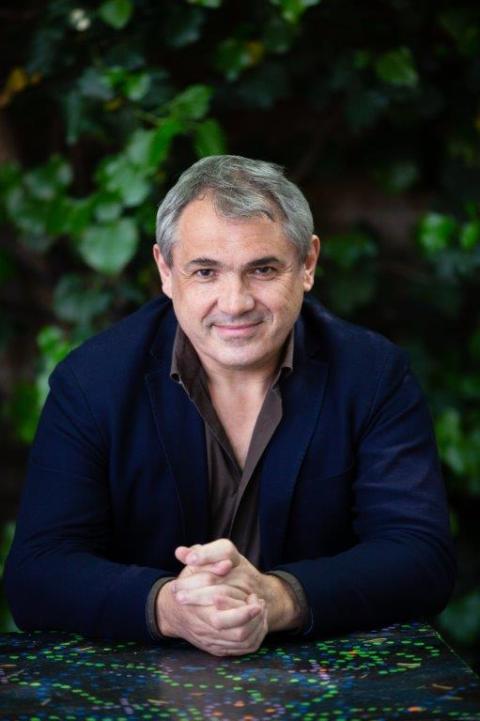
Oliver Röpke

EESC President

Diary Dates

25 September 2023

EU Organic Day - EU Organic Awards Ceremony 2023

30 September 2023

14th EESC Civil Society Prize – deadline for submitting applications

25-26 October 2023, Brussels

EESC plenary session

To the point

Critical raw materials have been at the forefront of public debate in Europe for some time. As COVID and lockdowns disrupted international supply chains, EU industry and policymakers became painfully aware of the need to secure Europe's supply of critical raw materials in order to to make the transition to a zero-carbon economy.

Read more in all languages

Critical raw materials have been at the forefront of public debate in Europe for some time. As COVID and lockdowns disrupted international supply chains, EU industry and policymakers became painfully aware of the need to secure Europe's supply of critical raw materials in order to make the transition to a zero-carbon economy.

As the EU co-legislators prepare to discuss and negotiate Europe's Critical Raw Materials Act, Maurizio Mensi and Michal Pinter, rapporteur and co-rapporteur of the EESC opinion on the draft legislation, set out what needs to be done to make sure that it can really serve European Industry.


Critical Raw Materials Act: what is not critical today could be tomorrow

By Maurizio Mensi and Michal Pinter

The list of critical raw materials needs to stay flexible and be reviewed every two years to keep up with technological and strategic developments


Read more in all languages

By Maurizio Mensi and Michal Pinter

The list of critical raw materials needs to stay flexible and be reviewed every two years to keep up with technological and strategic developments

The shortage of critical raw materials (CRMs) affecting Europe can only be tackled through a bold, all-round EU strategy combining investment, innovation, recycling, sustainability and security of supply. The European Commission's Critical Raw Materials Act is welcome as it does all of that. It also helps prevent potential distortions of competition and fragmentation of the single market.

Today, the EU depends on imports for between 75% and 100% of many of the raw materials it needs, and this makes it both economically and strategically vulnerable (consider the export ban on gallium and germanium recently introduced by China).

The growing popularity of clean technologies (electric vehicles, batteries, photovoltaic solar systems, etc.) is behind much of the sharp increase in demand for CRMs witnessed between 2017 to 2022, with the energy sector the main driver for lithium (demand for which more than tripled), cobalt (up 70%) and nickel (up 40%). In light of this, it is clear that the very economic security of the EU depends on the security of its CRM supply, as risks in CRM supply chains affect the whole of the economy and the single market.

The EESC considers that the first thing to do is to ensure a predictable and stable legal framework to attract investments not only in raw material exploration and extraction, but also in processing and recycling (which can provide significant quantities of copper, lithium, nickel, cobalt and other precious minerals from spent batteries, mining waste, etc.).

Secondly, we need a flexible list of CRMs which can easily be adapted and updated at least every two years. This is because in addition to the materials listed as strategic or critical in the proposed legislation, there are others which are not critical at the moment but could become so in the medium to long term. The strategic importance of different materials should also be assessed at sector level to reflect the demand in the various industries.

Thirdly, we need to ensure broad public support. The expansion of the extractive, processing and recycling industries is going to create new jobs and bring economic progress. In the EU, the raw materials sector directly provides around 350 000 jobs, and more than 30 million manufacturing jobs depend on access to mineral raw materials. But public acceptance cannot be taken for granted. Ensuring the EU has a sustainable supply of raw and advanced materials will require over 1.2 million new jobs by 2030. It is essential to support skills development in academia, but also in the raw materials industry and in the public administrations of the Member States, with measures for both sector workers and public officials.

Another key element is to ensure access to sufficient quantities of reliable, non fossil fuel-based electricity at competitive prices. The EESC would like to see a reform of available funding to support the marketing phase and cover operating costs, instead of granting priority to the R&D phase of new strategic projects, as is the case today. This would help the EU match the ambitions of the US Inflation Reduction Act.

We should also support secondary raw material markets, with measures to create well-functioning markets and minimise scrap losses. In fact, secondary raw material markets are key to a circular economy and could benefit from doing away with regulatory, economic or technical barriers that arise at different stages of the value chain.

The EESC suggests that public funding should be granted more easily if the extractions are based on preliminary economic and environmental studies assessing their polluting impact. That is why coordination with State aid rules is needed. Also, some of the EU antitrust instruments should be adapted to help achieve the objectives of this legislation, while avoiding undue distortions of competition in the internal market (for example, the control framework could be applied more flexibly to mergers, taking into account not only the objectives of the Green Deal, but also the objectives of the legislation on CRMs).

Finally, we need effective trade defence measures to protect new European investments and ensure that we can compete with other major players. To diversify external sources of CRMs, the EU should explore partnerships and cooperation agreements, including with EU candidate countries, funding projects to develop prospecting campaigns in selected new sites and/or in brownfield mining sites. Such partnerships could be conditional on a commitment by the candidate countries to align their environmental policies more rapidly with EU law and standards.


One question to

In our column "One question to…", EESC info asked rapporteur Javier Doz to talk about the proposed new rules on EU economic governance.


Read more in all languages

In our column "One question to…", EESC info asked rapporteur Javier Doz to talk about the proposed new rules on EU economic governance.


"We need to go beyond the Stability and Growth Pact"

EESC info: What is the EESC's position on the Commission's new economic governance proposal?

Javier Doz: The Commission has drawn up this proposal in view of the expiry of the general escape clause under the Stability and Growth Pact (SGP) in January 2024, the high deficit and debt levels in many EU Member States in the aftermath of the pandemic and, perhaps, following a critical reflection on the negative consequences of rigidly applying the SGP provisions to the political management of the Great Recession.
Although the proposal maintains the deficit and debt limits (3% and 60% of GDP, respectively), the methods and deadlines for achieving these objectives are more flexible and are differentiated based on the circumstances of the Member States.

Read more in all languages

EESC info: What is the EESC's position on the Commission's new economic governance proposal?

Javier Doz: The Commission has drawn up this proposal in view of the expiry of the general escape clause under the Stability and Growth Pact (SGP) in January 2024, the high deficit and debt levels in many EU Member States in the aftermath of the pandemic and, perhaps, following a critical reflection on the negative consequences of rigidly applying the SGP provisions to the political management of the Great Recession.

Although the proposal maintains the deficit and debt limits (3% and 60% of GDP, respectively), the methods and deadlines for achieving these objectives are more flexible and are differentiated based on the circumstances of the Member States.

Moreover, the proposal simplifies the rules, with the growth rate of net primary expenditure becoming the key indicator, thus excluding interest on debt, unemployment benefits and expenditure financed by discretionary measures or EU funds. The main change is the fiscal-structural plans, covering a period of four to seven years, which each government will negotiate with the Commission. The plans will also include structural reforms.

On 26 April the Commission published two proposals for a regulation and one proposal for a directive, which amend the corresponding objectives under the SGP on coordination of economic policies and budgetary surveillance, the excessive deficit procedure and the requirements for budgetary frameworks. Following pressure from the German government, provisions that were stricter than those set out in the Communication published in November were included, in particular the obligation for countries with a deficit level exceeding 3% to reduce debt at an annual rate of 0.5% of GDP, and the automatic application of the excessive deficit procedure to countries that deviate from the medium-term plan.

Although the EESC supports the core aspects of the Commission's package, the differentiated national fiscal-structural plans and the flexibility that it introduces into the SGP, the EESC believes that the conditions set out in the initial proposal published in November should be maintained and calls for a discussion on the need to go beyond the 1997 framework.

The EESC also calls for other issues to be addressed, including the possibility of creating a "permanent fiscal capacity" in the EU to finance a growing range of "European common goods". It also believes that involving national parliaments, local and regional authorities, social partners and civil society organisations in drawing up the fiscal-structural plans would strengthen national ownership of the commitments set out in these plans.

The EESC believes there should be differentiated treatment for investment in the fiscal-structural plans (in particular with regard to the green transition and defence), stronger social and labour objectives in investments and reforms, and a careful review of the methodology for analysing debt sustainability and the involvement of governments and independent national fiscal agencies in determining the "technical trajectory" for debt reduction.


New publications

The surprise guest

This month our surprise guest is Georgia-based French journalist Regis Genté, who looks at the conflict that is simmering in his host country while all eyes are riveted on Ukraine.

Read more in all languages

This month our surprise guest is Georgia-based French journalist Regis Genté, who looks at the conflict that is simmering in his host country while all eyes are riveted on Ukraine.

Régis Genté is a freelance journalist and an expert on the former USSR. Based in Tbilisi since 2008, he covers Russia, Ukraine, the Caucasus and Central Asia for several French media outlets, including RFI, France24 TV and Le Figaro.

He has also authored or co-authored several books, including the recent "Volodymyr Zelensky, dans la tête d’un héros" (Volodymyr Zelensky, in the mind of a hero), 2022; "Futbol, le ballon rond de Staline à Poutine" (Football from Stalin to Putin), 2018; "Poutine et le Caucase" ("Putin and the Caucasus"), 2014; and "Voyage au pays des Abkhazes" (A journey to the land of the Abkhazians), 2012. (dm)

Georgia – another front for Russia

The end of 2023 will be a dangerous moment for Georgia: in December, the European Council is due to decide whether or not to grant the former Soviet Republic EU candidate status

Read more in all languages

The end of 2023 will be a dangerous moment for Georgia: in December, the European Council is due to decide whether or not to grant the former Soviet Republic EU candidate status

In June 2022, the Council denied candidate country status to Georgia, in contrast to its response to Ukraine and Moldova, due to the manifestly hostile – and thus pro-Russian – policy of the Georgian government towards the West. While acknowledging that Georgia had a “European perspective”, the Council made candidate country status contingent on the implementation of 12 priorities, relating to, for example, improvements to the media environment and independence of the judiciary.

The context for this country is hallmarked by major internal socio-political tensions due to the divergence of views between the party in power, the “Georgian Dream” party of the oligarch Bidzina Ivanichvili (who has amassed a fortune of EUR 4.5 billion in Russia), and the 3.7 million Georgian people. On the one hand, there is a government that has been in power since 2012 and which has progressively put in place a policy that today seems resolutely pro-Russian; on the other, there is a population that, according to the latest opinion polls, is 81% in favour of joining the EU.

If the situation is tense, it is also because the Russian government is perceived to be manipulating the Georgian government. How can we otherwise explain why the “Georgian Dream” party tried to have a so-called “foreign agents” law adopted, inspired by the 2012 Russian law, which could only annoy Georgians who see that this bill might mean they would permanently lose their chances of moving closer to Europe?

The Russian government is also working to support the “Ivanichvili” government in its policy of breaking with the West. While the Georgian government is systematically undermining links with Western partners (through constant controversy with European and American representatives and propaganda about alleged Western intentions to open a second front in Georgia to weaken Russia), the Kremlin is praising the “Ivanichvili” government’s decisions and is taking steps to mollify public opinion in Georgia – steps such as restoring direct flights between the two countries (suspended since 2019) and abolishing the need for visas for Georgians travelling to the former colonial power.

This is an explosive “cocktail” a few months away from the European Council’s decision, perceived as historic by many Georgians. A part of Georgian public opinion has not forgiven Mr Ivanichvili’s team for bringing the country back into the Russian sphere of influence. Another part, perhaps the majority, likes to think of itself as pro-European, but does not know what to think when faced with caustic criticism of the West in government communications, and appears concerned not to irritate a Russia that is more aggressive than ever. Security risks are very high in a country which, we should remember, was the scene of the beginning of the trial of strength between Moscow and the West, marked by the Russian-Georgian war in 2008.

EESC News

Stop ageism: EESC urges EU Member States to create new strategy for older persons

The EESC has called on the European Commission and Member States to develop a new European Strategy for Older Persons, which would move away from the current perception of older people as a burden and cost to society. Instead, the strategy would tap into their social, economic and intellectual potential, which is often neglected.

Read more in all languages

The EESC has called on the European Commission and Member States to develop a new European Strategy for Older Persons, which would move away from the current perception of older people as a burden and cost to society. Instead, the strategy would tap into their social, economic and intellectual potential, which is often neglected.

In the absence of a comprehensive policy on older persons and ageing, this would be the first EU strategy to protect the rights of older people and ensure their full participation in society and the economy.

The EESC's calls were presented in an opinion adopted at its July plenary session, at which a debate was held with the Commission's Vice-President for Democracy and Demography, Dubravka Šuica, and the president of the AGE Platform Europe, Dr Heidrun Mollenkopf. The opinion had been requested by the Spanish presidency of the Council of the EU.

The strategy would help eradicate ageist views that add to discrimination against older people, which - together with gender discrimination - continues to top the list of the most common forms of discrimination in the EU, despite the fact that Europe is ageing rapidly. Eurostat estimates that by 2050, the number of people in the EU aged 75-84 will grow by 56.1%, while the number of people aged 65-74 will increase by 16.6%.

"The EESC is making a clear and unequivocal call to the Commission to draw up a European Strategy for Older People before the end of its current mandate. I believe this represents a starting point that will be far-reaching in its effects for European social and demographic policy", said the rapporteur of the opinion, Miguel Angel Cabra de Luna.

Commission Vice-President Dubravka Šuica said: "Older people are neither an expense nor a burden. They are an asset. We cannot look at demographic change in isolation. We need to observe how it interacts with megatrends like the green and digital transitions".

"Older people should not be viewed as welfare recipients, but as citizens with the same rights to a full, discrimination-free life as people of all ages. These rights must be guaranteed in all areas of life", stated Dr Mollenkopf.

Furthermore, older people possess a significant share of the wealth in many countries, with notable purchasing power. The silver economy, driven by older consumers, is projected to undergo substantial growth and is estimated to reach EUR 5.7 trillion by 2025. To address this potential, the EU needs effective strategies that take into consideration regional dynamics and the opportunities afforded by this economy. (ll)


EESC puts water on the EU agenda with first concrete Blue Deal proposals

Adopting a human rights approach to water management, boosting investment, introducing consumption label, and price restructuring are among the key recommendations set out in six EESC opinions on water adopted at its July plenary. They make up the first wave of EESC proposals for a comprehensive EU water policy under its Blue Deal initiative.

Read more in all languages

Adopting a human rights approach to water management, boosting investment, introducing consumption label, and price restructuring are among the key recommendations set out in six EESC opinions on water adopted at its July plenary. They make up the first wave of EESC proposals for a comprehensive EU water policy under its Blue Deal initiative.

In response to the pressing challenges in this area, the European Economic and Social Committee is leading the way with a comprehensive set of recommendations for a sustainable water policy for Europe. Its Blue Deal initiative calls for a unified approach across Europe to eradicating water poverty and ensuring access to safe and affordable water and sanitation as a human right.

To achieve these goals, the EESC highlights the importance of developing resilient water infrastructure and distribution networks. This begins with conducting assessments of the current state of water infrastructure and availability in each Member State to identify investment needs and ensure efficient water management.

The series of EESC recommendations on the economics of an EU Blue Deal include implementing pricing strategies that discourage wasteful water consumption and proposing new means of financing water policies. The Committee aims to position the EU as a global leader in water-efficient technologies. It proposes embedding water in all EU industrial policies to reduce water consumption, promote reuse and recycling, and address water pollution. As for agriculture, the EESC suggests a similar approach ensuring that the water dimension is fully incorporated within the Common Agricultural Policy (CAP) framework.

Recognising the power of consumers in driving change, the EESC also wants to promote the use of water-efficient appliances by introducing water consumption labels and circular water consumption practices, empowering individuals to contribute to the solution.
These proposals will be consolidated in a set of key principles and actions to be presented to the European institutions at the Call for an EU Blue Deal conference on 26 October 2023. The EESC's objective is for water to be one of the top priorities of the next European Commission. (gb)

Mental health promotion and support require a comprehensive approach

The EESC has called for a reform of health systems across the EU in a bid to ensure a comprehensive approach to mental health, amid a spike in mental health and behavioural disorders among Europeans, particularly Europe's younger population.

Read more in all languages

The EESC has called for a reform of health systems across the EU in a bid to ensure a comprehensive approach to mental health, amid a spike in mental health and behavioural disorders among Europeans, particularly Europe's younger population.

In an opinion requested by the Spanish presidency of the Council of the EU, adopted at its plenary session in July, the EESC stated that mental health care should focus on timely prevention, early detection and community-based care.

"We urgently need to reform health systems across the EU to ensure that they deliver integrated and planned long-term interventions and care, not only to cure but also to prevent medical conditions, using multidisciplinary teams, instead of being organised around episodic models of care," said the rapporteur for the opinion, Milena Angelova.

"We need to change our mental health care systems. We need more specialists and more support for the people who need [the care],"said the co-rapporteur for the opinion, Ivan Kokalov.
Young people, children, women and disadvantaged groups, but also people exposed to prolonged stress, are at particular risk of developing a mental disorder.

Following the COVID-19 pandemic, mental health has further deteriorated, with some 20% of Europeans experiencing mental health needs, ranging from severe to moderate. This has, among other things, also affected working life and income. Current estimates show that mental health and behavioural disorders cost the EU some 4% of its GDP annually.
Mental health disorders are also taking a severe human toll and are responsible for roughly 4% of deaths in Europe every year; they are the second-most prevalent cause of death among young people.

The EESC commends the European Commission on its recent Comprehensive Plan on Mental Health, and urges that this plan be swiftly transposed into a properly funded EU Mental Health Strategy. The strategy should have a timeframe, define clear responsibilities and include measurable progress indicators.

In the EESC's view, mental health systems should be rights-based and person-centered, prioritising the empowerment and active participation of individuals in their own recovery.
The EESC strongly recommends that the European Commission declare 2024 as the European Year of Mental Health. This would send out a powerful signal and encourage the forging of a strong alliance to improve and promote mental health throughout the EU.


EESC discusses the "Honorary Enlargement Members" initiative to support the gradual integration of EU candidate countries

The EESC welcomed representatives from candidate countries' civil society organisations at its July plenary session, announcing the initiative to appoint "Honorary Enlargement Members" and invite them to participate in daily consultative work at the Committee

Read more in all languages

The EESC welcomed representatives from candidate countries' civil society organisations at its July plenary session, announcing the initiative to appoint "Honorary Enlargement Members" and invite them to participate in daily consultative work at the Committee

As a first concrete step towards that goal, the EESC held a debate at its July plenary session on the importance of civil society in the EU enlargement process. EESC President Oliver Röpke has also signed a Memorandum of Understanding with the Regional Cooperation Council (RCC) to advance the structured engagement of civil society and youth in promoting peace and prosperity in South East Europe.

The Commissioner for Neighbourhood and Enlargement, Olivér Várhelyi, commended the EESC's "Honorary Enlargement Members" initiative as a way of keeping enlargement policy high on the EU's agenda. 

The Prime Minister of Moldova, Dorin Recean, pointed out that this new initiative from the EESC was timely and would strengthen cooperation with civil society in Moldova. 

Majlinda Bregu, Secretary-General of the RCC, said, "We in the RCC cannot imagine coordinating regional efforts on the challenging Green Agenda for the Western Balkans (WB) without our Civil Society Organisations' (CSOs) Consultative Forum, nor coordinating efforts towards a regional market without our chambers of commerce [having a] strong voice". 

Bosko Savkovic, from the Union of Employers of Serbia, praised Serbian civil society for speaking up, fighting foreign disinformation and reminding Serbians of the prospect of EU membership. 

Oleksandr Yavorskyi, from the Federation of Employers of Ukraine, said: "Ukraine made the choice to start its journey to become a member of the EU long before the war started. Ukraine's social partners and civil society now need the right training to help them in the EU accession process".

Anisa Subashi, Vice President of the Confederation of Trade Unions of Albania, underlined the role of trade unions in strengthening social dialogue, especially at a time when the Albanian government was making efforts to shrink civic space. 

Both Dajana Cvjetkovic, Centre for Promotion of Civil Society, Bosnia and Herzegovina, and Daliborka Uljarevic, Executive Director, Centre for Civic Education in Montenegro, supported the role of civil society in the enlargement process. "We are the backbones of our society and the aspirations of our citizens. We are the closest allies of the EU institutions and this initiative will further deepen our cooperation", said Ms. Uljarevic. (mt)

Green Deal Industrial Plan: the EU can do better

The blueprint for a net-zero industry lacks vision on how to ensure Europe's industry stays competitive and attracts investment.

Read more in all languages

The blueprint for a net-zero industry lacks vision on how to ensure Europe's industry stays competitive and attracts investment.

The EESC believes that the Green Deal Industrial Plan (GDIP) and the Net-Zero Industry Act (NZIA) are good overall, but they should be more specific as to what actions will be taken to improve locational factors, boost the competitiveness of Europe's economies and set the EU apart from its systemic rivals.

"We are very critical of the fact that it has taken something like the Inflation Reduction Act in the US to spur the EU into action," says Sandra Parthie, rapporteur of the EESC opinion on the GDIP and the NZIA. "We would have liked this to come earlier. We would have liked the EU to react more forcefully and with more conviction, to show our companies and societies that we really want Europe to remain relevant as an industrial location, with good jobs and good salaries for workers."

European industry has become less competitive than that of its main rivals in recent decades. Per capita GDP in the EU has dropped from around 70% of per capita GDP in the US in the 2000s to under 66%. US and EU shares of the world's gross investment declined from 29% to 20% and from 23% to 15% respectively between 1999 and 2020. 

To reverse this downward trend, the EESC recommends carrying out an audit to identify how the EU can control and improve its value chains and avoid excessive dependencies. It also suggests submitting all draft EU legislation to a competitiveness check.

One problem the EESC points to as demanding bolder action is red tape and processing time. Take public funding: decisions to grant projects financial support and access to funding take too long. The EESC argues that, if we want to prevent investors from taking their business elsewhere, we need measures to ensure timely and accessible funding for both operating costs and capital expenditure, covering all types of businesses, big and small. 

Permitting is another point where the GDIP is not up to scratch: it singles out a number of net-zero technologies which should get fast-track permitting and more financial support for projects, leaving other sectors to face more difficulties.

In the EESC's view, the GDIP and the NZIA focus too narrowly on promoting green technologies and picking "winners". Instead, they should encourage a diverse industry with a wide range of sectors.  
Europe is home to a lot of energy-intensive heavy and primary industries that need decarbonising and that are not included in the GDIP. 

Easing EU State aid rules is another potential trap, as it could widen the gap between richer Member States and poorer ones which do not have the fiscal space to invest in the green transition and support their champion industries and households. This is why there should be a serious debate on a European Sovereignty Fund to provide additional EU-level financing for the transition. 

European Commission figures show that there is significant job creation potential in net-zero technology, with 180 000 workers needed in fuel cell hydrogen manufacturing, 66 000 in photovoltaic solar manufacturing and 800 000 in battery production. 

The GDIP supports the development of green skills, but the EESC maintains that it should support the development of the whole range of skills needed in industry. It should also speed up and standardise work permits for qualified workers coming from outside the European Union. (dm)

 

EESC presses EU for cohesive approach to raw materials policies

In an opinion adopted at its July plenary, the EESC urges the EU to take a comprehensive approach to raw materials policies. It proposes expanding the critical materials lists, ensuring fair energy prices, simplifying permitting, prioritising recycling, and promoting capacity-building in EU raw materials policies.

Read more in all languages

In an opinion adopted at its July plenary, the EESC urges the EU to take a comprehensive approach to raw materials policies. It proposes expanding the critical materials lists, ensuring fair energy prices, simplifying permitting, prioritising recycling, and promoting capacity-building in EU raw materials policies.

China currently dominates the global supply of critical raw materials, with Europe producing less than 5% of the world's mineral raw materials. With demand for global raw materials projected to double by 2060, action is imperative.

To address these challenges, the EESC recommends expanding the list of critical raw materials to include those vital for green and sustainable technologies, enabling targeted policies and investments. It also advocates fair energy prices, financial support, simplified permitting procedures, and partnerships with other countries to enhance resource security and drive the EU's green transition.

The EESC rapporteur for the opinion, Maurizio Mensi, emphasised the need to prioritise the recovery and reuse of raw materials in waste legislation as a way to reduce reliance on primary sources and stimulate economic growth. However, the Committee warns about the importance of balancing resource security with environmental considerations to align with the EU's sustainability goals.

EESC co-rapporteur Michal Pintér argued for EU-wide capacity-building in extractive industries. The opinion calls for a focus on developing human capital in extractive industries, and reskilling and upskilling the current workforce in order to foster a robust raw materials sector.

By collectively addressing these aspects, the EU can successfully transition towards a green economy, laying the foundations for a resilient, sustainable and globally competitive raw materials sector. (gb)

Transitioning to sustainable energy in the EU fisheries and aquaculture sector: a path to climate neutrality

The EESC welcomes the European Commission's strategy on the energy transition in the EU fisheries and aquaculture sector, in an opinion requested by the Spanish Presidency and adopted at the July plenary. Recognising the urgent need to reduce carbon emissions and promote sustainable, renewable and commercially viable energy alternatives, the EESC stresses the significance of achieving climate neutrality by 2050.

Read more in all languages

The EESC welcomes the European Commission's strategy on the energy transition in the EU fisheries and aquaculture sector, in an opinion requested by the Spanish Presidency and adopted at the July plenary. Recognising the urgent need to reduce carbon emissions and promote sustainable, renewable and commercially viable energy alternatives, the EESC stresses the significance of achieving climate neutrality by 2050.

The EESC emphasises that the fishing industry plays a vital role in mitigating the effects of climate change. Fishers provide one of the healthiest animal proteins with a minimal carbon footprint, with emissions from the sector projected to account for a small fraction of the world total in 2023, underscoring the industry's relatively low environmental impact. Nevertheless, the EESC urges for continued efforts to enhance energy efficiency and reduce emissions further.

"The decarbonisation of the fishing sector requires a comprehensive approach, financial incentives and embracing zero-emission energy sources", said rapporteur of the opinion, Javier Garat Pérez. "We have to balance realism and ambition. We need an appropriate and realistic decarbonisation timetable that considers technological, logistical, and legislative developments. The cost of the transition should not burden employers and workers in the maritime sectors or leave anyone behind. Balancing the goals of decarbonisation with economic viability is crucial for a successful energy transition".

The EESC recognises the challenges posed in the development and global availability of alternative and innovative green technologies. The EESC suggests hybridisation as an intermediate solution, while also exploring options beyond fossil fuels. In addition, it notes that any energy source change will require new vessels to be designed in a completely new way, with higher on-board capacity (gross tonnage) to accommodate new machinery. The EESC therefore calls on the European Commission to review the definition of "fishing capacity" in order to be able to implement new technologies related to the energy transition. (ks)


Influencer advertising: EESC proposes EU regulation to draw red line

Rules should set obligations for influencers, but also for video-sharing platforms and social media networks

Read more in all languages

Rules should set obligations for influencers, but also for video-sharing platforms and social media networks

Influencer advertising and marketing has been one of the fastest-growing industries of the last decade. Perceived by consumers as closer, more authentic and more trustable than traditional advertising or celebrity endorsement, influencers are attracting more and more brand investment.

However, unlike traditional advertising, which is subject to very strict rules, influencer advertising can fall through the cracks of ad disclosure. The commercial nature of influencer posts is not always identifiable as such, with ads featuring alongside similarly styled, but independent, editorial content. 

This lack of transparency is dangerous for consumers in general and for minors in particular. Exposing this vulnerable group to covert advertising could potentially harm their physical, psychological, social and emotional development. 

Should the EU do something about this? "In fact, the EU already has some mechanisms in place to deal with influencers, which are covered by legislation on both advertisers and sellers/traders. However, we think it would be desirable to have a comprehensive approach, given the rapid rise of this phenomenon," says Bernardo Hernández Bataller, rapporteur for an EESC report on this issue.

The Committee suggests that the EU should set specific obligations for both the administrators of the video-sharing platforms and social media networks on which influencers operate, and for content creators/influencers themselves. 

Influencers should:

  • include a prominent label upfront to highlight that a post is a marketing communication;
  • comply with sector-specific rules designed to protect the health and safety of consumers and users, especially minors and other vulnerable groups;
  • be liable if they fail to make it sufficiently clear when they are being paid to endorse or promote a product or service.

Platform administrators and social media networks should:

  • also be liable for content published by the content creators and influencers they host; 
  • have an obligation to take down illegal content and report illegal activity;
  • ask all content creators/influencers operating outside the EU to clearly indicate who is legally liable for their activity within the EU and to have professional insurance to cover harm caused by illegal activities.

In order to protect minors, platforms and social network administrators, together with influencers, should ensure that: 

  • it is technically possible to prevent under-age users from viewing sensitive content, which in any case must be marked as "prohibited for children under 18", require age verification and allow the use of parental control;
  • influencer posts targeting minors include the words "advertising", "commercial communication" or "sponsored by"; and that modified images are marked as "touched-up image" and products of artificial intelligence as "virtual image".

This EESC opinion has been drawn up for the Spanish presidency of the Council of the EU, which is considering whether a specific regulation should be adopted and has asked the European Economic and Social Committee for its views on this matter. (dm)
 

EU records highest level of inflation since euro introduction: 96.5 million people at risk of poverty

Inflation in the European Union is at its highest since the euro was introduced. Currently, 96.5 million Europeans are at risk of poverty and social exclusion: these people are the most affected by the broad increase in prices of goods and services, rising energy costs and loss of purchasing power.

Read more in all languages

Inflation in the European Union is at its highest since the euro was introduced. Currently, 96.5 million Europeans are at risk of poverty and social exclusion: these people are the most affected by the broad increase in prices of goods and services, rising energy costs and loss of purchasing power.

These are just some of the alarming figures revealed in the EESC opinion drafted by Felipe Medina Martín and adopted at the July plenary session.

The impact of the energy crisis on the European economy is serious. The high prices for energy, raw materials, services and industrial goods have resulted in high inflation and weakened economic growth and have put strong pressure on public finances and businesses, undermining external economic competitiveness.

To reverse this trend, the EESC points out that households and key sectors (agri-food, transport, retail, etc.) should benefit from plans to reduce the impact of high energy prices, and calls on the European institutions to establish control mechanisms. Future policies should be tailored, targeted and transition-proof, and support families with lower incomes and greater difficulties in particular.

Some national price control measures have turned out to be the most suitable measure to soften the effects of high prices of basic products on families' budgets. For example, the "Iberian exception" on the electricity market price system has allowed Spain and Portugal to cap the price of gas in electricity production plants and thus drastically reduce bills. The temporary reduction of VAT on electricity prices, food and fuel adopted in some Member States is another example. (mp)

EU banking system: EESC calls for stronger deposit protection, harmonisation and proportionality

In the wake of recent banking crises in the US and the Credit Suisse case, the EESC has reviewed the Commission's proposal to reform the Bank Crisis Management and Deposit Insurance framework (CMDI). Among other measures, the Committee calls for protecting the interests of smaller and local banks, depositors and taxpayers, and coordinating the CMDI package with the future reform of the State aid Regulation.

Read more in all languages

In the wake of recent banking crises in the US and the Credit Suisse case, the EESC has reviewed the Commission's proposal to reform the Bank Crisis Management and Deposit Insurance framework (CMDI). Among other measures, the Committee calls for protecting the interests of smaller and local banks, depositors and taxpayers, and coordinating the CMDI package with the future reform of the State aid Regulation.

It was the Spanish government that asked the EESC to look into the matter and provide policy recommendations to the co-legislators and the Spanish Presidency of the Council of the EU. The Commission's proposal to reform the CMDI aims to tackle remaining risks in the European banking sector, advancing further in the completion of the Banking Union and strengthening the EU single market in the interest of depositors and taxpayers.

"The EESC acknowledges the importance of speed, flexibility and cooperation in responding to bank crises while protecting depositors and taxpayers", commented EESC rapporteur Giuseppe Guerini. "The Commission's proposal is a step towards the completion of the Banking Union, which is crucial for achieving full consolidation of the EU financial system and reducing market fragmentation".

In its opinion, the EESC insists that harmonising deposit protection and evaluating resolution and insolvency alternatives are crucial for protecting the interests of depositors and preserving the diverse European banking ecosystem. (tk)
 

Celebrating 65 years of the EESC

In 1957, the Economic and Social Committee was established and given consultative powers in order to bring, through its opinions and a wide variety of other activities, the perspective and concerns of organised civil society to the European decision-making bodies, and through this bring the EU closer to its citizens.


Read more in all languages

In 1957, the Economic and Social Committee was established and given consultative powers in order to bring, through its opinions and a wide variety of other activities, the perspective and concerns of organised civil society to the European decision-making bodies, and through this bring the EU closer to its citizens.

The following year the Economic and Social Committee held its first plenary session. Read more about the 65th anniversary here: www.eesc.europa.eu/65. (ck)


2022 in review – our activity report is out!

What did we get up to last year? You can find out in our 2022 activity report: A year in review. What were the highlights and most important topics of last year?

Read more in all languages

What did we get up to last year? You can find out in our 2022 activity report: A year in review. What were the highlights and most important topics of last year?

2022 was marked by dramatic events. On 24 February 2022, Russia launched an unprovoked war against Ukraine. Following this aggression, the EESC has been supporting Ukrainian civil society through a number of opinions, conferences and resolutions. We opened our premises to Ukrainian civil society organisations active in Brussels, providing them with a safe place to continue working and keep Ukrainian civil society alive. Our Civil Society Prize rewarded initiatives helping civilians suffering as a result of the war.

In response to the rise in energy prices, the EESC proposed a comprehensive approach to the energy transition, built on the need for a new energy model and an energy-independent EU. And while the EU is still fighting the consequences of the COVID-19 pandemic, investments in the green and digital transformations are more essential now than ever. The Committee has thus also been supporting the implementation and enforcement of the national recovery and resilience plans.

If you are curious to find out more, download the brochure:
https://www.eesc.europa.eu/en/our-work/publications-other-work/publications/2022-year-review.


News from the Groups

Climate diplomacy has to be a flagship of EU's foreign policy

By Stefano Mallia, President of the EESC Employers' Group

Wildfires have been raging across several countries in southern Europe this summer, destroying homes and coastal resorts and turning vast forest areas into blackened wastelands, while floods have been hitting Slovenia. Climate events are not a new phenomenon in Europe, but they have increased in intensity, both here in Europe and elsewhere. There is no doubt that climate change is making these phenomena more frequent and more extreme.

Read more in all languages

By Stefano Mallia, President of the EESC Employers' Group

Wildfires have been raging across several countries in southern Europe this summer, destroying homes and coastal resorts and turning vast forest areas into blackened wastelands, while floods have been hitting Slovenia. Climate events are not a new phenomenon in Europe, but they have increased in intensity, both here in Europe and elsewhere. There is no doubt that climate change is making these phenomena more frequent and more extreme.

With the COVID-19 pandemic, the war in Ukraine and the subsequent energy crisis, efforts aimed at tackling climate change and embarking on a genuine green transition in Europe have been somewhat hampered.

Some Member States have adopted a number of measures which are de facto delaying the phasing out of fossil fuel extraction operations or are even investing in new operations of this type to meet their energy needs. Such behaviour sends out confusing messages, not only to the people of Europe but also to third countries, which could use this to justify delays in their own transitions. All this could clearly jeopardise this year's COP28 summit, where countries are meant to clinch a deal on phasing out the use of CO2-emitting fossil fuels.

This is why the EU must maintain a coherent, consistent approach to climate policy. We must practise what we preach! Recently the EU has stepped up its work on climate diplomacy, the success of which greatly relies on internal climate policy decisions taken by the EU, but also on effective implementation of the European Green Deal (EGD). Despite the accelerating new geopolitical challenges, the EU must gain deeper insight into the geopolitical aspects of the EGD. That calls for a fresh, robust and credible strategy to adjust EU climate diplomacy to the current geopolitical landscape.

Where do we start? At the EESC, we believe that we should enrich the climate diplomacy toolbox with initiatives aiming not only to raise climate ambitions but also to share the EU's experience and address climate-related risks.

To operationalise climate diplomacy we should take advantage of its multilevel nature. The creation of a Civil Society Diplomacy Network could be a starting point.

As we move forward, there is no time to waste if we want to avoid irreparable damage. Climate diplomacy is preventive diplomacy. That is why there is clearly an urgent need to upgrade climate diplomacy, making it the flagship action of the EU's external affairs and foreign policy.

Collective bargaining, democracy and the future of work: issues for discussion at the end of summer 2023

By the EESC Workers' Group

Collective bargaining, despite being one of the cornerstones of industrial relations in Europe, varies wildly among the Member States, with varying degrees of coverage and protection of workers.

Read more in all languages

By the EESC Workers' Group

Collective bargaining, despite being one of the cornerstones of industrial relations in Europe, varies wildly among the Member States, with varying degrees of coverage and protection of workers.

It is part of the process of social dialogue, which is also one of the priorities of the Spanish presidency of the EU Council. The Workers' Group is working closely with the Spanish government on this, particularly through the 'Green Collective Bargaining' and 'Democracy at Work' opinions, issues that will be discussed at the High Level event on Social Dialogue in Santiago de Compostela on 21 and 22 September 2023, organised by the Spanish presidency.

The Workers' Group will be discussing the importance of social dialogue and collective bargaining on 20 September, and also expects to gain a better understanding of and provide clarity on the complex picture of collective bargaining at EU level through the study it is carrying out, which is open for expressions of interest until 8 September here.


Let us protect and empower youth civil society

By the EESC Civil Society Organisations' Group

In July, the Civil Society Organisations' Group (CSO Group) of the European Economic and Social Committee (EESC) and the Young European Federalists (JEF Europe) co-organised a youth seminar entitled Youth under pressure - Safeguarding youth civil society. The seminar followed on from previous webinars on youth civic participation organised by the CSO Group in 2021 and 2022.

Read more in all languages

By the EESC Civil Society Organisations' Group

In July, the Civil Society Organisations' Group (CSO Group) of the European Economic and Social Committee (EESC) and the Young European Federalists (JEF Europe) co-organised a youth seminar entitled Youth under pressure - Safeguarding youth civil society. The seminar followed on from previous webinars on youth civic participation organised by the CSO Group in 2021 and 2022.

In an exchange between youth and institutional representatives, including the guest speakers Dr Sergey Lagodinsky (Member of Parliament, Greens/EFA), Alessia Valentino (Legal Officer, European Commission), and Christian Moos (member of CSO Group and rapporteur for the EESC's upcoming opinion on the Defence of Democracy package), the seminar addressed the tendencies and specific violations of youth civic spaces across Europe.

The event highlighted the urgent need for coordinated civic dialogue at national and European level, increased funding for youth organisations and inclusive participation of all young people. It also stressed the need for mechanisms to protect activists, meaningful follow-up to youth dialogues, and addressing the increasing restrictions on civil society organisations. Despite the differing perspectives and the acknowledgement that there is no one-size-fits-all solution for addressing concerns across Member States, all speakers and participants collectively agreed on the urgent need to protect and empower youth civil society for the continued vitality of democracies.

Read the complete list of conclusions and recommendations from the seminar at: https://europa.eu/!DFFpPj
 

Soon in the EESC/Cultural events

EU Organic Awards 2023: EESC announces finalists

The EESC is proud to announce the finalists for each category of the second edition of the  EU Organic Awards, co-organised with the European Commission.

Read more in all languages

The EESC is proud to announce the finalists for each category of the second edition of the  EU Organic Awards, co-organised with the European Commission.

The prize rewards of each category will be announced on 25 September, in connection with EU Organic Day, at a special ceremony attended by the EU's Commissioner for Agriculture, Janusz Wojciechowski.

As the organic transition gains momentum across Europe, we are witnessing a plethora of remarkable initiatives in action. The initial phase of the evaluation has concluded and, following a detailed examination of all the submissions, we are proud to present the finalists in each of the three categories:

The finalists, in alphabetical order, are:

  1. Best organic food processing small medium enterprise (SME)
    • Ekološka kmetija Kukenberger, Slovenia, processing dairy products.
    • Fürstenhof GmbH, Germany, processing eggs and poultry meat.
    • The Merry Mill, Ireland, mainly processing gluten-free oats and flour.
  2. Best organic retailer
    • Gut Wulkselde GmbH, Germany, a shop selling produce from their farm.
    • NaturaSì Ariele Conegliano, Italy, a shop which is part of the NaturaSì network.
    • Valle y Vega Cooperative Agroecológica de Granada, Spain, a farmer cooperative-run shop.
  3. Best organic restaurant/ food service
    • Biohotel St. Daniel, Slovenia, a restaurant forming part of a "biohotel".
    • Luftburg - Kolariks Freizeitbetriebe GmbH, Austria, a family-friendly restaurant.
    • Trnulja Country Estate, Slovenia, a restaurant at a country estate.

The EESC has once again been able to attract high-quality applications for these awards, thanks to its network of civil society organisations. These remarkable projects encompass the entire organic value chain, providing clear evidence that a real practical shift towards more sustainable and equitable food systems is already underway. It is now imperative for policy-makers to establish conducive conditions that allow these initiatives to flourish and be emulated across various regions, according to Peter Schmidt, president of the EESC's Section for Agriculture, Rural Development and the Environment (NAT).

The awards were launched as part of a commitment made in the Commission's action plan for the development of organic production with the objective of recognising excellence along the organic food chain, from farmer to restaurant. It rewards the best and most innovative organic operators who are helping to reduce the impact of agriculture on climate and the environment, and whose actions will help achieve the ambitions of the Farm to Fork and Biodiversity strategies.

Further information about the candidates, the selection criteria and the awards in general can be found on the EU Organic Awards website and on the EESC website. (ks)

EESC opens applications for its Civil Society Prize on tackling mental health

The EESC has launched its 14th Civil Society Prize open to civil society organisations, individuals and private companies registered or residing in the European Union.

By choosing mental health as this year's theme, the EESC will reward creative and innovative non-profit projects that help individuals with mental health conditions and create a supportive environment for their mental well-being, whether on an individual level or as a collective effort.


Read more in all languages

The EESC has launched its 14th Civil Society Prize open to civil society organisations, individuals and private companies registered or residing in the European Union.

By choosing mental health as this year's theme, the EESC will reward creative and innovative non-profit projects that help individuals with mental health conditions and create a supportive environment for their mental well-being, whether on an individual level or as a collective effort.

A total of EUR 50 000 will be awarded to a maximum of five winners. The deadline for entries is 10 a.m. (Brussels time) on 30 September 2023. The award ceremony is likely to take place during the EESC Civil Society Week in spring 2024.

To be eligible, initiatives and projects have to be carried out in the EU. They must have already been implemented or still be ongoing. Eligible entries must cover at least one of the issues listed in the eligibility criteria published in the Rules governing the 14th EESC Civil Society Prize, available on the EESC's dedicated web page.

Among other things, projects can focus on preventing and combating psychosocial risks at work and promoting supportive workplace cultures. They can also address the mental health needs of disadvantaged groups and ageing populations, or promote mental well-being in children and adolescents.

Projects focused on community work such as empowering local communities, creating networks for community involvement and establishing a supportive environment for mental health will also be eligible. Improving mental health literacy and combating the stigma, which often deters people from seeking help, are also acceptable as entry themes.

The EESC hopes its prize will honour and showcase the non-state efforts made so far to help people battling with mental health issues. It also aims to encourage ongoing projects and inspire new ones, thus highlighting the contribution such projects can make to curbing the explosion of this silent epidemic in the EU.

The aim of the EESC's flagship Civil Society Prize is to raise awareness of civil society's outstanding contribution to creating a European identity and citizenship, and to promoting the common values that bolster European integration. Each year, the prize focuses on a different theme particularly relevant to the EU. Past topics have included youth and help for Ukraine, climate and gender equality. In 2020, the EESC awarded a one-off Civil Solidarity Prize dedicated to the fight against COVID-19.

To apply, click here. (ll)


Editors

Ewa Haczyk-Plumley (editor-in-chief)
Daniela Marangoni (dm)
 

Contributors to this issue

Amalia Tsoumani (at)
Chrysanthi Kokkini (ck)
Daniela Marangoni (dm)
Daniela Vincenti (dv)
Ewa Haczyk-Plumley (ehp)
Jasmin Kloetzing (jk)
Karen Serafini (ks)
Katharina Radler (kr)
Katerina Serifi (ks)
Laura Lui (ll)
Marco Pezzani (mp)
Pablo Ribera Paya (prp)
Thomas Kersten (tk)


Coordination

Agata Berdys (ab)
Katerina Serifi (ks)

Technical support
Bernhard Knoblach (bk)

Address

European Economic and Social Committee
Jacques Delors Building,
99 Rue Belliard,
B-1040 Brussels, Belgium
Tel. (+32 2) 546.94.76
Email: eescinfo@eesc.europa.eu

EESC info is published nine times a year during EESC plenary sessions. EESC info is available in 23 languages
EESC info is not an official record of the EESC’s proceedings; for this, please refer to the Official Journal of the European Union or to the Committee’s other publications.
Reproduction permitted if EESC info is mentioned as the source and a link  is sent to the editor.
 

September 2023
09/2023

Follow us

  • Facebook
  • Twitter
  • LinkedIn
  • Instagram