Newsletter Info

EESC info

European Economic and Social Committee A bridge between Europe and organised civil society

FEBRUARY 2022 | EN

GENERATE NEWSLETTER PDF

Available Languages:

  • BG
  • CS
  • DA
  • DE
  • EL
  • EN
  • ES
  • ET
  • FI
  • FR
  • GA
  • HR
  • HU
  • IT
  • LT
  • LV
  • MT
  • NL
  • PL
  • PT
  • RO
  • SK
  • SL
  • SV
Editorial

The rule of law is also very much about the economy!

The Rule of Law is also very much about the economy!

The rule of law crisis in the EU is deepening. It has become highly politicised and has triggered legal disputes that undermine the very foundations of the European Union. While the political and legal aspects of the rule of law debate are very much present in public discourse, the economic angle remains underestimated. This is a mistake, in my opinion, as social and economic stability is highly impacted by the rule of law.

Read more in all languages

The rule of law is also very much about the economy!

The rule of law crisis in the EU is deepening. It has become highly politicised and has triggered legal disputes that undermine the very foundations of the European Union. While the political and legal aspects of the rule of law debate are very much present in public discourse, the economic angle remains underestimated. This is a mistake, in my opinion, as social and economic stability is highly impacted by the rule of law.

Respect for the rule of law spurs growth by attracting investors, who value safety, security and transparency. Investors also appreciate the stable conditions offered by just and ethical governments, as well as a fair and independent judiciary. Respect for the rule of law is therefore essential for investment and trade.

Personally, I believe that the rule of law principle should play a stronger role in the internal market. We cannot have fair competition if discriminatory measures (such as additional bureaucracy and taxes that apply only to foreign investors) are in place in a growing number of EU countries. Certain rights, such as the right to property and freedom to conduct business, must be better enforced.

The economic aspect of the rule of law is especially visible when it comes to enlargement. For candidate and potential candidate countries, the prospect of EU accession is the greatest incentive to conduct economic reforms and strengthen the rule of law. The EU must set an example so that these countries stay on the path to accession and continue to develop their democracies in the European style. This is especially important now, when other countries are stepping up their attempts to gain influence, for example, in the Western Balkans.

These are just a few of the reasons why monitoring the economic aspects of the rule of law must be intensified. We need to put the economic dimension of the rule of aw into greater focus. This is a role for us – the EESC  – during our on-going fact-finding missions on the rule of law. Personally, I would very much encourage the European Commission to include a separate chapter in its 2022 Rule of Law report focusing on the economic dimension. The topic is certainly worth long-term reflection and investment.

Christa Schweng
EESC President

Diary Dates

1-2 March, Brussels

Circular Economy Stakeholder Platform Conference

4 March 2022, Brussels

A sustainable future for European industry

8 March 2022, Brussels

Conference " Women on the labour market"

15-17 March 2022, Brussels

Civil Society Days 2022

23-24 March 2022, Brussels

EESC plenary session

To the point

In our column "To the point", we ask EESC members about important EU opinions that have an impact on everyday life in the EU.

Read more in all languages

In our column "To the point", we ask EESC members about important EU opinions that have an impact on everyday life in the EU.

For this edition, we asked Sandra Parthie to explain the importance for citizens of the subject matter contained in the opinion Industrial ecosystems, strategic autonomy and well-being, adopted by the Committee at its January plenary session.(ehp)


Industry: protectionism is a dead-end street for Europe, climate neutrality is the key

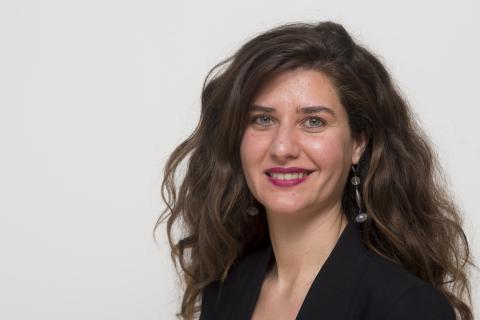
By Sandra Parthie

Disruption, transition, transformation, structural change – we certainly live in "interesting times". Europeans today face several megatrends simultaneously – climate change and the need to decarbonise our economies; digitalisation and the need to re-think workplace organisation; de-globalisation and the need to remain economically relevant.

Read more in all languages

By Sandra Parthie

Disruption, transition, transformation, structural change – we certainly live in "interesting times". Europeans today face several megatrends simultaneously – climate change and the need to decarbonise our economies; digitalisation and the need to re-think workplace organisation; de-globalisation and the need to remain economically relevant.

In the industrial sector, competition is getting ever fiercer and ever more global. For quite some time Europeans have been used to being global rule-makers, to being at the forefront of technological developments and to benefiting from an ever-increasing level of social and economic well-being. All of these "certainties", however, are being threatened now. Europe is at risk of becoming the third wheel to a Chinese-US dominated new global order.

"So what?", some might ask. Well, here's why this matters a lot, actually: Europe lacks natural resources and for centuries has based its economic prosperity and social well-being on international trade and on access to and use of resources, from silver to spices, to oil and gas. It has often dominated its trading partners and shaped trading rules and norms in its interests. It has been able to do so because it had market power, was competitive and innovative.

Now the situation is changing. Although the EU is working on completing its single market, many internal hurdles remain, many national interests are hindering the process. And while the Member States bicker over regulatory details, the overall market power of the EU is dwindling, especially in relation to Asia. No less than 85% of economic growth until 2030 is forecast to happen outside the EU. Meaning in markets and according to rules and norms shaped by others, and where European values, from social protection to workers' rights, social dialogue, labour and environmental standards, don't play a role. Meaning, too, that access to much needed resources is becoming more difficult for European businesses and entrepreneurs. Not only because global demand and thus competition for these resources is increasing, but also because protectionism and coercive or retaliatory actions against countries, companies and economies are on the rise, too. All these developments affect access to the resources, such as rare earths and raw materials, that our manufacturing industry needs to function and provide high-quality jobs.

Calling for strategic "autonomy" is not going to solve this issue. Turning protectionist and aiming for economic self-reliance is a dead-end street. Europe cannot be autonomous, due to its lack of resources. It has to continue fighting for a functioning international trade system.

But it needs a strategy on how to deal with this situation. Europe needs to reduce its one-sided dependencies wherever possible, change resource-intensive consumption and production patterns, increase its processing capacities and invest in, and develop, production facilities in future-oriented sectors, especially for high-value goods where it is essential to maintain the EU's technological and innovation potential.

Sustainability and climate neutrality, therefore, are rightly becoming the guiding principles for our economic activities. A major factor influencing Europe's competitiveness is energy - the way it is produced and how much it costs. The recent rise in energy prices currently tops the agenda and is creating many headaches for private households, as well as industry and politicians. It also has a history of worrying geopolitical implications. Europe still depends to a large degree on external producers for its energy supply. Changing this will positively affect our economies on several levels: investment in more renewable energies and a decentralised energy supply will boost European manufacturers, reduce CO2 emissions, reduce dependence on price-volatile fossil fuels, and lower energy prices in the long-term. It is therefore a policy priority for Europe.

At the same time, though, the EU is not a monolithic bloc. Thus, capacities for adapting to these new needs and dealing with the disruptors vary greatly from region to region, from Member State to Member State. The transition needs investments into research and innovation, into infrastructure, into attracting businesses, into favourable production and manufacturing conditions for companies, into new technologies and materials. But also into support measures for workers and employees in sectors hit by structural change, into education, up-skilling and re-skilling.

Not all Member States are equally equipped to deal with these demands. In addition, the pandemic has worsened inequalities between Member States, and governments find themselves with very different to-do or priority lists. But these differences should not cloud the vision of political leaders – climate change will not wait for the next election, finances are available for digital and green investments, and improving the capacities and good governance of public administrations is not witchcraft, but a question of political will. Citizens are aware of the ongoing structural change. Getting them to support political action to deal with it will involve broad consultation and communication activities, especially with the social partners and civil society representatives.

Sandra Parthie is director of the Brussels office of the German Economic Institute. She is rapporteur for the EESC opinion "How will the identified industrial ecosystems contribute to the strategic autonomy of the EU and the wellbeing of Europeans?"

One question to...

One question to…

In our column "One question to...", Maria Nikolopoulou answers EESC info readers' questions on the origins and significance of the ad hoc Group on Equality, of which she has become president.


Read more in all languages

In our column "One question to...", Maria Nikolopoulou answers EESC info readers' questions on the origins and significance of the ad hoc Group on Equality, of which she has become president. (ehp)


"We constantly foster a culture of equality"

EESC info: You have been elected president of the EESC Ad hoc group on equality. What are the most important tasks that the group will undertake?

Maria Nikolopoulou: The mission of the equality group is to promote a cross-cutting culture of equality and non-discrimination in the EESC. Therefore, the first step is to identify the areas where members might potentially receive unequal treatment due to their origin, gender, sexual orientation or beliefs. We also aim to enhance the participation of women in our Committee and reach gender balance as soon as possible. We currently have 108 female members (32.82%). On the one hand, we want to increase the number of female members in the medium/long term and on the other hand we want to make sure that we create space and the necessary conditions for women to be more active. One of the tools that we want to improve is data collection on the participation of women, not only as members but also as experts and speakers, in our activities.


Read more in all languages

EESC info: You have been elected president of the EESC Ad hoc group on equality. What are the most important tasks that the group will undertake?

Maria Nikolopoulou: The mission of the equality group is to promote a cross-cutting culture of equality and non-discrimination in the EESC. Therefore, the first step is to identify the areas where members might potentially receive unequal treatment due to their origin, gender, sexual orientation or beliefs. We also aim to enhance the participation of women in our Committee and reach gender balance as soon as possible. We currently have 108 female members (32.82%). On the one hand, we want to increase the number of female members in the medium/long term and on the other hand we want to make sure that we create space and the necessary conditions for women to be more active. One of the tools that we want to improve is data collection on the participation of women, not only as members but also as experts and speakers, in our activities.

How will the group cooperate with other EU institutions and organisations dealing with equality issues?

Last year we were in contact with the former chair of the European Parliament's FEMM Committee, Evelyn Regner, and the Parliament's Vice President for gender equality and diversity, Dimitrios Papadimoulis, to share ideas, best practices and actions. We were inspired by and replicated the Parliament's initiative to organise an Equality Week. We adapted this idea to our own work and timetable and, at the meeting of our sections at the end of the year, we held thematic debates on topics related to women, from gender-based violence to women in agriculture, water transport, the economy and external relations. In addition to this, we are currently organising an open event that we will broadcast and that we aim to hold every year, to mark International Women's Day on 8 March.

This year, on 8 March, we would like to target our activities at the public outside the Committee and draw their attention to the situation of women in the labour market.

EESC info: Why do you think it is important for civil society to have such a group?

The EESC is part of civil society. The organisations we as members belong to demand respect and promote equality at national and local level and we have to do the same at European level in the "house of organised civil society". To be consistent with our values and demands, we need to practise what we preach, making sure that we constantly foster a culture of equality.

Maria Nikolopoulou, EESC member, president of the Ad hoc group on equality

Guess who is our guest...

The surprise guest

Every month in our column "The Surprise Guest" we introduce a public figure whose work and commitment are seen by others as a source of inspiration. In particular their courage, strength of character and determination to take action are exemplary.

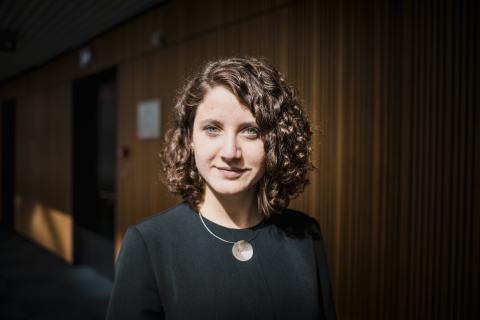
EESC Info's guest this month is Hanna Liubakova, a Belarusian activist and journalist who is speaking out firmly to say that, now more than ever, the Belarusian opposition needs Europe. She is appealing to the European Union and other donors to support the opposition's actions and, in particular, to support journalists and NGOs in their struggle for freedom and democracy.


Read more in all languages

Every month in our column "The Surprise Guest" we introduce a public figure whose work and commitment are seen by others as a source of inspiration. In particular their courage, strength of character and determination to take action are exemplary.

EESC Info's guest this month is Hanna Liubakova, a Belarusian activist and journalist who is speaking out firmly to say that, now more than ever, the Belarusian opposition needs Europe. She is appealing to the European Union and other donors to support the opposition's actions and, in particular, to support journalists and NGOs in their struggle for freedom and democracy.

She wants her voice to be heard, especially when she asks for help in creating a culture of opposition and respectful debate, and in strengthening the transformation process.

Hanna Liubakova is a journalist from Belarus and non-resident fellow at the Atlantic Council. She works as a journalism trainer and mentor. She started her career at the only independent Belarusian TV channel, Belsat, where she worked as a correspondent and TV presenter. She has reported from various countries and regions, including Belgium, the UK, Poland, France, and Chechnya. She was a recipient of the Václav Havel Journalism Fellowship at Radio Free Europe/Radio Liberty in Czechia, and of a World Press Institute Fellowship in the United States. Hanna Liubakova earned a degree in Art History from The Jagiellonian University in Krakow, Poland, in 2010 and a Master of Arts with distinction in International Journalism from Brunel University in London in 2017. She was awarded the Peter Caws Prize for best postgraduate dissertation. (ehp)


"Supporting civil society in Belarus is a matter of urgency"

Belarusians have changed dramatically. A vibrant popular movement has unfolded since 2020, culminating in mass protests, the largest since the collapse of the Soviet Union. Unlike in previous elections, the grassroots represented people from all walks of life, united by social media channels and led by women.

Read more in all languages

Belarusians have changed dramatically. A vibrant popular movement has unfolded since 2020, culminating in mass protests, the largest since the collapse of the Soviet Union. Unlike in previous elections, the grassroots represented people from all walks of life, united by social media channels and led by women.

Belarus' dictator Alexander Lukashenko has lost support and legitimacy in the eyes of the population. Massive mobilisation scared him. The regime has since then switched to survival mode and focused its efforts on destroying any dissent. Civil society became the first target.

The level of repressions has been the largest in the country's post-independence history. Since August 2020, around 40 000 people have been detained. The number of recognised political prisoners has reached nearly 1 000 and counting.

Nevertheless, Belarusians never gave up. They have created structures that will become the foundations of a new Belarus. They have developed reforms, and fundraised to support those in need and each other. The two largest crowdfunding initiatives, BySol and ByHelp, have distributed USD 7 million to provide financial and legal assistance to the victims of repression. In response, the regime accused these campaigns of financing extremism and launched criminal cases against their founders. In some cases, people who received aid from these programmes had their bank accounts frozen.

When Lukashenko's regime cracked down violently on protestors, human rights defenders worked tirelessly to document the State's brutality and free political prisoners. Even though more than 100 websites have been blocked and all major independent outlets pushed out of the country, people have distributed self-published newspapers and sent their eye-witness reports to journalists abroad. There are currently 32 media workers in jail, yet the information flow never stopped.

Today's Belarusian civil society is resolute, resilient and more creative than the State. But it is also under extreme pressure. Arrests and fines deprive organisations of human resources. Many have relocated to other countries, suspended their activities, or had to make their work invisible to the regime. More than 300 non-governmental organisations have been dissolved. Inside Belarus, already limited options of funding have become even more constrained.

It is now a matter of urgency that the democratic world reconsiders its strategy towards supporting civil society in Belarus. The main task is to preserve structures on the ground and to help those organisations that had to flee.

  • First and foremost, donor organisations should take into account increased operational costs in the context of repression and relocation, as well as reduced opportunities for civil society to receive income within Belarus.
  • Consider the change in the formats of activity, when the management is provided outside the country. The vast majority of organisations can currently exist only abroad while activities inside the country are in most cases possible informally and in a limited way. However challenging this is, it is important to support people inside the country where many organisations continue to have their staff.
  • Currently, many organisations are lacking freedom in planning strategies, with support being provided under short-term projects, lasting up to a year. It is crucial to offer more opportunities for long-term and infrastructure support. This is especially the case for relocated organisations to keep up their communication with target groups in Belarus. Horizontal links between activists and initiatives should be built and maintained.
  • In addition, donors and trusted beneficiaries should exchange information to ensure the best use of assistance and that GONGOs and pro-regime organisations do not manipulate support.

Lukashenko wants to keep Belarus in darkness. The media needs more support than ever.

  • Firstly, emergency aid for journalists is important, which should include legal, financial and psychological support.
  • Secondly, institutional support to both already established media outlets is crucial, as well as the development of a decentralised network of blogs and communication channels within Belarus. People are hungry for new content.
  • Thirdly, stronger measures aimed at countering propaganda and disinformation should be supported. It is crucial to counter internet surveillance and provide Belarusian journalists with tools to circumvent censorship as well as increase their digital literacy. This is a significant component contributing to the promotion of the country's sovereignty.

Supporting civil society should require a long-term strategy, with enough flexibility and creativity. As a result, it will help create the culture of opposition and respectful debate, as well as strengthen the transformation process.

Hanna Liubakova

EESC News

EESC: The EU should crack down on breaches of the rule of law

The European Economic and Social Committee has taken a tough stance on breaches of the rule of law in the EU, declaring that it is committed to ensuring that the Council of the European Union and the European Commission impose high dissuasive penalties on Member States which systematically disrespect the rule of law in a way that puts the EU budget at risk.

Read more in all languages

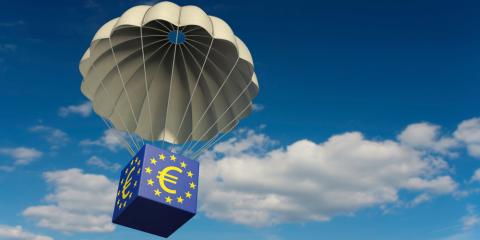
The European Economic and Social Committee has taken a tough stance on breaches of the rule of law in the EU, declaring that it is committed to ensuring that the Council of the European Union and the European Commission impose high dissuasive penalties on Member States which systematically disrespect the rule of law in a way that puts the EU budget at risk.

In the own-initiative opinion Rule of law and the recovery fund adopted at its plenary session on 20 January, the EESC welcomes EU Regulation 2020/2092, which enables the Commission to impose financial penalties for systematic shortcomings in the rule of law in a given EU country, and calls for the regulation to be applied strictly in all areas that are relevant to the budget.

"The rule of law is the indispensable basis for a democratic, pluralistic society in Europe and for the continued existence of the EU," said the rapporteur for the opinion, Christian Bäumler.

In order to tackle systematic failures to comply with the rule of law, the EESC recommends that the EU use all other means of sanction, such as the infringement procedure provided for in Article 263 of the Treaty on the functioning of the European Union and the procedure set out in Article 7 of the Treaty on the European Union.

In the EESC's view, if an EU country systematically violates the rule of law, this always compromises, or at least seriously jeopardises, the implementation of EU-funded programmes and is detrimental to the EU budget. That is why it is essential that all beneficiaries of payments from the Union budget comply with transparency rules and are able to fully demonstrate what the funds are used for.

The national recovery and resilience plans should also spell out the measures that the respective governments will take to strengthen the rule of law.
However, most of the national plans submitted so far include too few initiatives in this regard. Moreover, in its assessment of these plans, the Commission did not attach enough importance to the rule of law, which the EESC finds regrettable.

In the opinion, the EESC urges all Member States to take part in the European Public Prosecutor's Office's enhanced cooperation, and calls for this to become a prerequisite for participating in EU-funded programmes. This cooperation is already starting to yield results and is likely to contribute in the long term to a huge improvement in cross-border criminal prosecution. (ll)


In the European Year of Youth 2022 we should ensure tangible and lasting outcomes for all young Europeans

The European Economic and Social Committee (EESC) has welcomed the designation of 2022 as the European Year of Youth, but feels that it should go beyond mere promotional activities: it should contribute towards the EU's Youth Strategy through clear plans and commitments aimed at achieving tangible results for all young Europeans.

Read more in all languages

The European Economic and Social Committee (EESC) has welcomed the designation of 2022 as the European Year of Youth, but feels that it should go beyond mere promotional activities: it should contribute towards the EU's Youth Strategy through clear plans and commitments aimed at achieving tangible results for all young Europeans.

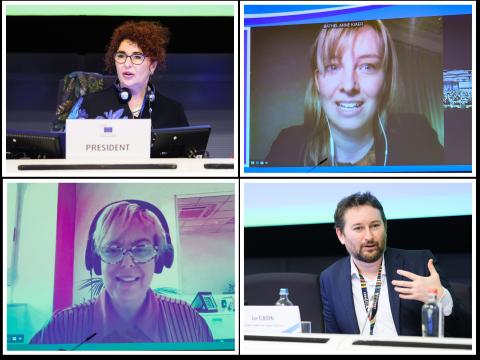
The EESC debated the European Year of Youth 2022 at its January plenary, with the participation of Anne Kjær Bathel, representing the European Young Leaders' programme, Joe Elborn, secretary-general of the European Youth Forum, and Miriam Teuma, chair of the Council of Europe's European Steering Committee for Youth.

"It is essential that young people have a say in formulating today's and tomorrow's policies," said Christa Schweng, president of the EESC. "They are the future, so involving them and investing in them is crucial to building stable, peaceful and sustainable societies and developing policies that meet the specific needs of younger generations."

The EESC is uniquely positioned to work and liaise with youth networks, and is ready and willing to play a leading role in the Year of Youth, building on its successful initiatives such as Your Europe, Your Say!, the Youth Climate and Sustainability Roundtables and the EU Youth Climate Summit that it organises in early summer.

The EESC is looking forward to making a positive contribution to the European Year of Youth 2022. The year must produce tangible outcomes for Europe's young people in policy areas that impact their lives. (ks)


EESC backs priorities of French EU Presidency

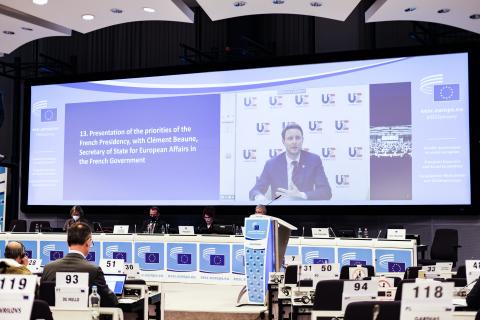
Recovery, strength and a sense of belonging are the three main objectives of the French Presidency, which the EESC shares and supports, as its president Christa Schweng made clear at the January plenary session on 19 January 2022 when addressing the French Secretary of State for European Affairs, Clément Beaune.

Read more in all languages

Recovery, strength and a sense of belonging are the three main objectives of the French Presidency, which the EESC shares and supports, as its president Christa Schweng made clear at the January plenary session on 19 January 2022 when addressing the French Secretary of State for European Affairs, Clément Beaune.

"Looking at your priorities - a more sovereign Europe, a new European model for growth and a humane Europe - I am happy to see that many of these priorities are very similar to those of the EESC", said Ms Schweng, highlighting the EESC's commitment and contribution to shaping a resilient, strong, sustainable and inclusive Europe.

Mr Beaune stressed that the French Presidency would help prepare the Europe of tomorrow, with an eye to 2030, laying the groundwork for far-reaching changes on values, investment, youth, culture and health. Special focus would be placed on promoting the values uniting us all but which had weakened in recent years, perhaps because they were seen as a given, such as the rule of law and democratic values. "We want to foster a sense of belonging and champion our values. There will not be a political project without this common European identity beyond the national identities", he said.

With reference to the upcoming conclusion of the Conference on the Future of Europe, Ms Schweng added that "as the house of Europe's organised civil society, we can be your best allies in this sensitive final phase. Ensuring tangible results and transparent follow-up will be crucial. People will need transparency and seeing that the EU is 'walking the talk'. The role of the French Presidency, therefore, will be key for the Conference's success and for giving the EU back to its citizens."

Mr Beaune pledged that the Conference on the Future of Europe would bring about concrete proposals that "it is essential to implement rapidly, because the Conference cannot be an artificial exercise but is meant to prepare the ground for real reform." (mp)


Sufficient, sustainable and accessible quality care for older people is vital

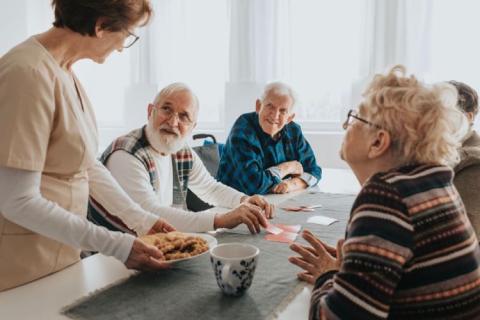
The EESC firmly believes that a care model for dependent older people should be mainstreamed into EU policymaking, given that the proportion of the population aged over 80 is expected to more than double by 2050.


Read more in all languages

The EESC firmly believes that a care model for dependent older people should be mainstreamed into EU policymaking, given that the proportion of the population aged over 80 is expected to more than double by 2050.

The pandemic has revealed failures in this area and the Commission's initiative to establish a new European Care Strategy is a step in the right direction, in the EESC's view. However, consultative institutions and European civil society organisations representing older people have to have a say.

In its own-initiative opinion Towards a new care model for older people: learning from COVID-19, adopted at the January plenary session, the EESC took a closer look at the various models of long-term care for people over the age of 65 who have lost their autonomy or are dependent on institutional care homes.

Miguel Ángel Cabra De Luna, rapporteur for the opinion, stressed: "Care for all older people must be a cornerstone of EU policies, linked to compliance with the European Pillar of Social Rights Action Plan."

The EESC proposed setting up a European Observatory for care for older people, which would make it possible to collect sufficient statistical data, compare good practices between different State models, identify structural weaknesses in national systems, provide technical support to facilitate the adoption of EU political guidelines and help implement the European Pillar of Social Rights.

In addition, the EESC opinion called for a European Year of Older People, as recognition of the fundamental rights of older people and their contributions to society, as laid down in Article 25 of the EU Charter of Fundamental Rights.

During the pandemic, the rights and needs of older people were only partially taken into account, bringing to light the conceptual, structural and functional shortcomings in care models for older people. In a broader context, this situation helped to further highlight the fact that population ageing is a key strategic challenge for the EU and its Member States. (at)


Health and safety at work: new occupational risks call for a strong social dialogue

Despite the shift in occupational risks brought about by the digitalisation of work - which has led to a spike in stress and burnout-induced conditions or ergonomic injuries, and to a slight drop in the number of workplace accidents - social dialogue remains instrumental in promoting occupational safety and health (OSH), the European Economic and Social Committee said in the opinion Social dialogue as a tool to promote health and safety at work.

Read more in all languages

Despite the shift in occupational risks brought about by the digitalisation of work - which has led to a spike in stress and burnout-induced conditions or ergonomic injuries, and to a slight drop in the number of workplace accidents - social dialogue remains instrumental in promoting occupational safety and health (OSH), the European Economic and Social Committee said in the opinion Social dialogue as a tool to promote health and safety at work.

"OSH measures carried out through social dialogue not only contribute positively to workers' health but they can also improve the profitability of businesses and reduce healthcare costs and absenteeism. The cost to society of work-related injury and illness is estimated at EUR 476 billion or 3.3% of EU GDP," said the opinion rapporteur Franca Salis-Madinier.

However, the quality of social dialogue varies in different Member States, making the application of autonomous agreements concluded by social partners in the field of OSH sometimes uneven across the EU.

According to the EESC, European social dialogue should be beefed up to ensure uniform protection of all EU workers.  
The European Commission should therefore set clear criteria to ensure that the agreements signed by social partners are implemented in all Member States, especially with a view to the judgement of the Court of Justice of the EU, which stated that the Commission is not obliged to act on the social partners' requests to implement the agreements.

However, in addition to productive social dialogue, setting the general OSH guidelines requires a strong regulatory framework. Agreements leading to Council directives following a request from both signatory parties seem more effective as they ensure specific action plans in the Member States.
To this end, the EESC calls for new guidelines on telework, a more ambitious position on combating cancer and for EU directives on musculoskeletal disorders (MSDs) and psychosocial risks, which are becoming a major occupational threat to European workers.

The EESC's Employers' Group tabled several amendments to the opinion, voicing its opposition, especially as regards calls for new regulatory measures for instance, to the proposed EU action on MSDs and psychosocial risks, as well as to the drafting of new telework guidelines.

The opinion, which was requested by the French EU presidency, was adopted at the EESC plenary session in January, with 172 votes in favour, 32 against and 70 abstentions. (ll)
 

The EESC calls for financial ombudsmen for SMEs and a small-business-first approach to AI in Europe

The EESC has called for the creation of special ombudsmen to help SMEs in Europe cope with their financial and funding issues. The Committee also stresses that, for SMEs to take up AI, there needs to be the political will to support them in the process.


Read more in all languages

The EESC has called for the creation of special ombudsmen to help SMEs in Europe cope with their financial and funding issues. The Committee also stresses that, for SMEs to take up AI, there needs to be the political will to support them in the process.

At its January plenary, the EESC adopted two reports dealing with some of the most pressing issues impacting SMEs.

In Next Generation SME Strategy – Enhancing Effective and Swift Delivery, the EESC stresses that access to credit, liquidity, cashflow and payments are all critical stumbling blocks for SMEs, especially with COVID - hence the proposal to create a network of financial and funding ombudsmen to:

  • promote SMEs' access to funds;
  • study whether and how intermediary banks use financial instruments to reach the SMEs most in need of financial resources;
  • mediate disputes between SMEs and financing and funding providers.

The EESC also suggests:

  • creating an SME liquidity task force to monitor the European Commission's new measures to improve the short-term liquidity of micro-SMEs;
  • introducing a one-sheet application form to ease the burden for companies with limited human resources and legal teams which wish to apply for EU funds;
  • providing more opportunities for SMEs to bid for and win public contracts in the Member States.

In Developing artificial intelligence in European micro, small and medium-sized enterprises (MSMEs), the EESC stresses that strong political will is needed to overcome the barriers which stand in the way of MSMEs embracing AI.

Political will is needed to build trust, using social partners, chambers of commerce, professional associations and the like to dispel MSMEs' concerns on the ground.

The EESC suggests a set of measures that also require sustained political will - first and foremost:

  • using education and vocational training to promote a general mastery of AI;
  • ensuring that MSMEs have easy access to both public and private funding for AI;
  • guaranteeing infrastructure and connections everywhere;
  • promoting awareness of cybersecurity issues;
  • disseminating best practices and success stories as widely as possible. (dm)

Social economy: adapt investments to drive more funding, says the EESC

New financial instruments are needed if the social economy is to keep growing beyond the stimulus provided by public programmes, says a new report by the EESC, which also calls for financial training to foster private funding.

Read more in all languages

New financial instruments are needed if the social economy is to keep growing beyond the stimulus provided by public programmes, says a new report by the EESC, which also calls for financial training to foster private funding.

The social economy can only attract suitable investments if there are dedicated financial instruments that balance social impact with acceptable returns for investors, and fair risks to social enterprises, the EESC says in an opinion adopted in January.

Rapporteur Giuseppe Guerini said: “There is a real need to facilitate the connection between the world of private investment and the world of the social economy. We believe that too often financial operators treat social economy organisations as high-risk simply because they use tools that are commonly employed to assess other kinds of enterprises”.

Social impact investments should meet the following criteria:

  • have a clear goal to create social impact;
  • support enterprises that are clearly defined as social economy enterprises;
  • set levels of expectation based on fair, sustainable and transparent economic returns, even if lower than market average;
  • allow part of the assets to be reinvested in other investments with social goals;
  • have a measurable impact;
  • be consistent with the values of the enterprise in which they invest.

Sound mutual knowledge is essential to bridging the investment gap.  "Financial actors need to be better supported to understand the realities of social enterprises, and to help the latter understand the world and the instruments of finance", says co-rapporteur Marie Pierre le Breton.

Dissemination of good practices, such as Finland’s Centre of Expertise for Impact Investment, or France's "pay-by-results" investment models, can also help. However, EU-wide indicators must be established to assess impact. These could be objective indicators, such as jobs created, or subjective ones, such as community wellbeing. (dm)


EESC provides recipe for food security and sustainability

In the opinion on Food security and sustainable food systems adopted at its plenary session on 19 January 2022, the EESC identified the key levers for sustainable and competitive EU food production and for reducing dependence on imports while increasing the EU's protein autonomy.

Read more in all languages

In the opinion on Food security and sustainable food systems adopted at its plenary session on 19 January 2022, the EESC identified the key levers for sustainable and competitive EU food production and for reducing dependence on imports while increasing the EU's protein autonomy.

For a comprehensive food policy to be truly relevant for European consumers, it is essential for the price and quality of food produced sustainably in the EU to be competitive. This means that the European agri-food sector is able to deliver food for consumers at prices that include extra costs for criteria such as sustainability, animal welfare, higher input costs, food safety and nutritional value, but also a fair return for farmers, while at the same time maintaining its position as the preferred choice for the vast majority of consumers.

Although the European Green Deal offers an opportunity to reaffirm the "social food contract" between the EU and its citizens through the principles of the Farm to Fork and Biodiversity Strategy, much still remains to be done. "The Commission proposes too few concrete actions to strengthen the agri-food sector and farmers and workers' income, and to promote fair prices and the value of food", stressed the co-rapporteur, Peter Schmidt.

As highlighted by the rapporteur for the opinion, Arnold Puech d'Alissac, "fostering open strategic autonomy, ensuring reciprocity of trade standards, promoting research, enhancing digitalisation, developing innovative technologies and seeds and facilitating access to training for farmers on these new technologies are among the key levers for safeguarding the competitiveness of European producers".

Enhancing EU production of legumes and pulses with high protein content and of oilseed and oilseed cake would benefit EU farmers and have a positive impact on climate, biodiversity and the environment. (mr)

Inland waterway transport needs investment

The EU needs to continuously adapt European transport to current and future needs, especially in view of the changes in demand and the upward trend in seaport turnover. The key features must be multimodality and smart shipping, tapping into the advantages of the various modes of transport to achieve the best possible results, while at the same time increasing safety and reducing the environmental burden.


Read more in all languages

The EU needs to continuously adapt European transport to current and future needs, especially in view of the changes in demand and the upward trend in seaport turnover. The key features must be multimodality and smart shipping, tapping into the advantages of the various modes of transport to achieve the best possible results, while at the same time increasing safety and reducing the environmental burden.

This is the main message of the opinion drafted by Mateusz Szymański and adopted at the EESC's January plenary session, addressing the Commission's Communication on "NAIADES III: Boosting future-proof European inland waterway transport".

Speaking on the sidelines of the meeting, Mr Szymański said: "NAIADES III is an important action plan. The EESC supports efforts to increase the share of inland waterway transport (IWT) in passenger and freight transport. There is huge potential in this area, which is still lying dormant. We need political will and commitment at many levels to set up support measures for the development and maintenance of infrastructure and the promotion of IWT as a career sector. The TEN-T network also needs to be updated to respond to new transport trends." (mp)


The outermost regions are key to the future of the EU

In an exploratory opinion requested by the French presidency of the Council of the EU, the EESC calls on the European Commission to consider the substantial benefits that the outermost regions can bring to the future of Europe.


Read more in all languages

In an exploratory opinion requested by the French presidency of the Council of the EU, the EESC calls on the European Commission to consider the substantial benefits that the outermost regions can bring to the future of Europe.

The Commission should take appropriate measures to ensure that these regions do not miss out on the post-COVID-19 recovery or on the climate, social and digital transitions. The EESC suggests new key steps for food and energy autonomy in the outermost regions, the green transition, sustainable tourism, social inclusion, the involvement of civil society, skilling and the problem of water and sanitation.

Rapporteur Joël Destom said, "The outermost regions should be viewed as test beds for promoting progress on a global scale, and can become models that can be replicated".

Co-rapporteur Gonçalo Lobo Xavier said, "The EESC calls for digital access in the outermost regions to be ensured, and for a major project for access to water and sanitation to be included in the next operational programmes". (tk)


EESC suggests key additions to the Commission's recommendations on euro-area economic policy for 2022

In January 2022, the EESC adopted an opinion addressing the European Commission's recommendations on euro-area economic policy for 2022, taking account of the current circumstances.


Read more in all languages

In January 2022, the EESC adopted an opinion addressing the European Commission's recommendations on euro-area economic policy for 2022, taking account of the current circumstances.

Rapporteur Juraj Sipko commented: "One of the main challenges for the euro zone economy is how to deal with the accumulation of high levels of public debt, the high level of inflation and how to continue the transformation process towards a green and digital economy, while also focusing on social stability".

The EESC is of the opinion that the EU's Stability and Growth Pact is no longer suited to these conditions. The banking union project must advance faster and the Capital Markets Union needs to be completed. The EESC is also concerned about deepening social instability and calls for new, more appropriate indicators for inequality and poverty. (tk)


EESC warns of the possible negative socio-economic impact of the energy product taxation proposal

In an opinion adopted in January 2022, the EESC welcomes the European Commission's objective of clarifying and updating the existing EU framework and of structuring European taxation in a way that favours sustainable non-fossil energy.


Read more in all languages

In an opinion adopted in January 2022, the EESC welcomes the European Commission's objective of clarifying and updating the existing EU framework and of structuring European taxation in a way that favours sustainable non-fossil energy.

The EESC is concerned, however, at the possible negative socio-economic impact of some of the measures found in the European Commission's Proposal for a Directive.

"We call for a more flexible attitude on admissible biofuels and their taxation" says rapporteur Stefan Back.

The Committee also recommends using the concept of "energy poverty", rather than "vulnerable households", calls for environmental taxes to be returned to the people most heavily affected, and believes in adjusting the EU pricing system to reflect the price of all forms of energy.

"The EESC also regrets that proper measures to avoid mobility poverty are not included in the proposal" adds co-rapporteur Philippe Charry. (tk)

Access to raw materials is becoming fundamental for the success of the twin transition

The key role of raw materials was discussed at a high-level conference hosted by the EESC on 31 January. The conference focused specifically on two main aspects: the essential role that critical raw materials play in securing the EU's strategic autonomy in the green and digital transition and the importance of circularity in creating a market for secondary raw materials in Europe.

Read more in all languages

The key role of raw materials was discussed at a high-level conference hosted by the EESC on 31 January. The conference focused specifically on two main aspects: the essential role that critical raw materials play in securing the EU's strategic autonomy in the green and digital transition and the importance of circularity in creating a market for secondary raw materials in Europe.

"For most raw materials, Europe is heavily dependent on the rest of the world. Europe must lead the way in demonstrating that this industry can be sustainable in environmental and human terms," said EESC president Christa Schweng, who also stressed the need for strategic partnerships with like-minded countries around the world.

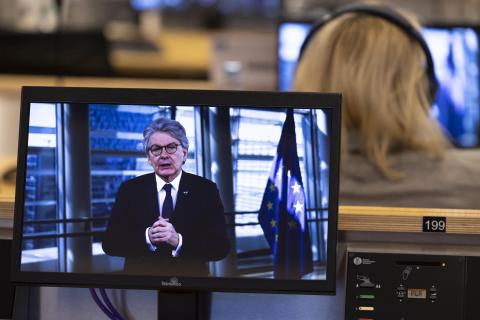
Thierry Breton, European Commissioner for the Internal Market, addressed the conference through a video message and said, "We will need 60 times more lithium by 2050 for electric batteries for vehicles. I have no doubt that the circular economy will become the new modus operandi for raw materials. It will be another crucial tool at our disposal to ensure the security and resilience of our supply chains. The EESC and the European Commission are on the same page".

Agnès Pannier-Runacher, French Secretary of State for Industry, recognised critical raw materials as a key issue for Europe's autonomy in the transition to a green and digital economy based on a circular model. With Europe's energy autonomy featuring among the priorities of the French presidency of the Council of the European Union, "we cannot allow our dependence to shift from fossil fuels to a new dependence on these strategic metals", she said.

The panellists agreed that Europe must show global leadership in this area by raising its environmental, social and governance standards to unprecedented levels.
"The EESC is fully aware of the urgent need to address the issue. The EESC believes that the actions envisaged by the European Commission are essential if we are to maintain and strengthen the EU's industrial base," said the president of the EESC's Consultative Commission on Industrial Change, Pietro Francesco De Lotto, who chaired the conference.

In conclusion, public institutions must continue to join forces and act and civil society must continue its involvement in this area. (ks)

News from the Groups

The Green Deal will change everything, geopolitics included

By Dimitris Dimitriadis, member of the EESC Employers' Group and president of the EESC External Relations Section

With its objective to decarbonise the EU economy, the European Green Deal is a game-changer that will revolutionise our economy, our society and our relations with the rest of the world.

Read more in all languages

By Dimitris Dimitriadis, member of the EESC Employers' Group and president of the EESC External Relations Section

With its objective to decarbonise the EU economy, the European Green Deal is a game-changer that will revolutionise our economy, our society and our relations with the rest of the world.

With COP26, the urgency to act has finally been recognised by everyone. Meanwhile, the EU is still a frontrunner in this race against the clock: it is Europe's role to lead by example. It is also in our interest to modernise our economy quickly, remaining or becoming a world leader in recycling and the circular economy, carbon capture in the atmosphere, green hydrogen, solar and wind power plants.

Europe is the biggest global market, and the effects of us moving towards net-zero emissions, shifting from fossil fuels to renewables, and reducing energy dependency, will be felt everywhere. Just think of our oil and gas imports from Russia and Algeria.

In line with our traditional commitment to multilateralism, we need to consider repercussions on third countries and we must help the weaker countries, those that have contributed less to global warming but will pay a higher price for its consequences. Equally, the EU should start immediate negotiations with our closest neighbours, to help them reach their goals within the right timeframe.

The United States is still wary of our Carbon Border Adjustment Mechanism, which they view as a possible protectionist measure. On the other hand, Europe cannot give up the mechanism as it is our way of preventing carbon leakage.

Concerning dependency from abroad, there is also the burning issue of critical raw materials. China provides 95% of all rare earths used in the world for new technologies. It is time to act and diversify our supply sources.

We have the science, technology, funding possibilities and ideas. What we don't have is time: the EU must act fast, and the EESC will follow developments, voicing the opinions and ideas of civil society at all stages.

Find the full article here: europa.eu/!39cXrP (kr)


Social dialogue as a tool to promote health and safety at work

By the EESC Workers' Group

At a time when different types of crises and transitions are affecting the world of work, social dialogue can be instrumental in achieving three key objectives: anticipating and managing the changes brought about by the green, digital and demographic transitions; improving the prevention of workplace accidents and work-related illnesses; and preparing for any potential future health crises.


Read more in all languages

By the EESC Workers' Group

At a time when different types of crises and transitions are affecting the world of work, social dialogue can be instrumental in achieving three key objectives: anticipating and managing the changes brought about by the green, digital and demographic transitions; improving the prevention of workplace accidents and work-related illnesses; and preparing for any potential future health crises.

Together with social dialogue, where necessary, new regulatory measures must be adopted by the European Union, as well as guidelines for cases like teleworking and an update of the European Framework Agreement from 2002.

The pandemic is an opportunity to create a new collective ability to tackle future crises and mitigate their impact on occupational safety and health. The recovery plans should make it possible to strengthen the role of the social partners in those Member States where they have the least influence.

Τhe cost of work-related illnesses such as heart disease and burnout must be thoroughly monitored in order to pinpoint appropriate measures at the appropriate level in line with Vision Zero, aiming at eliminating work-related deaths in the EU.

Occupational safety and health measures carried out through social dialogue contribute positively to workers' health, can improve the profitability of businesses, and reduce healthcare costs and absenteeism. The cost to society of work-related injury and illness is estimated at 3.3% of EU GDP (EUR 476 bn), amounting to more than half of the recovery plan funds.

This is why we have to create a culture of prevention and this should involve training the parties involved in social dialogue, raising awareness of emerging risks and bolstering and disseminating the resources available.

Bipartite negotiations between the European social partners are of paramount importance when it comes to tackling occupational safety and health problems. However, the application of autonomous agreements is sometimes uneven, varying in line with the relative strength of the social dialogue and the diversity of the industrial relations systems in the Member States. This is why regulation is needed in certain areas, such as for psychosocial risks and musculoskeletal disorders. (prp)


Diversity Europe Group members voice their expectations for the French Presidency

By the EESC Diversity Europe Group

As the French Presidency of the Council of the European Union gets going, French members of the Diversity Europe Group share their hopes about this semester, from empowering European democracy to shifting the focus from the EU to Europe's people.

Read more in all languages

By the EESC Diversity Europe Group

As the French Presidency of the Council of the European Union gets going, French members of the Diversity Europe Group share their hopes about this semester, from empowering European democracy to shifting the focus from the EU to Europe's people.

Since 1 January 2022, France has been holding the six-month Presidency of the Council of the EU. One of its priorities will be strengthening European democracy. The French Presidency's programme has been built around three key objectives, including a humane Europe that listens to citizens' concerns in the framework of the ongoing Conference on the Future of Europe (CoFoE).

Representing civil society organisations, the EESC supports this objective and is actively involved in the Conference. The French members of its Diversity Europe Group have many expectations.

Dominique Gillot (FG PEP, CNCPH) expects "the reaffirmation of the idea of an inclusive Europe, in terms of solidarity and health, full citizen participation, and special attention paid to people living with a disability and to the elderly".

Patricia Blanc (Imagine for Margo – Children without cancer) believes that COVID-19 has placed health at the heart of public concern. She urges: "Let's not forget that cancers and rare illnesses affect millions of people in Europe each year."

Joël Destom (MIAG, AG2R La Mondiale)  hopes that "the French Presidency's keywords, which are recovery, belonging, power, and social, digital and climate issues, resonate even louder in the overseas territories."

Arnaud Schwartz (FNE) wants the French Presidency to be "ambitious in its discourse but also in its actions, by correctly implementing environmental legislation".

Laurence Sellos (Chambre d’Agriculture de Seine Maritime) fears that the farming Green Deal, as it stands, will drastically lower European production. "We urge the French Presidency to review this position so that science helps agriculture to accelerate its agro-ecological transition and helps us address the challenge of climate change," Ms Sellos said.

Finally, Thierry Libaert (FNH) believes that "Europe represents a formidable ambition that has lost momentum. It seems opaque." He said: "The French Presidency of the EU is an excellent opportunity to try and reconnect citizens with Europe. So, let's talk less about Europe, and more about Europeans."

Visit the website of the Committee to learn more about the work of the Diversity Europe Group relating to the CoFoE and in the context of the French Presidency. (jk)

 

Soon in the EESC/Cultural events

"Stay with us": the aftermath of Croatia's earthquake in pictures

The EESC is hosting a photo exhibition to mark one year since the catastrophic earthquake that hit Croatia in December 2020.

Read more in all languages

The EESC is hosting a photo exhibition to mark one year since the catastrophic earthquake that hit Croatia in December 2020.

Entitled "Stay with us", this collection of 25 photographs is a call that raises awareness of the devastating impact of natural disasters on all kinds of human, social and commercial activities.

The photos show craftsmen who lost their workshops and had no means to carry on their activities, but who kept inspiring people with their example, staying united and positive.

The images focus on the regions of Sisak, Petrinja, Glina and the surrounding areas, the ruins left behind and the countless issues that still need to be addressed for a return to normality, one year since the earth shook.

The exhibition will run from 15 February to 15 March 2022 and will be staged 100% virtually on the EESC's website. (ck)


The Circular Economy goes musical

On 2 March the EESC will host a special show entitled "Music with Trash" as part of its Circular Economy Stakeholder (ECESP) Conference 2022.

Read more in all languages

On 2 March the EESC will host a special show entitled "Music with Trash" as part of its Circular Economy Stakeholder (ECESP) Conference 2022.

The show will be performed by international percussion trio TrashBeatz. It will combine circular economy workshops with music made using waste.

"We give trash a second life by playing music with instruments made out of trash", say TrashBeatz.

Nothing could have been more suitable to artistically partner this year's hybrid ECESP conference, which is entitled "Towards a new normal: Sustainable products for sustainable consumption".

The annual ECESP conference will take place on 1 and 2 March and will be hosted jointly by the EESC and the European Commission. More information on the event can be found on the ECESP website. (ck)


"The truth about lies" soon to be uncovered

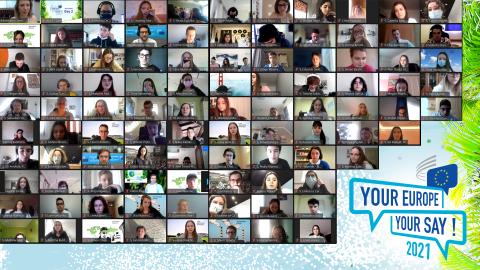
While the EESC is getting ready to welcome 99 secondary school students and their accompanying teachers to its 2022 youth event, entitled "The Truth about Lies. Youth challenging Disinformation", EESC members acting as mentors to the students are visiting the selected schools to meet and exchange with the delegations who will participate in YEYS.


Read more in all languages

While the EESC is getting ready to welcome 99 secondary school students and their accompanying teachers to its 2022 youth event, entitled "The Truth about Lies. Youth challenging Disinformation", EESC members acting as mentors to the students are visiting the selected schools to meet and exchange with the delegations who will participate in YEYS.

These meetings feature on the interactive platform of the Conference on the Future of Europe under the Youth and Participatory Democracy chapters.

"The Truth about Lies. Youth challenging Disinformation" is the title chosen for this year's "Your Europe, Your Say ", the EESC's flagship event for youth. It will take place fully remotely on 31 March and 1 April 2022. The programme is now available online. (ck)


Civil Society Days 2022

Entitled "The EU as a driver of shared prosperity – civil society for an economy that works for people and the planet", the 2022 Civil Society Days will be held on 15-17 March 2022.


Read more in all languages

Entitled "The EU as a driver of shared prosperity – civil society for an economy that works for people and the planet", the 2022 Civil Society Days will be held on 15-17 March 2022.

Taking place at a crucial time for Europe, with the COVID-19 pandemic still on-going and the Conference on the Future of Europe in its closing stages, the CIVIL SOCIETY DAYS 2022 will explore how to make Europe more resilient through a just transition that benefits both people and the environment, and at the same time increases European prosperity.

Such a transition should also defend and promote the EU's fundamental rights and principles: democracy, human rights, social justice, solidarity and equality. 2021 has proved to be an endurance test in this regard. As advocates, change-makers and guardians of the common good, civil society organisations play a crucial role in defending these values at all levels.

In seven interactive workshops in hybrid or fully online format, the following key topics will be explored:

  • Upskilling opportunities for all;
  • Intergenerational Dialogues among European Union Entrepreneurs;
  • Volunteers for prosperity;
  • An enabling environment for civil society: the case for meaningful participation;
  • Building a democratic economy for a just transition;
  • A green social market economy for the Future of Europe;
  • The Future of Social Protection and the European Welfare State: the case of minimum income schemes and access to quality social services.

The workshops will be introduced and wrapped up by two high-level panel discussions at the opening and closing sessions respectively.

The 2022 Civil Society Days are organised by the European Economic and Social Committee, in cooperation with its Liaison Group.

For more information on the programme, speakers and workshops, please check the regularly updated webpage of the event and follow us on twitter @EESC_LiaisonG #CivSocDays. (ks)

Editors

Ewa Haczyk-Plumley (editor-in-chief)
Daniela Marangoni (dm)
 

Contributors to this issue

Amalia Tsoumani (at)
Chrysanthi Kokkini (ck)
Daniela Marangoni (dm)
Daniela Vincenti (dv)
Ewa Haczyk-Plumley (ehp)
Jasmin Kloetzing (jk)
Karen Serafini (ks)
Katharina Radler (kr)
Katerina Serifi (ks)
Laura Lui (ll)
Marco Pezzani (mp)
Pablo Ribera Paya (prp)
Thomas Kersten (tk)


Coordination

Agata Berdys (ab)
Katerina Serifi (ks)

Technical support
Bernhard Knoblach (bk)
 

Address

European Economic and Social Committee
Jacques Delors Building,
99 Rue Belliard,
B-1040 Brussels, Belgium
Tel. (+32 2) 546.94.76
Email: eescinfo@eesc.europa.eu

EESC info is published nine times a year during EESC plenary sessions. EESC info is available in 23 languages
EESC info is not an official record of the EESC’s proceedings; for this, please refer to the Official Journal of the European Union or to the Committee’s other publications.
Reproduction permitted if EESC info is mentioned as the source and a link  is sent to the editor.
 

February 2022
03/2022

Follow us

  • Facebook
  • Twitter
  • LinkedIn
  • Instagram