Newsletter Info

EESC info

European Economic and Social Committee A bridge between Europe and organised civil society

JUNE 2021 | EN

GENERATE NEWSLETTER PDF

Available Languages:

  • BG
  • CS
  • DA
  • DE
  • EL
  • EN
  • ES
  • ET
  • FI
  • FR
  • GA
  • HR
  • HU
  • IT
  • LT
  • LV
  • MT
  • NL
  • PL
  • PT
  • RO
  • SK
  • SL
  • SV
The home of EU organised civil society is more important than ever

The home of EU organised civil society is more important than ever

Dear readers,

May is traditionally the month when we take stock of the progress made in European integration and at the same time look to the future.

On Sunday 9 May, as every year, we celebrated Europe with a special day full of activities. For the second year in a row, we held a completely virtual version of our institution's Open Day, showcasing the EESC's invaluable contribution to the EU decision-making process and explaining why, especially in these difficult and challenging times, civil society organisations play a key and unique role in the EU.

Read more in all languages

Dear readers,

May is traditionally the month when we take stock of the progress made in European integration and at the same time look to the future.

On Sunday 9 May, as every year, we celebrated Europe with a special day full of activities. For the second year in a row, we held a completely virtual version of our institution's Open Day, showcasing the EESC's invaluable contribution to the EU decision-making process and explaining why, especially in these difficult and challenging times, civil society organisations play a key and unique role in the EU.

Europe Day marks the date of the Schuman Declaration, when it all began for today's European Union 71 years ago, and is first and foremost a celebration of peace and unity in Europe. It is an opportunity to feel a sense of togetherness and being part of something bigger, but also the chance for all of us to reflect on what solidarity has built so far and what we hope to achieve in the future. We must not forget that the greatest challenges that we face as a society require us to work together.

Europe Day is also a time to reflect on today's heroes: medical staff, teachers, social workers, cleaning staff and all those involved in fighting the dramatic consequences of the pandemic. But also associations, organisations and NGOs working hard every day on the frontline to improve people's lives. In short, we think of the entire range of organised civil society.

When we talk about civil society organisations, we are talking about us, the EESC, the home of EU organised civil society, the EU body which gives a voice to all these organisations and makes it possible for them to have a direct impact on EU legislation.

We particularly value their contribution and for this reason, at the Committee, we flag up excellence in civil society initiatives every year through the Civil Society Prize. The 2021 edition will focus on climate action and will reward those effective, innovative and creative projects which aim to promote a just transition towards a low-carbon and climate-resilient economy. I encourage everybody to take a look at the terms for applying and submit your application without hesitation. The deadline is 30 June 2021.

On 9 May, we also looked to the future, contributing to the historic launch of the Conference on the Future of Europe, which will bring together all the ideas and visions for our continent. This is extremely important, because it is where people will be able to express their views and, through a number of citizen-led dialogues, shape our common European destiny.

At the moment, the Union's democratic institutions are facing a double challenge: striving to tackle the economic and health crisis on the one hand, while retaining citizens' support on the other. Against this backdrop, claims that the EU is not listening to its citizens have highlighted the need to boost dialogue and give civil society in Europe a broader public space in which to have its say.

The role of our institution has never been so crucial: we all know that giving a voice to civil society is a key factor in overcoming the difficult times that Europe is facing today. The Conference on the Future of Europe is therefore a vital opportunity for civil society to mobilise and make sure its voice is heard, stepping up participation. And that is exactly the point: participatory democracy. The two go hand in hand: there is no democracy without participation and there is no participation without active civil society organisations.

The Committee has a responsibility and fundamental role in establishing and nourishing the bedrock of our democracies: a civil dialogue that is as broad and participatory as possible. Through our structure, our members' hands-on knowledge and expertise, and our role as a bridge between the EU institutions on one hand and the grass-roots level on the other, we are ready to put forward the most fitting responses to today's challenges in society.

Now more than ever, civil society organisations are playing an essential role in Europe, from their involvement in the recovery to their vital work in dealing with our day-to-day challenges.

Now more than ever, the EESC is making a difference.


Cillian Lohan

EESC vice-president for communication


Diary Dates

3-4 June 2021, Brussels

ECI Day 2021

10 June, Brussels

EESC event: the Conference on the Future of Europe

7- 8 July 2021, Brussels

EESC plenary session

13 July, Brussels

Industrial strategy: The role of critical raw materials to form a strong industrial base

One question to...

One question to….

In our "One question to…" section, we ask EESC members to respond to a topical question that seems to us to be particularly relevant.

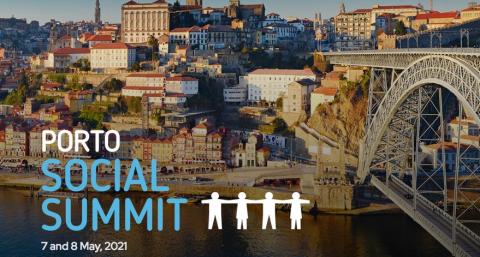
For the May/June edition, we asked Laurenţiu Plosceanu, president of the Section for Employment, Social Affairs and Citizenship, to comment on the social issues discussed at the Porto Social Summit, particularly in the context of the EESC's work in the coming years.

EESC info question: On 7 and 8 May, heads of state or government and social partners attended the Social Summit in Porto, hailed as a potentially historic moment for Europe's commitment to social rights. The goal was to provide a strong political impetus for the European Pillar of Social Rights and the implementation of its Action Plan, aimed at boosting employment and ensuring equal opportunities and social protection for all. With regard to the outcomes of this summit and the social issues discussed there, what tasks do you see as most important for the EESC in the coming years?

Read more in all languages

In our "One question to…" section, we ask EESC members to respond to a topical question that seems to us to be particularly relevant.

For the May/June edition, we asked Laurenţiu Plosceanu, president of the Section for Employment, Social Affairs and Citizenship, to comment on the social issues discussed at the Porto Social Summit, particularly in the context of the EESC's work in the coming years.

EESC info question: On 7 and 8 May, heads of state or government and social partners attended the Social Summit in Porto, hailed as a potentially historic moment for Europe's commitment to social rights. The goal was to provide a strong political impetus for the European Pillar of Social Rights and the implementation of its Action Plan, aimed at boosting employment and ensuring equal opportunities and social protection for all. With regard to the outcomes of this summit and the social issues discussed there, what tasks do you see as most important for the EESC in the coming years?

Laurenţiu Plosceanu: "There is no social dimension without a solid economic foundation"

In a way, we have all became prisoners during these "polypandemic" times – prisoners of our fragility, our fears, our hopes…

After all, the coronavirus has sparked multiple pandemics that are not only occurring simultaneously but are also reinforcing each other in their detrimental effects.

From this perspective, the May 2021 Porto Social Summit marks a courageous step forward by the European institutions and European social partners.

Read more in all languages

In a way, we have all became prisoners during these "polypandemic" times – prisoners of our fragility, our fears, our hopes…

After all, the coronavirus has sparked multiple pandemics that are not only occurring simultaneously but are also reinforcing each other in their detrimental effects.

From this perspective, the May 2021 Porto Social Summit marks a courageous step forward by the European institutions and European social partners.

Now, we have a strong roadmap that should quickly guide Member States and the EU towards major structural reforms, productive investment, growth, competitiveness, employment and greater well-being for EU citizens.

There is no social dimension without a solid economic foundation. Competitiveness and higher productivity, and health and safety based on skills and knowledge are the key to maintaining the well-being of European societies. Economic growth and a well-functioning internal market are prerequisites for strengthening the EU's social dimension. Now is the time to reinforce the strengths of our European social market economy system while removing its weaknesses.

Our Europe is and always has been social. Our social market economy is a global beacon – admired by many, envied by some. There is a wide-ranging social acquis framework which, whilst laying down founding principles, guides, complements and coordinates Member States' social legislation and policies.

When it comes to implementing the European Pillar of Social Rights (EPSR), the Action Plan presented by the Commission provides useful guidance, including in the areas of employment, skills, health and social protection.

Any initiative or measure included in the Action Plan must be taken at the right level, keeping in mind and fully respecting the different competences, powers and clearly defined roles the EU, Member States and social partners have as regards employment and social policy.

This means strictly respecting the principles of subsidiarity and proportionality, the different socio-economic environments and the diversity of national systems, including the role and autonomy of social partners.

I particularly welcome the fact that the Porto Declaration and the Action Plan focus on jobs and skills. Competitive sustainability is at the heart of Europe's social market economy as stated in the Action Plan's introduction. A strong and resilient economy, based on implementing sound economic policies across Europe and on unleashing the productivity potential of a skilled innovative workforce, is the only foundation for a truly inclusive and social dimension in Europe.

The green and digital transitions will require more investment in education, vocational training, lifelong learning, upskilling and reskilling, i.e. an improved and pragmatic approach to education and skilling.

From the SOC section's perspective, the political priorities and the action plan for this year are in line with the Porto Summit's conclusions. We are committed to continuing working hard and delivering the necessary opinions on behalf of the social partners and civil society organisations. The EESC has to enhance its proactive role in order to defend and preserve the EU's values.

If anyone needed another reason why EU Member States should coordinate measures at EU level more durably and deeply in order to face crises, just think of the consequences of isolated measures in a "polypandemic" context. If not in the name of European integration, there should at least be a sense that nations would not be able to handle this crisis any better on their own.

In a way, we have all became prisoners during these "polypandemic" times – prisoners of our fragility, our fears, our hopes…

We have to escape now, out of respect for the legacy of our ancestors, and for the next generation.


Laurenţiu Plosceanu

SOC section president


Guess who is our guest..

The surprise guest

Every month we present a surprise guest, a well-known person who gives us their point of view on current events: a breath of fresh air to broaden our horizons, inspire us and make us more aware of today's world.

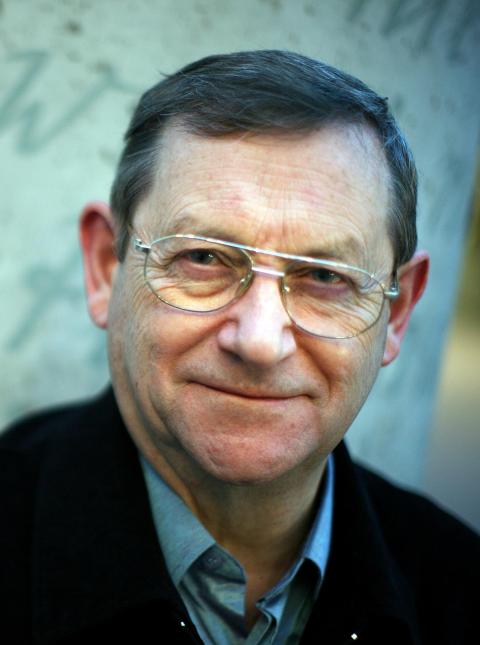
For our June edition, we are pleased to welcome the renowned historian, Norman Davies, who has kindly accepted to be interviewed by EESC info.

Read more in all languages

Every month we present a surprise guest, a well-known person who gives us their point of view on current events: a breath of fresh air to broaden our horizons, inspire us and make us more aware of today's world.

For our June edition, we are pleased to welcome the renowned historian, Norman Davies, who has kindly accepted to be interviewed by EESC info. A great specialist in European history, in particular of Britain, Poland and Central and Eastern Europe, Professor Davies is the author of several bestsellers, such as Europe: A History, God's Playground, Rising 44, Europe at war 1939-45 and Microcosm: Portrait of a Central European City. Professor Davies is also a Visiting Professor at the College of Europe.

Norman Davies, born in 1939 in Bolton (Lancashire) was educated at Bolton School, Magdalen College, Oxford, the University of Sussex and at several continental universities including Grenoble, Perugia and Krakow. His formative years gave him a lifelong European outlook. He was for many years Professor of History at the School of Slavonic and East European Studies, University of London, and has also taught at the universities of Columbia, McGill, Hokkaido, Stanford, Harvard, Adelaide, and the Australian National University, Canberra. 

Professor Davies is the author of White Eagle, Red Star: the Polish-Soviet War, 1919-20 (1972), God’s Playground: A History of Poland (1981), the No.1 bestseller Europe: A History (1996),  The Isles: A History (1998), Microcosm: Portrait of a Central European City (with Roger Moorhouse, 2002),  Rising ’44, the Battle for Warsaw (2003),  Europe at War, 1939-45 (2006) and Vanished Kingdoms (2011). His books have been translated into more than twenty languages, and he is a regular broadcaster. 

From 1997 to 2006, Norman Davies was a Supernumerary Fellow at Wolfson College, Oxford, and is now an Honorary Fellow at St. Antony’s College, Oxford and Unesco Professor at the Jagiellonian University, Krakow. He has been a Fellow of the British Academy since 1997 and since 2011 of the Learned Society of Wales. He has been awarded Poland’s Order of the White Eagle and in Britain the CMG for services to history. He holds honorary doctorates from several universities in Britain and Poland, as well as the honorary citizenship of five cities, and is a life member of both Clare Hall and Peterhouse Cambridge.

Professor Davies lives in Oxford and Krakow with his wife, Maria, and has two grown sons, Daniel and Christian (ehp).

Norman Davies: Things that don't hold together will fall apart

"All my life, I have been intrigued by the gap between appearances and reality. Things are never quite as they seem", Norman Davies.

EESC info: Europe is at a turning point, preparing the Conference on the Future of Europe. In the course of the changes that have taken place in parallel with the pandemic crisis, some centrifugal forces have come to light, especially in Central and Eastern Europe, which may challenge European integration. How would you comment on this?

Read more in all languages

"All my life, I have been intrigued by the gap between appearances and reality. Things are never quite as they seem", Norman Davies.

EESC info: Europe is at a turning point, preparing the Conference on the Future of Europe. In the course of the changes that have taken place in parallel with the pandemic crisis, some centrifugal forces have come to light, especially in Central and Eastern Europe, which may challenge European integration. How would you comment on this?

Norman Davis: As a historian, I should start by saying we are always at a turning point. There is always something changing, moving in different directions than one had thought. Actually, among the changes happening in western Europe in the last five years, the departure of the UK from the Union is the biggest. And in my view, the UK is disintegrating. I think there soon won't be a UK; something else will take its place. As for central Europe, we had no idea that a substantial part of the population was dissatisfied with the changes after 1989, and, of course, we had no name for that dissatisfaction. We hadn't heard of populism at that time. Furthermore, we didn't realize that things that started happening in Poland had parallels in other countries. There was no President Trump, no danger of Brexit at that time. Now we know we were wrong. These populist trends have parallels in many countries. The European Union itself, and international stability in general, are very much in question at the present time.

On the issue of centrifugal forces within the EU, I would say that those forces, which undoubtedly exist, are not located exclusively around Hungary and Poland; they can also be found in the heart of the eurozone, pulling the richer countries of northern Europe away from the more fragile economies of the South.                                                                                                            

EESC info: We are talking about the Conference on the Future of Europe. In your view, what should be the most important element of the EU's work?

N.D: The most important element is the culture of cooperation, which opposes the older idea that individual nations are allowed to follow, as the French once called it, their "égoisme sacré", the sacred selfishness of individual countries, which was once the norm. World War II showed that the right to behave selfishly, and to pursue one's "national interests" regardless, was (and still is) destructive to all; the culture of cooperation as opposed to national egoism is the most precious achievement of the European community. It is quite clear that some of the governments and groups want to return to the pursuit of their national interests. But I am deeply convinced they are mistaken. If I may use an old English phrase, "if we don't hang together, we'll all hang separately". And this is the clue to the survival of the EU movement and of the long peace we have enjoyed.

EESC info:  President François Mitterrand and Chancellor Helmut Kohl are well-known as two of history's major political figures. In your view, are there a couple of similar countries that could lead the way against national egoism? Who can be a leader in the EU?

N.D: No, I think that the leadership in the EU has been weak, we have seen that with the pandemic, which has not been well- managed in Europe. Franco-German leadership may have been essential at the beginning of the European movement 50 years ago. In the Europe of the Six, France and Germany were by far the largest members – if that's not too hard on Italy – and it was natural that France and Germany, who led the process of post-war reconciliation, should have provided the initial drive for the project. But that it is no longer the case. There are 27 members now, and a need for greater cohesion. Hopefully, leadership will emerge from different sources and not be merely Franco-German. There are good reasons for that.

France is one of the countries most threatened by populism. Marine Le Pen is on the march and Mr Macron is not very strong politically. It's unlikely that France will be able to take the lead. Similarly, Germany is in considerable turmoil with the departure of Angela Merkel. Europe must find effective leadership elsewhere very soon. Otherwise, the future will be a scene from a talk show rather than an action programme.

EESC info: What is your opinion of civil society's role in the debate on the Future of Europe? On 19 April 2021, the European Commission and the European Parliament launched a platform for citizens asking them to send their questions about their dreams on the future of Europe. What role do you think citizens can play in this debate?

N.D: Obviously society has a role to play, but society generates thousands of different opinions and cannot ever produce effective action on its own. Society has to be led by political leaders, who understand people's fears and aspirations, but in the absence of this leadership society itself falls victim to charlatans and extremists. Clearly, it is a good thing to solicit citizens' views but the political game demands more. Society has to be inspired and mobilised by dynamic leaders, parties, movements and of course good ideas.

EESC info: What is your view on the possible results of the Conference on the Future of Europe? Any prospects for progress during the French Presidency? Do you remember what happened after the 2002-2003 European Convention chaired by President Giscard d'Estaing, which produced a European Constitution only to see France and the Netherlands vote "No" in 2005?

N.D: I am a historian, not an astrologist. I can't tell you what will happen in the future but in general, conferences are not decision-making bodies, unless they are executive conferences like Yalta or Potsdam, which made important international decisions. What most conferences can do is to set the mood, set the political climate, the atmosphere, encouraging or discouraging the participants. Hopefully, a good conference will improve the mood and encourage leaders to engage in action.  But in themselves they rarely do.

Yes, I remember Mr Giscard d'Estaing well. (He came from a village in Auvergne where I had some good friends.) But can the failure of the EU Constitution be blamed on the Convention? There was more to it than that. Someone did not do their homework.

EESC info: 1 May was the 17th anniversary of the EU enlargement, 10 new Member States joined the EU followed by three others later on. Seventeen years after this accession what is your view on this development?

N.D: The great enlargement carried many high hopes, namely that peace and prosperity – which western Europe had been blessed with for the previous 30-40 years – would spread to the other end of the continent, and in many ways this has been true. And it is very hard to believe that some countries which voted for enlargement, for joining the EU with massive support from the population, today have governments with completely the opposite beliefs. I talked earlier about the culture of cooperation as opposed to national egoism, but this lesson has not been learned by everyone.

EESC info: As a British citizen, you are now living in a third country, what lessons can Europe learn from Brexit?

N.D: I wish I knew. In my view Brexit was a terrible mistake, and will probably destroy the country in which I was born. Incidentally, I am also a Polish citizen, and my wife is Polish. We have a foot in both camps. As I always tell my Polish friends, the situation in Poland might be bad, but it is not as threatening as in Great Britain. Poland is not going to disintegrate any time soon, but the UK will probably do. I had an online lecture a couple of days ago for an audience in the city of Armagh in Northern Ireland; and the trajectory is quite clear; the trend in Northern Ireland is moving towards joining the Republic. Brexit destroyed the union with the EU, but it is also destroying England's union with Northern Ireland and Scotland, and in due course with Wales. Brexit was driven from the start by selfish English nationalism, and will end up producing a poorer, weaker England, stripped of the support of other neighbour nations on our Isles. Things that don't hold together will fall apart. My view is that all these populist movements, are, as one says, "sawing off the branch of the tree on which they are sitting", preparing a disaster for themselves. As yet, I can't see which way things are moving in the EU, except to say that it has lots of problems. Prior to Brexit, there was a race on between the UK and the EU, "which one will collapse first". After Brexit, I know that the UK is winning that miserable race: the EU is not likely to collapse before the UK does. Sitting on this island I have feelings of envy that Europe' s problems are less acute than ours.

EESC info: Can we follow how President Joe Biden is handling rapid changes and reforms in the United States. Do you think it might have consequences for the EU?

N.D: Well, yes. The defeat of Donald Trump was the biggest blow that populism has received in the last ten years. Trump was the global leader of the populists; he enjoyed the adoration of certain regimes in Europe, admiring the way he defined and vilified the existing order; and he lost. Biden has come in and he is doing surprisingly well. Time is short, and it is difficult to know whether he is going to succeed in a major way or not. I wish him "a fair wind". As you know the western world, Europe plus North America, constitutes one political and civilisational block, and the USA is the biggest and strongest country in that block. What happens in America affects all of us.

 EEESC info: My last question, what are you preparing now? Maybe a new book?

N.D: I am always preparing a new book. I can mention two. One will be published in a few days' time by Penguin Books in London; it is a biography of King George II, a "continental history" of a British monarch, who reigned from 1727-60 and whom I call "George Augustus". He was the sovereign ruler of a composite state made up of three parts, the Kingdom of Great Britain, the Kingdom of Ireland, and the Electorate of Braunschweig-Lüneburg, known as Hanover, in Germany. He was an important Prince-Elector of the Holy Roman Empire, as well as being a British king, and he ruled for many years in the period when Britain became both the world's top naval power and the chief promoter of the slave trade. Most British people are unfamiliar with the idea that a British monarch could simultaneously be the ruler of continental state. So I have written a short book which should be quite a bombshell.

Now that George Augustus is off my hands, I am completing a history of Austro-Hungarian Galicia – one of those "vanished kingdoms", which no longer exist. Galicia, whose territory lies today partly in Poland and partly in Ukraine, was inhabited before 1918 by three large communities of Poles, Ukrainians and Jews. But, since it was broken up, its memory has been distorted by national prejudices. The Poles write about it as if it was Polish, the Ukrainians as if it was primarily Ukrainian, and Jewish historians sometimes give the impression that Galicia was a separate Jewish planet. In my view, historical Galicia can only be accurately imagined and reconstructed by combining all three elements within the Austrian context, and I try to achieve the desired effect by making copious use of contemporary records and memoirs.

EESC info: Thank you very much

N.D: Thank you very much, too! Very enjoyable!

Herman van Rompuy: The old poet speaks gently

We are pleased to continue the publication of the series of haikus, under the common title "The old poet speaks softly", offered to us by their author, Herman van Rompuy, former President of the European Council.

Read more in all languages

We are pleased to continue the publication of the series of haikus, under the common title "The old poet speaks softly", offered to us by their author, Herman van Rompuy, former President of the European Council.

Original version of haiku is in French

Herman van Rompuy: The old poet speaks gently       

A son of the sun

The cold of May does not get used to

The heat is already beckoning

           xxx

Trees in bloom

Landmarks in the fog

Greyish-white mystery

           xxx

Every country is different

But the sky and the clouds

Cover everything


EESC News

EESC launches the Civil Society Prize 2021 on climate action

The EESC will award up to five climate projects that showcase civil society's invaluable contribution to achieving climate neutrality.

The European Economic and Social Committee has opened applications for its 2021 Civil Society Prize.

Read more in all languages

The EESC will award up to five climate projects that showcase civil society's invaluable contribution to achieving climate neutrality.

The European Economic and Social Committee has opened applications for its 2021 Civil Society Prize.

This year's theme is climate action and the EESC will select the winners from creative and innovative initiatives that aim to promote a just transition towards a low-carbon and climate-resilient economy.

Applications can be submitted by all civil society organisations officially registered in the European Union and operating at local, regional, national or European level. The prize is also open to individuals who reside in the EU. Initiatives and projects have to be carried out in the EU to be eligible.

The projects must already have been carried out or still be ongoing.

The deadline for entries is 10 a.m. (Brussels time) on 30 June 2021.

A total of EUR 50 000 will be awarded to a maximum of five winners. The award ceremony is likely to take place during the EESC plenary session on 8 – 9 December 2021 in Brussels, depending on the health situation.

As the first EU institution to have given the floor to Greta Thunberg in the early days of the "Fridays for Future" global climate strike movement, the EESC has always been a fervent advocate of bottom-up climate action and has always emphasised the importance of grassroots organisations and individuals in making the transition to climate neutrality a reality. They play a crucial role in helping to bring about a shift in norms and behaviour, making local economies greener and driving the transition to net-zero emission societies at local or regional level.

Through its work, the EESC has repeatedly stressed that the success of the European Green Deal – under which the EU has pledged to achieve climate neutrality by 2050 – depends on action and commitment by all players. One of the key initiatives of the Green Deal – the European Climate Pact – must focus on encouraging people to become part of the solution rather than the problem, empowering them to change the systems that have led us to the brink of the climate crisis.

By dedicating its flagship prize to this all-important topic, the EESC wants to honour and showcase the non-state climate efforts made so far. It also aims to encourage ongoing projects and inspire new ones, thus highlighting the contribution that civil society organisations and individuals can make to the European Green Deal.

To be eligible, projects need to cover at least one of the issues listed in our press release available here.

The full description of requirements and the online application form are available on our webpage: http://www.eesc.europa.eu/civilsocietyprize/. (ll)

The EESC at the Porto Social Summit: put people at the heart of all action!

The European Economic and Social Committee  intends to play an active part in joint European efforts to translate the principles of the European Pillar of Social Rights (EPSR) into action and to build a fairer, more prosperous Europe for everyone.

Read more in all languages

The European Economic and Social Committee intends to play an active part in joint European efforts to translate the principles of the European Pillar of Social Rights (EPSR) into action and to build a fairer, more prosperous Europe for everyone.

Taking part in the High-Level Conference of the Porto Social Summit, held by the Portuguese EU presidency on 7 May, EESC representatives expressed the Committee's dedication to fostering economic and social reconstruction by putting people at the heart of policies.

The EESC will work together with other EU institutions, Member States and citizens to achieve the goals set by the EPSR's Action Plan. These include boosting employment, strengthening education and reducing poverty and social exclusion.

"Through our actions, we can make Europe recover, or we can be more ambitious and make it thrive! For that to happen, we should create the conditions for the EU's job-rich prosperity", said EESC president Christa Schweng. "We should also make sure that all citizens are supported and empowered with relevant skills for work and life, so they can look towards the future with confidence. You can count on our commitment to demonstrating that the EU and Member States can act together with their citizens and improve their lives, leaving nobody behind."

Apart from the president, the EESC delegation at the summit included presidents of the EESC's three groups: Stefano Mallia (Employers' Group), Oliver Ropke (Workers' Group) and Seamus Bolland (Diversity Europe).

The EESC delegation took part in the Summit's working sessions, clustered around topics relating to the proposed goals of the Action Plan: 1) work and employment, 2) skills and innovation, and 3) the welfare state and social protection.

Pegged as a pivotal moment of the Portuguese EU presidency, the Porto Social Summit for the first time brought to the table social partners, together with European institutions, to subscribe to the agreement on what the future of social Europe should be.

Its High Level Conference focused on the best way to implement the EPSR, announced by the EU at an earlier summit in Gothenburg in 2017. The EPSR contains a set of 20 principles which should help build a stronger, fairer and more inclusive Europe that offers equal opportunities to all its citizens. (ll)


How to seize a long-awaited opportunity

Statement by EESC President Christa Schweng on the launch of the Conference on the Future of Europe

On the day of the launch of the Conference on the Future of Europe, I encourage citizens to take part in this historic undertaking. I would also like to appeal to policy-makers to ensure that we get the most out of what people have to say.

Read more in all languages

Statement by EESC President Christa Schweng on the launch of the Conference on the Future of Europe

On the day of the launch of the Conference on the Future of Europe, I encourage citizens to take part in this historic undertaking. I would also like to appeal to policy-makers to ensure that we get the most out of what people have to say.

The conference is a unique exercise of participatory democracy. To succeed, it must focus on bottom-up engagement. We must reach out to people in the street in each and every corner of the EU and listen to what they have to say. We must engage equally with those who are already convinced and those who are hesitant about the EU.

However, listening to people is just the first step. The ideas expressed at the conference's events should result in concrete recommendations for EU action. I would also opt for a down-to-earth approach regarding the scope of the discussion. It is better to arrive at less ambitious conclusions that are acceptable for all rather than diving into high-level philosophical disputes with no chance of agreement.

Moreover, the progress must be measurable. I am in favour of creating a "dashboard" where citizens can follow up on the measures arising from the conference. People need to be able to get a clear picture of the state of play and need to see a timeline for topics they worked on. The institutions need to explain why they are or are not following up on certain proposals.

The future of Europe requires a new, positive narrative. We need to prove that Europe is a great place to be and to prosper – a place that creates opportunities for everyone to live the life they want, based on commonly agreed values. People in the US are proud of their American dream; I believe that it is time for Europeans to finally start enjoying and appreciating their own way of life and the benefits it brings.

The EESC will keep actively contributing to the conference – through our events and by mobilising civil society organisations throughout Europe. We hope that our voice will be heard loud and clear. If we really want to bring the European project back to citizens, civil society should be in the driving seat.

The Porto Social Summit represents a milestone for Europe

On 28 April, the European Economic and Social Committee (EESC) held an exchange of views with the Commissioner for Jobs and Social Rights, Nicolas Schmit, on the Action Plan for the European Pillar of Social Rights (EPSR) and the Porto Social Summit, where the plan was to be discussed at the highest level.

Read more in all languages

On 28 April, the European Economic and Social Committee held an exchange of views with the Commissioner for Jobs and Social Rights, Nicolas Schmit, on the Action Plan for the European Pillar of Social Rights (EPSR) and the Porto Social Summit, where the plan was to be discussed at the highest level.

During the debate, which was held at the EESC's virtual plenary session, the Committee also presented and adopted a resolution on its contribution to the Porto Summit, entitled European Civil Society Working in Partnership for our Sustainable Future.

In the resolution, the EESC said the Porto Summit represented a milestone and "an opportunity to demonstrate that the EU and Member States act together with its citizens and for their well-being, leaving nobody behind."

According to the EESC, the EPSR Action Plan could not be more timely in the context of the post-pandemic recovery. All citizens, including the most vulnerable ones, had to be able to participate in, identify with and find hope in the EPSR's vision and future implementation, through the active involvement of civil society.

The EESC urged Member States and the European institutions to take action on several fronts.  This included increasing the social resilience of European economies and boosting economic growth and job creation.

EESC president Christa Schweng said: "This Summit is a step forward towards putting people at the centre of the EU's policies. Through its work, the EESC aims to contribute to the recovery and to preparing for greener and more digital societies and economies the best way we can, using the ideas and recommendations of organised civil society."

Mr Schmit described the action plan as "a plan for people", adding it was intended to improve the living and working conditions of the most disadvantaged and vulnerable groups in society, such as women, children, the young and people with disabilities. The emphasis is on promoting a more social environment and investing in people as a prerequisite for competitiveness and innovation.

"Economies will not prosper, and the digital and green transitions will not be successful, if people are not sufficiently healthy, educated and trained. We want to underline that our social model is not a burden, but a distinctive feature and asset that has allowed us to navigate the pandemic better than other regions of the world," Mr Schmit said.

However, he stressed that the Commission was very much aware of the division of competences between the national and EU levels and had no intention of legislating in areas not falling within its remit. This applied especially to the way in which targets needed to be achieved, which was defined by Member States' governments. (ll)

EESC endorses a robust and inclusive EU Health Union

The European Economic and Social Committee  has taken a strong stance in favour of building a European Health Union, calling on the EU and the Member States to respond to Europeans' demands that it make health a priority.

Read more in all languages

The European Economic and Social Committee has taken a strong stance in favour of building a European Health Union, calling on the EU and the Member States to respond to Europeans' demands that it make health a priority.

Recent surveys have shown that as many as 66% of Europeans would like the EU to have more say over health-related matters and more than half are in favour of public health becoming the EU's top priority in terms of expenditure.

In an opinion adopted at its April plenary session, the EESC therefore welcomed the Commission's package on an EU Health Union as the starting point for delivering on the right to good quality healthcare for all Europeans. This will ensure that good quality healthcare services are guaranteed and available to all EU citizens, regardless of their social and economic status or their country or place of residence – which is still not the case at present.

Although the Commission's package, unveiled in November, focuses on better prevention and management of cross-border health threats and possible future pandemics, the EESC described it as "an important new development" that should initiate a systemic change that goes beyond pure crisis management. 

Commenting on the EESC's position, EESC president Christa Schweng said: "These initiatives are the first steps towards the genuine European Health Union we need, in which all EU Member States work together to improve prevention, treatment and aftercare of diseases. Such a Union would allow EU countries to be prepared for and manage any future health crisis together. Actions in this field also need to take into account the views of civil society and the social partners, which have played a crucial role in protecting and promoting rights during the pandemic."

The rapporteur, Ioannis Vardakastanis, said: "Our message is simple: EU citizens feel that public health should be given priority at both EU and national level, and we need to bolster the EU's role in this," he said. He also pointed out that the pandemic has highlighted the need for a shift in how we think about healthcare, clearly showing that it cannot be treated as a commodity.

As the EESC set out in its opinion, improving both the working conditions of healthcare workers, including pay and incentives to keep them working in this sector, and their health and safety is central to the success of the future European Health Union.

The Health Union should focus on non-communicable diseases as the current pandemic has revealed their "toxic relationship" with communicable ones. There should also be a focus on mental health. (ll)


A New Narrative for Europe - The EESC resolution on the Conference on the Future of Europe

At its April plenary session, the EESC adopted a resolution on the Conference on the Future of Europe, in which it calls for "a new narrative grounded in the realities of everyday life", to reconnect and engage with European citizens. For this to happen, organised civil society must be involved and must be given a major role to play.

Read more in all languages

At its April plenary session, the EESC adopted a resolution on the Conference on the Future of Europe, in which it calls for "a new narrative grounded in the realities of everyday life", to reconnect and engage with European citizens. For this to happen, organised civil society must be involved and must be given a major role to play.

The resolution A new narrative for Europe contains a series of recommendations to make the most of the opportunity presented by the upcoming Conference on the Future of Europe (CoFoE) to design a more prosperous, sustainable and equitable future for the EU. The EESC President, Christa Schweng, stressed the importance of achieving tangible outcomes: "The Conference must make concrete and measurable progress and not just consist of non-binding discussions; in other words, the ideas expressed during the Conference events should result in concrete recommendations for EU action", she said.

Ms Schweng also reiterated the need to regain citizens' ownership of the EU: "The future of Europe also needs a new, positive narrative. We have to prove and remind everyone that Europe is a great place to be and to prosper. Moreover, the voice of organised European civil society cannot be side-lined: if we really want to bring the European project back to the citizens, civil society should be in the driving seat".

Among other aspects, the resolution outlines the need for a "fair and sustainable recovery from the COVID-19 crisis that paves the way to a more inclusive society and builds long-term competitiveness". The text also recognises the "paramount importance" of the dual green and digital transition and the need to seize the opportunity represented by the CoFoE to modernise and transform the EU's industrial sectors and their supply chains, so that they remain competitive in a world of lower emissions.

In short, the CoFoE should be the vehicle to bring about long-lasting change in the EU, including greater and more meaningful involvement for citizens and organised civil society in the European public sphere. (dgf)

"Part of the solution": EESC gives thumbs-up to proposed EU regulations to rein in big tech

The Digital Markets Act (DMA) and Digital Services Act (DSA) proposed by the European Commission to curtail the ever growing power of digital giants in Europe are fit for purpose, in the EESC's view, provided they go hand and hand with the taxation of tech companies, better working conditions for platform workers and data governance.

Read more in all languages

The Digital Markets Act (DMA) and Digital Services Act (DSA) proposed by the European Commission to curtail the ever growing power of digital giants in Europe are fit for purpose, in the EESC's view, provided they go hand and hand with the taxation of tech companies, better working conditions for platform workers and data governance.

In a package of opinions adopted at its April plenary session, the EESC came out in favour of the DMA and the DSA proposed by the European Commission to revive competition on the internet.

The DMA is a long awaited piece of legislation. "For over ten years EU representatives have been calling for a level-playing field with big online platforms," said Emilie Prouzet, rapporteur of the EESC opinion on the law. "With the DMA, the European Commission is introducing a process specifically designed for these very large players. And we do support, as a good solution for Europe, most of what they propose. The DMA deals with online gatekeepers, that's all it does – but that's so much already!"

While supporting the DMA in its own right, the EESC insists on the need to complete this legal ecosystem with regulations tackling the other crucial issues surrounding the digital economy.

The Committee vows to keep a very watchful eye on planned legislation to cover the taxation of Big Tech, working conditions for platform workers, consumer protection on global markets and other thorny issues that need to be addressed to make sure everyone can benefit – consumers and workers as well as businesses.

The EESC is also, on the whole, supportive of the DSA, which is intended to regulate services that have been shaping and transforming the ways people communicate, connect, consume and do business.

In the EESC's view, it is important to support the Commission's efforts to maintain uniform rules across the bloc in its efforts to make legislation "fit for the digital age", as this will give Europe greater leverage on the global stage.

"We must prevent the internal market being fragmented by a proliferation of national rules and regulations that could undermine the system and prevent all European companies benefiting from a strong single market," says Gonçalo Lobo Xavier, rapporteur of the EESC's opinion on the DSA.

The EESC argues that having common rules is also an opportunity for Europe to set global standards ensuring consumers a high level of safety and protection as regards online goods and content, much as the GDPR has done for data protection.

With data becoming the "new oil" in today's increasingly digital economy, the European Commission is also stepping in with measures to encourage safe data sharing under common rules across Europe.

The EESC stands firmly behind the data governance regulation.

"This legislation offers a very interesting possibility of promoting a European digitalisation path, as the EU is at the moment the only organisation which is thinking seriously and in detail and about how to manage digital data," said Giuseppe Guerini, rapporteur of the EESC opinion on the data governance proposal. "We don't want to go down the path of an excessive liberalisation, and we also want to make sure that data is not used for purposes which are not subscribed to by the citizens. We encourage the EC to continue down this path with the necessary support for the implementation of this system of data governance." (dm)

The new EU cybersecurity strategy is a step forward

The European Economic and Social Committee has welcomed the proposed new package of EU cybersecurity measures but pointed to weaknesses in addressing Europe's huge cyber skills gap. Critical entities also need streamlining, simplification and clearer application guidelines, in the EESC's view.

Read more in all languages

The European Economic and Social Committee has welcomed the proposed new package of EU cybersecurity measures but pointed to weaknesses in addressing Europe's huge cyber skills gap. Critical entities also need streamlining, simplification and clearer application guidelines, in the EESC's view.

In an opinion adopted at its April plenary, the EESC hailed the new EU cybersecurity strategy as a positive step towards protecting governments, people and businesses from cyber threats, and safeguarding economic growth – an area where the EU appears to be highly vulnerable, with the economic impact of cybercrime estimated at 0.84% of GDP compared to 0.78% in North America.

However, the EESC stresses that there is a critical shortage of cybersecurity skills in Europe and that the strategy will not be sufficient to meet it. Demand for cybersecurity professionals has been growing in recent years and skyrocketing with the pandemic.

But there are more roles open than professionals to fill them: cybersecurity job vacancies in the EU are expected to reach at least 200,000 by 2022.

"Clearly, the EU urgently needs trained professionals working in cyber security roles in both the private and public sectors for the security of individuals, businesses and the EU", said Philip von Brockdorff, rapporteur of the EESC opinion on the strategy. "This is why the EESC strongly recommends a harmonised Cyber Security Career Pathway to help address the increasing skills gap across the EU."

The United States has developed a Cyber Security Career Pathway Tool to help people considering a career in cyber security identify, build and navigate a relevant career path. Europe could develop an EU-wide Cyber Security Career Pathway Tool of its own, suggests the EESC, to help train a cyber-security workforce with comparable skills in Europe, capable of moving across borders and meeting demand in this high growth industry across the bloc.

In another opinion adopted at the April plenary, drawn up by Maurizio Mensi, the EESC welcomed the Commission's two proposals to make public and private critical entities more resilient to threats from cyber and physical attacks, pointing out the need to strengthen industry and innovation capacity in an inclusive manner through a strategy based on four pillars: data protection, fundamental rights, security and cybersecurity.

However, in the interest of streamlining and simplification, the Committee calls for the two proposals to be combined into a single text, as they are closely linked and complementary (one focuses primarily on cybersecurity and the other on physical security) and some of the provisions overlap.

Referring to the scope of application, the Committee stresses that specific and clearer guidelines are needed to precisely identify the "critical" entities bound by the proposed directive. Commenting on this, Mr Mensi said: "The criteria for distinguishing between "essential" and "important" entities in sectors identified as critical to the economy and society should be more precisely defined. We need to make sure that differing approaches at national level do not result in barriers to trade or free movement of goods and services, which could jeopardise businesses and undermine trade." (dm/mp)

The success of the new EU Roma framework lies in the hands of the Member States

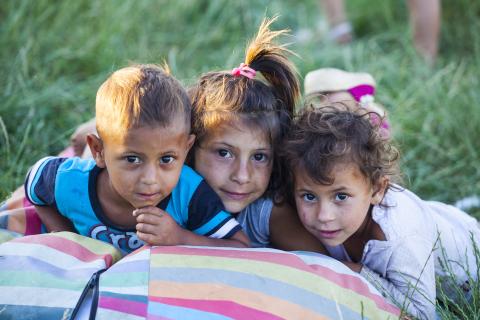
Having learnt from the shortcomings of the previous EU Roma framework over the past decade, the European Commission is determined to achieve the headline targets of the new Roma strategic framework, closing the gap of discrimination and socio-economic exclusion by at least half by 2030. However, the role of the Member States in delivering tangible results is pivotal. Without effective national strategies and pragmatic measures, the new framework risks failing in the same manner as its predecessor. 

Read more in all languages

Having learnt from the shortcomings of the previous EU Roma framework over the past decade, the European Commission is determined to achieve the headline targets of the new Roma strategic framework, closing the gap of discrimination and socio-economic exclusion by at least half by 2030. However, the role of the Member States in delivering tangible results is pivotal. Without effective national strategies and pragmatic measures, the new framework risks failing in the same manner as its predecessor. 

Participants in an online hearing on The new EU Roma framework: views and expectations for the future of the Roma communities, pointed out that the reason the previous strategy had failed to achieve good results was due to the political situation in and lack of support from some Member States.

The new Roma framework focuses on a three-pillar approach: equality, inclusion and participation, complementing the socio-economic integration of marginalised Roma in the previous framework and reforming it considerably.

The new Roma framework contains much of merit but the problem of implementation remains the same.

Isabela Mihalache, from the ERGO Network, praised the new framework for including a number of synergies and complementary EU policies, but argued that when it came to the common minimum commitments of Member States, they were rather general.

Bernard Rorke, from the European Roma Rights Centre, warned: "Unless justice prevails without prejudice for Romani citizens, this framework will fail in exactly the same manner as its predecessor".

Along the same lines, Florin Botonogu, from the Bucharest-based Policy Centre for Roma and Minorities, emphatically pointed out that solutions needed to be realistic.

The president of the EESC Thematic Study Group on the Inclusion of the Roma, Alfredas Jonuška, encouraged CSOs and NGOs to make their voice heard as, while progress has been made, there is still much more to achieve. (at)

#EuropeDay 2021, EESC makes a difference now more than ever

It was online Europe Day this year at the EESC, the home of EU organised civil society! Hosting a range of activities on its website, the Committee celebrated the European Union and the 71st anniversary of the Schuman Declaration – the starting point for European integration – by showcasing the key and unique role played in Europe by civil society organisations in these times, from their involvement in the recovery to their vital work in dealing with our day-to-day challenges.

Read more in all languages

It was online Europe Day this year at the EESC, the home of EU organised civil society. Hosting a range of activities on its website, the Committee celebrated the European Union and the 71st anniversary of the Schuman Declaration – the starting point for European integration – by showcasing the key and unique role played in Europe by civil society organisations in these times, from their involvement in the recovery to their vital work in dealing with our day-to-day challenges.

The wide-ranging agenda for the day included online talks, a 360° virtual visit of the Committee's premises and other interactive activities enabling visitors to discover more about how the EESC works, its advisory function in the EU decision-making process and its members' activities.

The Committee also held a webinar on "Participatory democracy: a key pillar of the Conference on the Future of Europe", moderated by Cillian Lohan, vice-president for communication, in which EESC members Milena Angelova, Tatjana Babrauskienė, Miroslav Hajnoš, Violeta Jelić and Elena Sinkevičiūtė discussed how civil society organisations could play a more prominent role at European level and make their invaluable contributions even more effective.

We are already looking forward to next year, when the EESC Open Day will hopefully be back at its official premises, the Jacques Delors building in the EU district in Brussels. (mp)


EESC backs initiatives to reduce pesticide risks, but stresses need to find alternative cost-effective solutions

The EU has some of the most stringent regulations in the world when it comes to using plant protection products (PPPs or pesticides) in agriculture. Much more can be done, however, to improve regulatory convergence to reduce the risks of using PPPs and to guarantee a healthy and safe food supply for an ever-growing world population.

Read more in all languages

The EU has some of the most stringent regulations in the world when it comes to using plant protection products (PPPs or pesticides) in agriculture. Much more can be done, however, to improve regulatory convergence to reduce the risks of using PPPs and to guarantee a healthy and safe food supply for an ever-growing world population.

As a contribution to the Commission's evaluation of Directive 2009/128/EC  on the sustainable use of pesticides (SUD), the EESC has adopted an information report on this topic.

More than 10 years after its implementation, it is essential to evaluate whether the Directive is fit for purpose.

While significant progress has been made on the handling and treatment of pesticides, the lack of adequate knowledge remains the main obstacle to the optimal use of PPPs.

Monitoring and enforcement of the law is also considered to be a weakness of the SUD, as well as the absence of effective penalties for Member States that do not comply with the rules.

Although European farmers remain strongly committed to moving towards more sustainable agricultural practices, there is also broad consensus on the lack of alternative solutions and new technologies that are sufficiently cost-effective to ensure ideal crop maintenance.

"We need a holistic and ambitious approach in order to create a legislative framework enabling us to deal with the use of pesticides in a coherent, consistent and scientific way," emphasised José Manuel Roche Ramo, EESC rapporteur. (mr)

EESC calls for the swift, uniform and secure implementation of the EU COVID-19 certificate

With one of the EU's fundamental values frozen for over a year, the EU COVID-19 certificate, instead of the "Digital Green Certificate" proposed by the Commission, paves the way for free and safe movement within Europe.

Read more in all languages

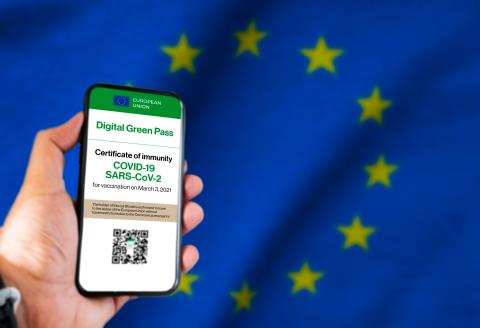
With one of the EU's fundamental values frozen for over a year, the EU COVID-19 certificate, instead of the "Digital Green certificate" proposed by the Commission, paves the way for free and safe movement within Europe. The EESC welcomes the introduction of the certificate as an excellent common standard to minimise complexity for travellers and to facilitate their movement, as long as fundamental rights and data protection requirements are fully respected.

In its opinion, the EESC maintains that the certificate will make it easier for passengers to travel, but the proposed regulation does not establish an obligation or right to be vaccinated. "This certificate needs to be transparent and it needs to protect our private lives," stresses the rapporteur of the opinion, George Vernicos.

The certificate will provide proof not only of whether a person has been vaccinated, but it will also provide results of recent PCR tests and information on a person's recovery from a SARS-CoV-2 infection.

The national authorities must ensure its swift implementation at no cost, with zero discrimination. The EESC also emphasises that the certificate must not lead to discrimination in the workplace or open the door to wage dumping by employing vaccinated people from third countries.

Special attention should be given to data protection, which makes it crucial for the Member States to have interoperable systems with equally strong data protection provisions. (at)

The EU as a global player after the pandemic – the way forward

The COVID-19 pandemic has caused a slowdown in the activity of many economic sectors and, at the same time, is giving rise to a significant shift in the global balance of power. In this context, the EU is looking for an appropriate strategy to strengthen its role as a global economic player, with policies aimed at boosting the international role of the euro, strengthening the resilience of EU financial market infrastructures and improving the implementation of sanctions imposed on third countries.

Read more in all languages

The COVID-19 pandemic has caused a slowdown in the activity of many economic sectors and, at the same time, is giving rise to a significant shift in the global balance of power. In this context, the EU is looking for an appropriate strategy to strengthen its role as a global economic player, with policies aimed at boosting the international role of the euro, strengthening the resilience of EU financial market infrastructures and improving the implementation of sanctions imposed on third countries.

Against this backdrop, the European Commission has presented a Communication on The European economic and financial system: fostering openness, strength and resilience, aimed at better enabling Europe to play a leading role in the global economic and financial system, while protecting the EU from unfair and abusive practices of third countries and companies based in them. The content of this Communication was analysed in a public hearing organised by the European Economic and Social Committee with a view to drawing up an opinion on this matter.

In her keynote speech, Danuta Maria Hübner, Member of the European Parliament and rapporteur for a report on Strengthening the international role of the euro, explained that "geopolitical shifts and global challenges, including the COVID-19 pandemic, have highlighted the need for an enhanced resilience of the EU's economy" and said that "a stronger international role for the euro would tend to be supported by a more liquid financial system in the EU, which could also contribute to reducing vulnerability to future crises".

Tomasz Wróblewski, rapporteur for the EESC's opinion on The European economic and financial system: fostering openness, strength and resilience, summarised the main points of the debate: "We need bold and unconventional measures to strengthen the international role of the euro. This will be crucial for setting our economy on a growth path in the post-pandemic world". (dgf)

A Europe-wide legal framework to protect the rights of LGBITQ persons

All across Europe, LGBTIQ individuals suffer from discrimination which affects their educational performance, job prospects, well-being and even the exercise of their fundamental rights, such as the freedom of movement within the EU.

Read more in all languages

All across Europe, LGBTIQ individuals suffer from discrimination which affects their educational performance, job prospects, well-being and even the exercise of their fundamental rights, such as the freedom of movement within the EU.

To tackle this situation, the European Economic and Social Committee proposes in an opinion adopted at its April plenary session a non-discriminatory regulation of the notion of "family" at EU level.

The opinion welcomes the LGBTIQ Equality Strategy 2020-2025, adopted by the European Commission, which aims to reduce discrimination and ensure the safety and fundamental rights of LGTBI people in the EU through the adoption of legislative measures at European level.

The rapporteur of the opinion, Ionut Sibian, outlined the timeliness of the strategy and welcomed the courage of the European Commission in adopting this strategy "in a context in which homophobia and transphobia are on the rise at European level".

The adopted text calls for a definition of the notion of "family" recognised by all EU Member States to guarantee that the rights of so-called "rainbow families" are respected all across the EU, especially in cross-border situations. The EESC also urges the European Union to establish lines of action on active employment policies with the aim that Member States develop national employment plans that include specific measures for LGBTIQ people, and calls for the prohibition by all Member States of so-called "conversion" practices and therapies. (dgf)

EU mobility must be sustainable and smart

The future of EU transport must be sustainable, social and smart: this is the challenge facing a sector which has undergone profound changes in recent years, as well as having been hit hard by the COVID‑19 pandemic. At the plenary debate on the Commission's new transport strategy, held on 28 April 2021, EESC president Christa Schweng pointed out that Europe needed a vision for a post-COVID-19 Europe; in transport, that vision would comprise sustainable, smart and resilient mobility.

Read more in all languages

The future of EU transport must be sustainable, social and smart: this is the challenge facing a sector which has undergone profound changes in recent years, as well as having been hit hard by the COVID‑19 pandemic. At the plenary debate on the Commission's new transport strategy, held on 28 April 2021, EESC president Christa Schweng pointed out that Europe needed a vision for a post-COVID-19 Europe; in transport, that vision would comprise sustainable, smart and resilient mobility.

On the same wavelength was Adina Vălean, European Commissioner for Transport, who stressed that the pandemic had not changed the Commission's overall vision for transport: that vision was firmly anchored in the EU Green Deal and based on the pillars of decarbonisation and digitalisation.

Overall, the EESC supports the general approach of aligning the Commission's Sustainable and Smart Mobility Strategy with the European Green Deal objectives. However, in the opinion drafted by Stefan Back and Tanja Buzek and adopted on 27 April 2021, it questions whether the approach strikes the right balance between technical and transport policy measures.

Many of the measures proposed with respect to sustainability and digitalisation have wide-ranging effects on the single market and transport workers. Unfortunately, the strategy does not pay enough attention to those aspects and this could undermine its successful implementation. In addition, a sustainable and digital transformation of EU transport will only be possible if the sector as a whole and the EU's related industrial base are made more competitive. (mp)

traffic sign: urban - to the right, rural - dead end

Territorial development of rural areas: the CAP alone cannot make it happen

We need to stop the gaps between rural and urban areas from growing further and better coordinate policies so as to bridge them. The new CAP alone will not be sufficient to rebalance these interrelated areas. For Europe to truly tackle inequalities, we need to mobilise a wider set of policies and funding instruments.

Read more in all languages

We need to stop the gaps between rural and urban areas from growing further and better coordinate policies so as to bridge them. The new CAP alone will not be sufficient to rebalance these interrelated areas. For Europe to truly tackle inequalities, we need to mobilise a wider set of policies and funding instruments.

In an Information Report adopted at its April plenary, the EESC provided a complementary evaluation at the request of the Commission on the extent to which the instruments and measures under the current EU Common Agricultural Policy (CAP) 2014-2020 have contributed to balanced territorial development in rural areas.

Based on consultations in five selected EU countries (France, Hungary, Ireland, Italy and Spain), the EESC has analysed how the CAP can better help to reduce the social and economic imbalances within rural areas.

While the CAP is the key policy for funding and maintaining employment in agriculture, other existing funding programmes, complementary to the CAP, have a critical role to play. However, coherence with other EU/national/local policies was assessed as not being optimal in terms of social policy, food policy, environmental policy, research and innovation, and trade. Environmental, economic and social sustainability must go hand in hand.

LEADER and Community-led local development (CLLD) were found to be potentially the most effective of all CAP measures. However, it needs to be resourced to a much greater extent and optimised. "Involving civil society organisations is key to ensuring the proper functioning of the programmes and to making sure that local needs are duly considered", pointed out EESC rapporteur Piroska Kállay.

The CAP measures did not have as positive an impact on employment in rural areas as most countries needed. In the countries visited, several stakeholders strongly highlighted the importance of  social conditionality."Labour rights and decent working conditions must therefore be guaranteed by social conditionality in CAP financing", concluded MS Kállay.

A Rural Development Observatory should also be established. (mr)


News from the Groups

EU recovery plans must address gaps that the COVID-19 crisis has exposed

By the EESC Employers' Group

The European Commission unveiled its much-awaited Industrial strategy review this month. But, more than strategies, what companies need is swift action to help Europe regain its competitiveness and growth.

Read more in all languages

By the EESC Employers' Group

The European Commission unveiled its much-awaited Industrial strategy review this month. But, more than strategies, what companies need is swift action to help Europe regain its competitiveness and growth.

At the moment, Europe lags far behind the US and China when it comes to economic growth. And even though the European Commission's recent 2021 Spring Forecast seems more optimistic, employers are convinced that economic activity will not bounce back overnight to pre-crisis levels.

There is no secret to a return to growth and competitiveness. Recovery plans must address the gaps that the pandemic crisis has exposed. The over-reliance on certain supply chains must be addressed. We need more diversification to maintain and build on new competitiveness.

Furthermore, we need a more coherent innovation ecosystem that allows SMEs to participate and that improves access for regions that are less well-placed to bounce back from the severe economic consequences of the pandemic. Alongside innovation, industry needs cheap energy, through the development of new models for the electricity market and through the promotion of the energy transition to cleaner fuel.

Last but not least, people and businesses must take ownership of this transformational agenda for recovery. The process will gain speed only if people are willing to engage in the transition. We have no time to lose and no strategy will succeed unless it has society behind it.

So, now that we have the strategy, we need to recapture the sense of urgency to deliver change, especially if we want to achieve the highest growth and competitiveness rankings. This will be an uphill battle, but it is one that we must win.

Now, as the EESC is drawing up its opinion on Updating the new industrial strategy, led by rapporteur Sandra Parthie, we are confident that this work will provide valuable arguments to influence both the Parliament and the Council. That will allow us to move from strategy to action. (dv)

Workers' Voice Category: The political momentum for stronger workers' participation rights is now

By the EESC Workers' Group

"The political momentum to push for stronger workers' participation rights is now", said Workers' Group president Oliver Röpke, referring to citizens' calls for more democracy in the Conference on the future of Europe and the political leaders' commitment at the Porto Social Summit to implement the European Pillar of Social Rights Action Plan.

Read more in all languages

By the EESC Workers' Group

"The political momentum to push for stronger workers' participation rights is now", said Workers' Group president Oliver Röpke, referring to citizens' calls for more democracy in the Conference on the future of Europe and the political leaders' commitment at the Porto Social Summit to implement the European Pillar of Social Rights Action Plan.

With these introductory words, Mr Röpke opened the first ever meeting of an EESC category attended by Workers' Group members, entitled "Workers' voice for more democratic participation", on 19 May 2021.

There is a need for a solid EU framework for mandatory information, consultation and participation of workers in corporate decision-making processes, as the key to a fair green and digital transition. This is highlighted by the serious threats to workers' participation rights, such as company restructuring, the relocation of jobs to Asia or the introduction of new technologies or AI processes, which may radically change job profiles within a company or make many workers redundant, without giving workers, who are those most affected by these changes, the chance to participate in decision-making.

Other threats, as several members reported, hinting to recent attacks on collective bargaining, stem from governments trying to restrict workers' rights and weaken the role of the social partners in economic and political decision-making. The creation of the Category coincides with an initiative from the European Parliament to strengthen democracy at work. Gabriele Bischoff, former Workers' Group President and EP rapporteur for the report "Democracy at work: A European framework for employees' participation rights and the revision of the European Works Council Directive", presented her text, which is currently in preparation, stressing that resilience and democracy at work were key elements of a sustainable company.

The Category will act as a forum for discussion of this issue with the EU institutions, social partners and other stakeholders, with the aim of placing the topic of more democracy at work high on the EU political agenda and encouraging its mainstreaming in the EESC's work. (prp)


An opportunity to put civil society in the driving seat

By Séamus Boland, President of the Diversity Europe Group

The Conference on the Future of Europe provides opportunities for citizens and for civil society organisations to be heard and to shape the future. It also offers opportunities to bring about sustainable and people-centred change.

Read more in all languages

By Séamus Boland, President of the Diversity Europe Group

The Conference on the Future of Europe provides opportunities for citizens and for civil society organisations to be heard and to shape the future. It also offers opportunities to bring about sustainable and people-centred change.

The Diversity Europe Group attaches special importance to three points:

Firstly, this process is an opportunity to shape the future! It is an opportunity to put civil society firmly in the driving seat! What we want to see come out of the Conference is a genuine recognition by European and national authorities that civil society organisations are guardians of the common good. That they are integral to identifying solutions. To acknowledge that civil society has a key role in building trust, shaping public opinions and acting as a positive agent of change.

Secondly, the Conference on the Future of Europe is an opportunity to bring about a mind-shift. A change in thinking, where the future and the post-COVID-19 recovery will go hand in hand with policy coherence and the Sustainable Development Goals. Poverty reduction is, of course, the first objective of the SDGs and must be at the heart of our future.

Thirdly, any discussion on the future of the EU has to bear in mind that the COVID-19 pandemic has nurtured greater respect among citizens for the values of solidarity, social justice, inter-generational cooperation, gender equality and just green and digital transitions. Now is the time to leverage public support for those values, in order to re-think our growth and governance models. To build a more equal society based on citizens' well-being. To embrace new definitions of well-being and development beyond GDP, while also respecting citizens' opinions and rights.

Make your voice heard: https://futureu.europa.eu/

#TheFutureIsYours

New Publications

New brochure: Respect and dignity at the EESC

The EESC has published a new brochure on "Respect and dignity at the EESC" that can be found here.

The brochure provides information about the revised Code of Conduct adopted in January and gives practical advice on respectful and ethical behaviour at the EESC, how to avoid situations of harassment and whom to contact if necessary, including the Ethical Committee.

This publication demonstrates that the EESC remains strongly committed to high ethical principles, integrity and modern, transparent working methods. (mwj)

Read more in all languages

The EESC has published a new brochure on "Respect and dignity at the EESC" that can be found here.

The brochure provides information about the revised Code of Conduct adopted in January and gives practical advice on respectful and ethical behaviour at the EESC, how to avoid situations of harassment and whom to contact if necessary, including the Ethical Committee.

This publication demonstrates that the EESC remains strongly committed to high ethical principles, integrity and modern, transparent working methods. (mwj)

Editors

Ewa Haczyk-Plumley (editor-in-chief)
Daniela Marangoni (dm)
 

Contributors to this issue

Amalia Tsoumani (at)
Daniela Marangoni (dm)
Daniela Vincenti (dv)
David Gippini Fournier (dgf)
Ewa Haczyk-Plumley (ehp)
Laura Lui (ll)
Marco Pezzani (mp)
Magdalena Walczak Jarosz (mwj)
Nicola Accardo (na)
Pablo Ribera Paya (prp)

Coordination

Agata Berdys (ab)
Katerina Serifi (ks)

Technical support
Bernhard Knoblach (bk)
 

Address

European Economic and Social Committee
Jacques Delors Building,
99 Rue Belliard,
B-1040 Brussels, Belgium
Tel. (+32 2) 546.94.76
Email: eescinfo@eesc.europa.eu

EESC info is published nine times a year during EESC plenary sessions. EESC info is available in 23 languages
EESC info is not an official record of the EESC’s proceedings; for this, please refer to the Official Journal of the European Union or to the Committee’s other publications.
Reproduction permitted if EESC info is mentioned as the source and a link  is sent to the editor.
 

June 2021
06/2021

Follow us

  • Facebook
  • Twitter
  • LinkedIn
  • Instagram