
European Economic
and Social Committee
CURRENT AFFAIRS: The State of the Union address 2026
Reflections on civil society’s role in building Europe’s resilience
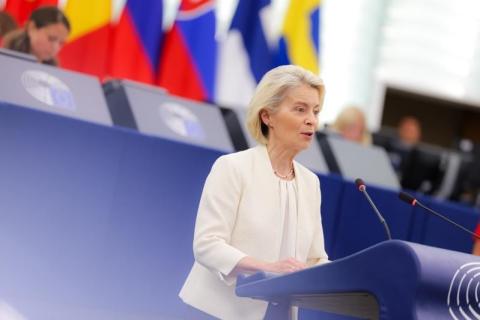
In the State of the Union address, European Commission President Ursula von der Leyen highlighted the importance of Europe’s autonomy, competitiveness, preparedness and democratic resilience. In a world facing geopolitical tensions, climate impacts, economic uncertainty and growing pressure on democratic institutions, resilience is a strategic necessity.
However, resilience cannot be built by governments alone. As highlighted in the EESC’s work on preparedness, Europe’s capacity to withstand and recover from crises depends on more than military defence, infrastructure and economic strength. It relies on strong, cohesive communities, well-functioning democratic institutions and an active civil society, where civil society organisations help prepare and mobilise citizens, foster solidarity and support vulnerable groups, thus making them essential resilience actors.
Recent crises, including the COVID-19 pandemic, the energy crisis, Russia’s war against Ukraine and climate-related disasters, have demonstrated the crucial role of civil society in delivering humanitarian assistance, supporting integration, strengthening social cohesion and providing trusted information. Efforts to build a strong, autonomous EU must therefore also place greater emphasis on societal resilience, a sustainable civil society sector and civic engagement.
Von der Leyen’s comments on climate resilience raised points on crisis preparedness and protection. However, the causes of climate change must also be addressed rapidly, without losing sight of the goal to complete the European Green Deal and the sustainability agenda. Civil society is already driving adaptation efforts, promoting sustainable lifestyles and supporting vulnerable groups facing climate risks. Their experience must be reflected more systematically in future resilience policies and be fully supported at EU and Member State levels.
The proposal to deepen partnerships with like-minded democracies, including the prospect of Canada becoming the EU’s first associate member, can strengthen democratic alliances, economic resilience and coordinated responses to global challenges. At a time of growing geopolitical uncertainty, closer EU-Canada cooperation would demonstrate that rules-based multilateralism remains a viable model. It could create new opportunities for collaboration, while reinforcing the transatlantic community of shared democratic values and human rights. Such innovative partnerships can help Europe build resilience not in isolation but through stronger cooperation with trusted global partners.
Looking ahead, Europe’s ambitions for security, preparedness and competitiveness must be matched by investments in social cohesion and civil society capacity. Europe will be strongest when resilience is understood not only as the capacity to protect borders and economies, but also as the ability of citizens, communities and democratic institutions to adapt, respond and thrive in times of change.
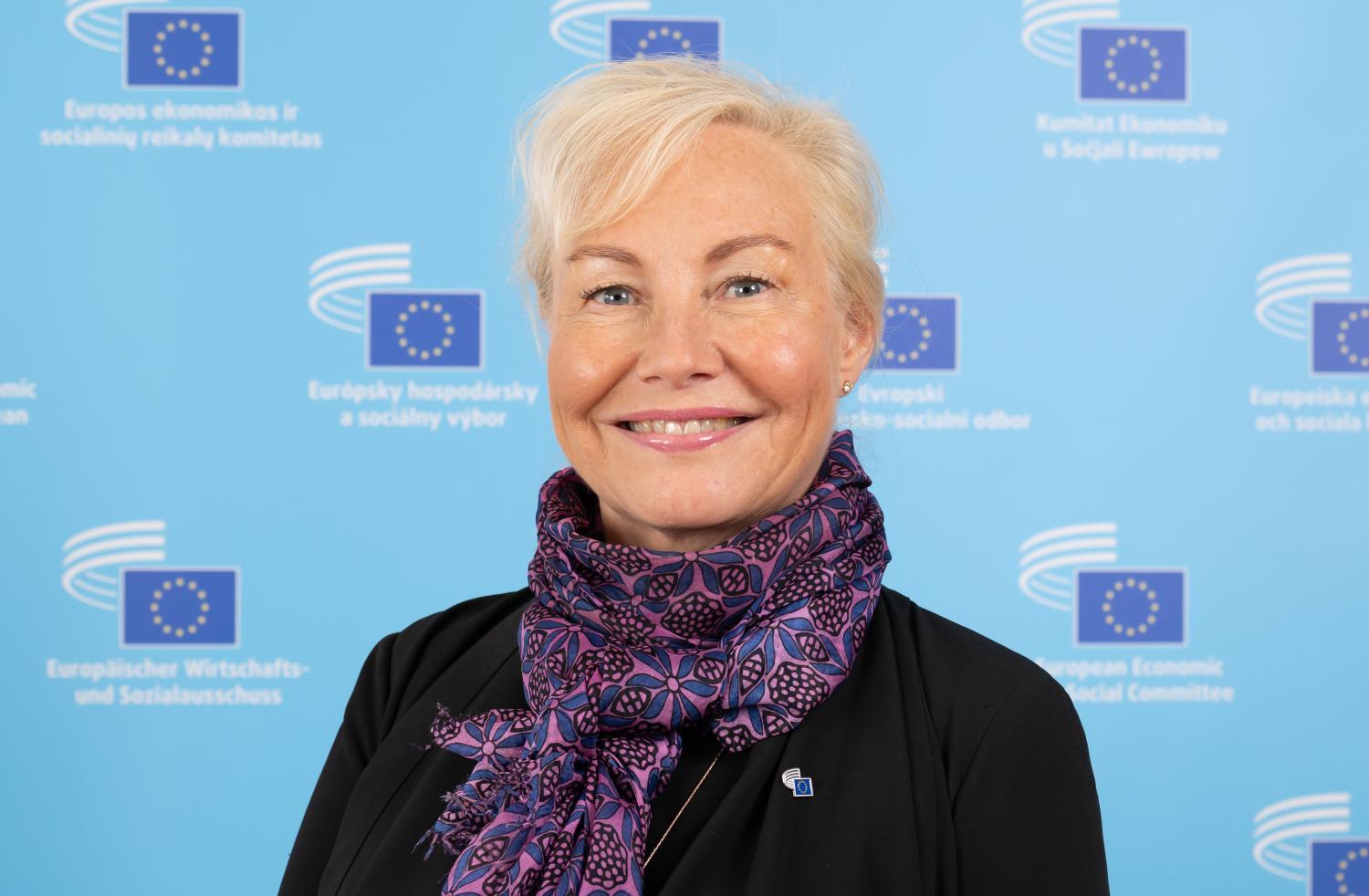 Ariane RODERT (Sweden)
Vice-President, EESC Civil Society Organisations' Group
Head of Unit, Policy Dialogue Unit, Church of Sweden
© EU/EESC