
European Economic
and Social Committee
Recent EESC achievements

We bring you a series of stories about the European Economic and Social Committee’s recent achievements. They show how the EESC has successfully sought to ensure that issues of key economic and social importance for Europe, identified by social partners and civil society, are discussed and addressed at EU level. They also demonstrate how, through our consultative work, we influence EU legislation and subsequently monitor its proper implementation.
With our EU Youth Test, we are a pioneer among EU institutions in actively involving young people in our work, to avoid young people becoming disengaged from European issues. The EU Blue Deal, in turn, was instrumental in bringing water issues, from economic to environmental, to the level of Brussels’ strategic work. The same goes for affordable housing, which we have repeatedly called for and which is finally beginning to take its rightful place in the work of the European Commission and other EU institutions.
Our recommendations have helped to ensure that new EU legislation on public deficit and debt reduction plans – in a socially sustainable way – requires the consultation of civil society. The EESC has been a key advocate of the ‘right to repair’ in EU consumer protection legislation. And we make sure that measures on rare diseases, including new medicines, have a place in the European Commission’s work. The EESC also calls for an EU Food Policy Council to promote a holistic approach to food policy.
Our recommendations regarding the European Green Deal, which should be both green and social, have been part of the creation of an Energy Poverty Advisory Hub. And the European Commission is also working on the EESC’s call for a Just Transition Observatory. In addition, we continue to play a crucial role in the consultation and exchange of experience on the circular economy, and in civil society monitoring of the economic and social aspects of trade agreements, which are increasingly at the centre of political debate in the EU.
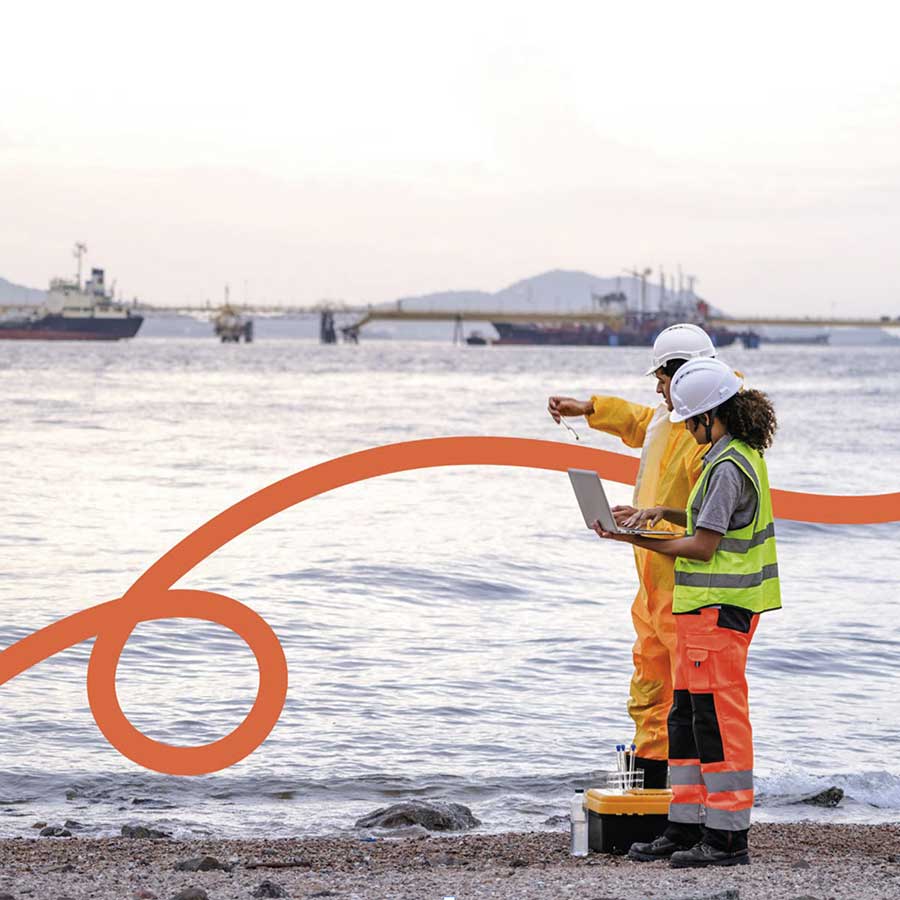 The European Union is developing a more integrated approach to protecting its oceans while strengthening its blue economy. The European Economic and Social Committee (EESC) helped shape the debate from an early stage. At the European Commission’s request, the EESC was the first EU institution to adopt a comprehensive opinion on the future European Oceans Pact, putting civil society participation and balanced ocean governance at the centre of its recommendations.
 With the renewed momentum to EU enlargement, one important voice risked being overlooked: civil society. While candidate countries advance on the path towards membership, their employers, workers and civil society organisations have had limited opportunities to contribute directly to EU policymaking.
 The rapid growth of platforms such as Temu and Shein has brought billions of low-value parcels into the EU, many containing products that do not comply with European safety and consumer-protection rules. In 2024 alone, 4.6 billion consignments worth no more than EUR 150 entered the EU – around 12 million every day. The European Economic and Social Committee (EESC) called for urgent action to prevent these imports from putting consumers at risk and placing European businesses at an unfair disadvantage.
 As Europe looks for ways to make farming more resilient while restoring soils and biodiversity, regenerative agriculture has moved rapidly up the EU policy agenda. The European Economic and Social Committee (EESC) helped give this debate a clearer policy direction: it was the first EU institution to adopt a comprehensive opinion on regenerative agriculture, setting out how farmers could be rewarded for measurable environmental, economic and social outcomes.
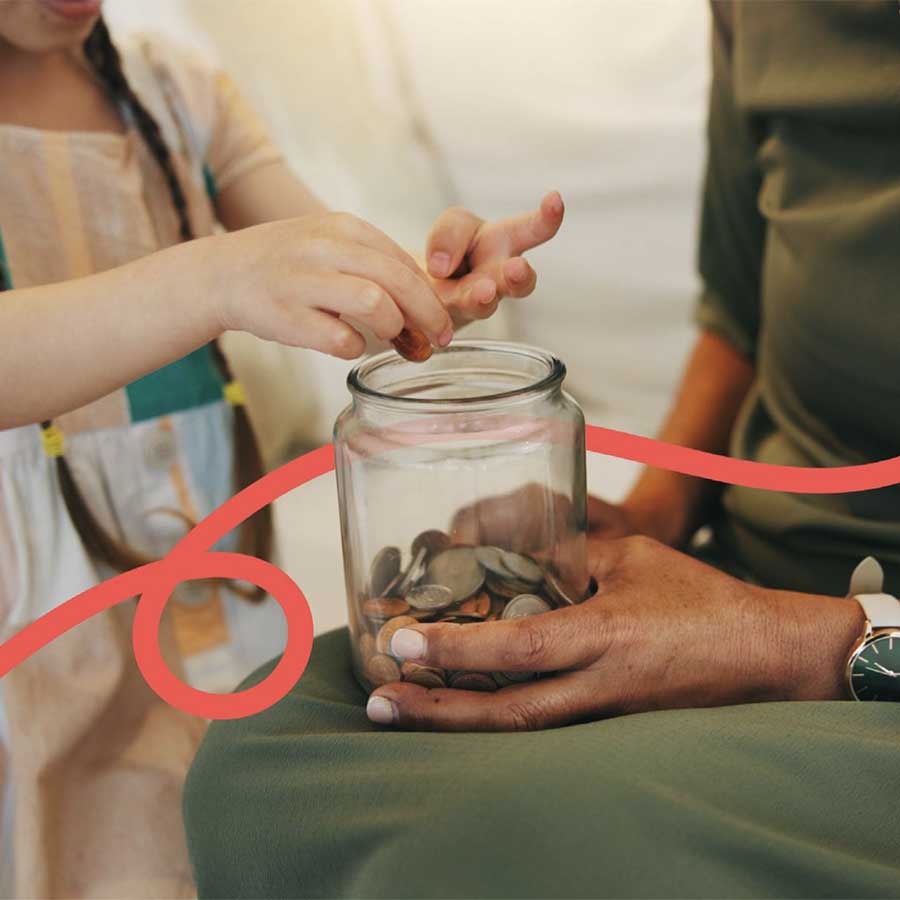 As financial products become more complex and digital services transform the way Europeans save, invest and borrow, financial literacy has become an essential life skill. Without it, citizens are more vulnerable to fraud, excessive debt and poor financial decisions. Recognising this challenge early, the European Economic and Social Committee (EESC) called for financial literacy to become a stronger EU policy priority, and saw several of its recommendations reflected in the European Commission’s strategy.
 A practical tool, a clearer method and visible institutional uptake have made the EESC Youth Test a concrete example of youth mainstreaming in EU policy-making.
 Civil society organisations across Europe are facing mounting legal, financial and political pressures that restrict freedom of association, expression and participation. The European Economic and Social Committee (EESC) has long called for civil society to be given a permanent and structured role in EU policymaking. The creation of the EU Civil Society Platform, with the EESC directly involved in its governance and activities, is turning that objective into practice.
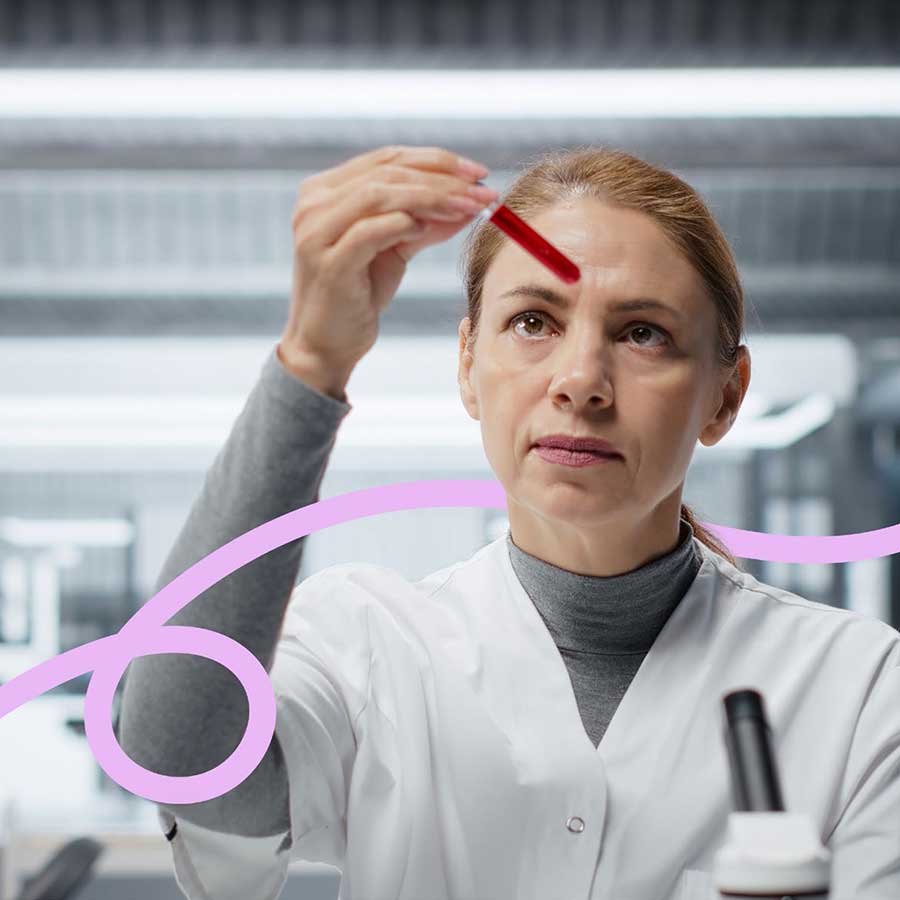 Rare diseases affect approximately 8% of the EU population, equivalent to 36 million people. Yet up to 95% of these diseases lack specific treatments, while available therapies come at exorbitant costs. Since 2023, the European Economic and Social Committee (EESC) has pushed for an EU action plan on rare diseases to be included in the Commission’s work programme.
 EU citizens are struggling with an affordable housing shortage, which undermines inclusion, economic stability and environmental sustainability. According to Eurostat data, house prices rose by 55.4% and rents by 26.7% between 2010 and 2024 across the EU, with some Member States experiencing price increases in excess of 200%. These increases far outpace wage growth. Continuing its long-standing work in this field, the European Economic and Social Committee (EESC) has helped steer the public debate with key events and concrete recommendations over the past few years.
 Long before water resilience became a political priority in Brussels, the European Economic and Social Committee (EESC) warned that Europe needed a comprehensive strategy to tackle growing water scarcity, droughts and flooding. Back in 2023, it proposed an ambitious EU Blue Deal, calling for water to be considered across all EU policies rather than through fragmented sectoral measures.
 Domestic violence against women remains alarmingly widespread in the EU, with Eurostat data showing that one in three of the 228 million women are affected. The European Economic and Social Committee (EESC) has long championed efforts to combat this abuse, first raising the issue in a 2006 opinion. More recently, it helped shape the EU’s first-ever law to protect women from domestic violence and continues to play an active role in the UN Commission on the Status of Women, reinforcing its global commitment to ending this form of violence.
 As global environmental crises escalate and the EU generates 2.2 billion tonnes of waste annually, a circular economy is not just an option—it is a necessity. The model revolutionises how we manage resources, eliminating waste by keeping products and materials in use through recycling, reusing, and repairing, unlike the outdated ‘take-make-dispose’ approach.
 The EU’s 12 Domestic Advisory Groups are civil society bodies that monitor the implementation of trade agreements. They fulfill a long-standing demand from civil society to oversee the economic, social and environmental impacts of EU free trade agreements.
 Since the Maastricht Treaty of 1992, the European Union’s economic governance framework has played a key role in promoting economic stability, growth, and employment across Europe. As this framework has evolved over time, it has become increasingly intricate, with some of its instruments failing to adapt to current situations.
 Energy poverty occurs when households cannot afford the energy necessary for their health, well-being and quality of life. Eurostat figures show that 10.6% of Europeans, or over 48 million people, could not keep their homes adequately warm in 2023. This is a sharp increase from the previous years when these figures stood at 9.3% and 6.9% in 2022 and 2021 respectively.
 The concept of a just transition, ensuring no one is left behind in the shift to low-carbon and sustainable economies, is now central to policymaking. Fairly distributing the costs and benefits of this transition is especially critical in the post-pandemic recovery, where inequalities and economic risks have deepened.
 The significant decline in the habit of repairing, with only 35% of consumers choosing to repair their products, has led to substantial consequences for the environment, resulting in 7 million tons of electric and electronic waste and a marked decrease in repair-related employment in the EU.
 Over half of European adults are overweight or obese, leading to severe health issues such as heart disease, diabetes and certain cancers. At the same time, our food systems drive environmental damage — from global warming and deforestation to biodiversity loss and pollution. Power imbalances and overproduction in the food supply chain push prices down, squeeze farmers’ incomes and add to the already significant food waste, with EU consumers discarding nearly a quarter of their food purchases.
 Young people are the most under-represented age group in the European Parliament, with only 6% of MEPs younger than 35, according to figures from the European Youth Forum. The EESC is determined to change that. Including young perspectives in EU decisions is not just desirable, it is essential for creating policies that truly represent the future of Europe.