
European Economic
and Social Committee
The EESC's enhanced role in accelerating progress on the SDGs
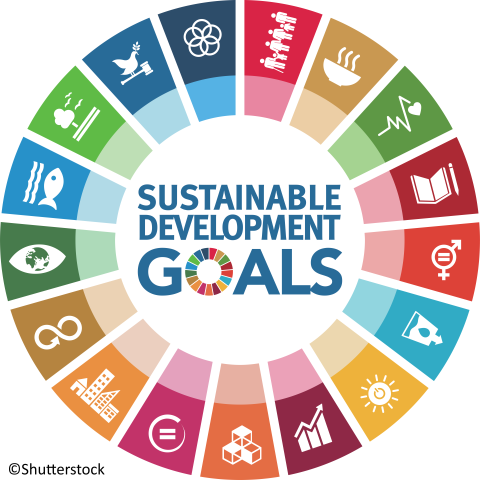
by Antje Gerstein, member of the EESC Employers' Group
On 18-19 September 2023 the Sustainable Development Goal (SDG) Summit will take place in New York. It aims to mark the beginning of a new phase of accelerated progress towards achieving the SDGs, with high-level political commitment and guidance on transformative and accelerated actions leading up to 2030.
EESC took a stand for civil society engagement
In preparation for this significant summit, this year's High-Level Political Forum on Sustainable Development (HLPF) at the UN Headquarters in New York (17-19 July 2023) was particularly important in preparing and supporting the mid-term review of the implementation of the SDGs and the 2023 SDG Summit. The HLPF convenes annually and brings together governments, UN agencies, major groups, civil society organisations and other stakeholders.
It was a privilege and an honour for me to be part of the EESC delegation to this year's HLPF mission. As an official advisory body representing Europe's organised civil society, the EESC has been actively engaging in the HLPF for years to advocate the views of European citizens and promote sustainable development policies to be aligned with the EU's priorities. A particularly important initiative this time was the official presentation of the first EU Voluntary Review (EUVR), a self-assessment and reporting mechanism on the implementation of the SDGs in EU policies in recent years. EU Commissioners Paolo Gentiloni and Jutta Urpilainen were present and made sure Europe's voice was heard.
Against this background, the purpose of the EESC's participation was to be equally active in presenting the first EUVR, particularly by jointly organising a side event with the Commission on "Delivering the SDGs: Revitalised partnership with the EU", and to extend and strengthen the EESC network's with civil society players and youth organisations.
The EESC did indeed play a significant role in the EUVR process, which was also acknowledged by the two Commissioners. It has been tasked with providing the views of civil society through an in-depth analysis of the SDGs, assessing the achievements and challenges of EU policies in attaining each goal. The EESC engaged in a broad consultation process involving stakeholders at all levels, ensuring the active participation of civil society organisations. The full contribution has been included as an annex to the EUVR.
The programme for the EESC delegation was of the highest quality. The highlight was, of course, a meeting with António Guterres, UN Secretary-General. The short meeting, also attended by the Committee of the Regions' president and members, was an opportunity for the EESC delegation to highlight the EESC's commitment to the 2030 Agenda, calling for the involvement of civil society to accelerate the implementation of the SDGs and allow organisations to play a convening role.
Of particular interest was a meeting with Guy Ryder, Under-Secretary-General for Policy at the UN (former Secretary-General of the ILO), who plays a crucial role in advancing the UN's core values and principles, promoting international cooperation and driving the implementation of key UN frameworks, such as the SDGs and the Paris Agreement on climate change.
It was alarming to hear Mr Ryder describe the current challenges of multilateralism in the face of the Russian aggression and the war in Ukraine and the outdated and poorly functioning mechanisms in place, such as the Security Council and the current global financial architecture.
Globally, only 12% of the SDGs are on track. It is critical to reform the international financial system, and debt distress and debt relief in many developing countries need to be urgently addressed to achieve real global progress on the SDGs. Mr Ryder highlighted three important events that will follow up on this issue: the SDG Summit in September 2023, the Summit of the Future in 2024 and the World Social Summit in 2025.
The key message coming out of our mission is: Europe can and must play an important and constructive role in reinforcing or even saving the multilateral system, which is under serious threat.
The "European way of life" is something the world envies us for and which is worth defending on a global scale. An intact civil society is key to functioning democracies and therefore the EESC's particular institutional role is deeply embedded and clearly recognised. Building personal and institutional networks outside the "Brussels bubble" with civil society organisations and their representative organisations from other parts of the world is an important and unique opportunity to further gain visibility and strengthen our credibility.
The exploratory opinion NAT/903 EU and Agenda 2030: strengthening the implementation of the SDGs requested by the Spanish Presidency is currently being drawn up, with Maria Nikolopoulou as rapporteur and myself as co-rapporteur. We will be able to reflect much of the input from New York in this opinion.
Work organisation
Recommended for you
La creazione condivisa di servizi pubblici nel settore sanitario contribuirà a una democrazia più partecipativa nell'UE
News
L'evento organizzato dal Comitato economico e sociale europeo (CESE) in collaborazione con l'Università di Debrecen ha posto in evidenza l'importanza cruciale della creazione condivisa di servizi di…
Per combattere i cambiamenti climatici, l'UE ha bisogno di maggiori investimenti pubblici nelle infrastrutture energetiche
News
In un parere adottato nella sessione plenaria di settembre, il Comitato economico e sociale europeo (CESE) avverte che, per realizzare gli obiettivi climatici e di transizione energetica, sono…
Energia - Il CESE mette in guardia di fronte al rischio di nuove dipendenze
News
Il Comitato economico e sociale europeo (CESE) assume una posizione ferma in materia di energia in un parere adottato nella sessione plenaria di settembre. La proposta della Commissione, infatti, è…
La transizione digitale deve essere equa: i diritti umani e il controllo umano devono rimanere pilastri fondamentali
News
Il Comitato economico e sociale europeo (CESE) sottolinea le opportunità offerte dalla rivoluzione digitale, ma mette anche in guardia dai rischi: se attuate troppo rapidamente, le soluzioni digitali…
L'UE ha bisogno di un piano d'azione per fornire alloggi dignitosi e a prezzi accessibili
News
Il convegno ad alto livello organizzato a Riga dal Comitato economico e sociale europeo (CESE) ha lanciato l'allarme per la crisi degli alloggi a prezzi accessibili, sottolineando che è il momento…