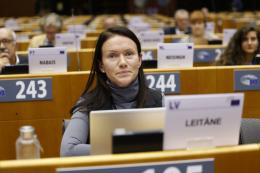
As the number of EU households unable to warm their homes is likely to grow and with energy annual inflation hitting over 40%, the EU and the Member States should adopt and implement urgent measures to prevent and tackle energy poverty threatening Europeans
Il Comitato economico e sociale europeo (CESE) assume una posizione ferma in materia di energia in un parere adottato nella sessione plenaria di settembre. La proposta della Commissione, infatti, è un passo nella giusta direzione per garantire l'indipendenza energetica dell'UE dalla Russia, ma queste misure di emergenza non dovrebbero creare nuove dipendenze o danneggiare gli sforzi volti a conseguire al più presto la neutralità climatica.
In un parere adottato nella sessione plenaria di settembre, il Comitato economico e sociale europeo (CESE) avverte che, per realizzare gli obiettivi climatici e di transizione energetica, sono necessari ingenti investimenti pubblici. Il CESE propone di tagliare gli extraprofitti e di applicare una "regola aurea" per finanziare gli investimenti nelle infrastrutture.
During its September plenary session, the European Economic and Social Committee (EESC) adopted an own-initiative opinion on the EU Youth Test. For years, young people have demanded that their voices be heard in decision-making processes. With this opinion, the EESC becomes the first EU body to support their call for a mechanism to assess the impact of future legislation on youth.
In an own-initiative opinion, the European Economic and Social Committee (EESC) proposes creating a Climate Adjustment Fund (CAF) to ensure a rapid response to new climate and energy crises. The CAF would complement existing EU policies and ensure more effective use of existing funding.
The European Economic and Social Committee (EESC) calls on the European Commission to publish an overdue report to consider extending the EU's sustainability taxonomy's scope to social objectives.
The European Economic and Social Committee backs increased regulation of crypto-assets, with robust, coherent rules to better protect investors across the EU in line with current measures applied to traditional financial services.
EESC to host debate with Margaritis Schinas on the future of health care and health workers in the EU. And other highlights of the European Economic and Social Committee's September plenary.
Rare diseases may be rare but they still affect up to 36 million people in the EU. Despite advances in research and the exchange of good practices, Europe is still failing patients with rare diseases on many fronts
On 18 July, the European Economic and Social Committee (EESC) held a hearing on Communicating fundamental rights and the rule of law. Participants discussed how better communicating the EU's founding values could help address the challenges they face. The conclusions will feed into a future EESC opinion on the same topic.