
European Economic
and Social Committee
Last-minute deal saves COP16.2, but post-2030 funding will have to rely heavily on the private sector
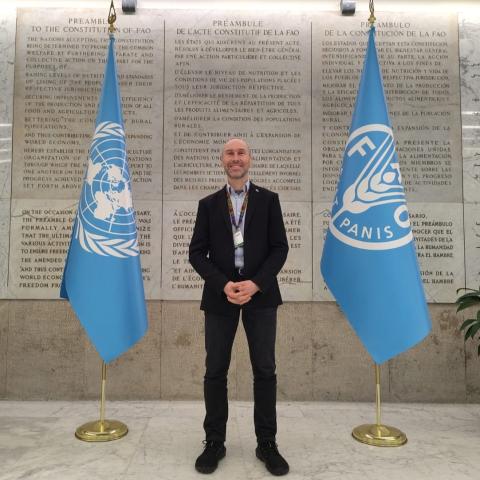
COP16 began in Cali in October 2024 and ended at the end of February during a second session in Rome. Negotiations were once again very complicated, but nevertheless resulted in a compromise on biodiversity finance. As provided for in Article 11, a fund will have to be placed under the authority of the Parties, but Northern countries have obtained a postponement of the decision to 2030 and are relying on the private sector to fill the financial gap.
Southern and Northern countries have been debating the Global Environment Facility (GEF) since 1992. Southern countries consider it ineffective and also criticise its governance, which has little regard for their voices, while Northern countries consider it sufficient but reformable.
The Kunming-Montreal agreement, adopted at the end of 2022, contains a resource mobilisation strategy with €20 billion per year from 2025, but provides for up to €200 billion after 2030, largely from private investment. These could potentially be done through compensation mechanisms, which have been criticised for their negative impact on ecosystems.
In Rome, despite a global geopolitical context where political brutality and illiberalism are on the rise, the COP, following a multilateral process and questioning the dictatorship of ‘king money’, also reaffirmed the urgency of eliminating harmful subsidies. Incidentally, this would save a lot of public money and suffering in the future, with fewer diseases, pollution, destruction of biodiversity and climate.
Among other decisions testifying to the fact that it is not in vain to believe in the collective intelligence that can emerge from these meetings, the COP has finally adopted the framework for monitoring international biodiversity commitments. It will be in force from its next edition at the end of 2026 in Yerevan. Although some key indicators have not been retained, such as the one on global consumption, we can welcome the fact that those on the ecological footprint and use of pesticides have been maintained.
Now, and until its next edition, Parties to the Convention need to speed up the adoption and implementation of their national plans if they do not want to jeopardise the goal of halting biodiversity loss by 2030. The EESC, which participated in both sessions of COP16, will continue to closely follow the negotiations and advocate the position developed in the opinion A comprehensive strategy for biodiversity at COP16: bringing all sectors together for a common goal.