
European Economic
and Social Committee
EESC calls for a stronger European strategy to prevent wildfires
As wildfires become more frequent and destructive across Europe, the European Economic and Social Committee (EESC) is calling for prevention to become the cornerstone of EU wildfire policy.
Wildfires are no longer a seasonal threat limited to southern Europe. Driven by climate change, they are spreading across the continent with increasing intensity, endangering lives, destroying ecosystems and putting growing pressure on rural communities. The recent deadly wildfire in Los Gallardos, Almería, is a stark reminder that Europe is facing a civil protection challenge requiring a coordinated European response.
In its latest opinion, the EESC welcomes the European Commission's Communication on integrated wildfire risk management but argues that prevention remains significantly underfunded compared with firefighting. The Committee calls for a structural shift in EU policy, placing prevention at the heart of wildfire management.
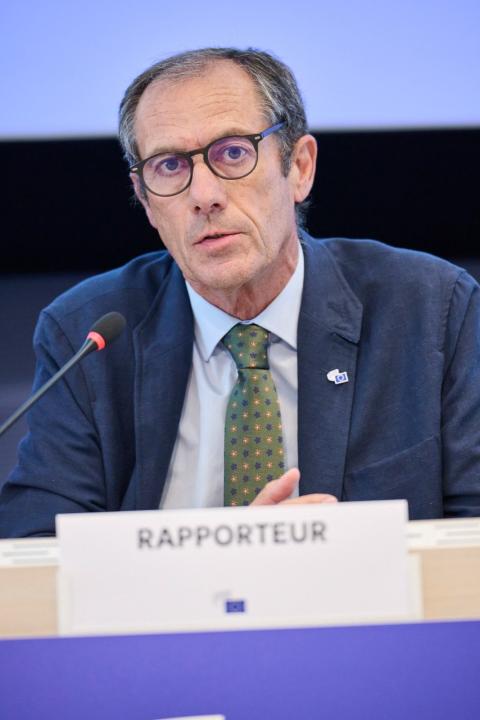
"Wildfires are no longer a seasonal challenge confined to southern Europe, they are a European civil protection emergency. Prevention must become our first line of defence, backed by a dedicated EU budget, professional training, and a truly integrated European strategy. The cost of inaction will be measured in lives, biodiversity loss, and the future of our rural territories." said Luís Mira, the rapporteur of the opinion.
Among its recommendations, the EESC proposes the creation of a dedicated European wildfire prevention fund within the next Multiannual Financial Framework, separate from the Common Agricultural Policy (CAP). The Committee also stresses that maintaining profitable agricultural, livestock and forestry activities is essential to preventing land abandonment, reducing fuel accumulation and lowering wildfire risk. The EESC further highlights that active land management should be a European strategic priority, directly linked to climate, food and territorial security. This active land management should be based on close involvement of local and regional authorities, farmers, foresters, civil society organisations and other local stakeholders involved in the development and implementation of prevention strategies.
The opinion further calls for a common European wildfire strategy that strengthens cooperation between Member States, improves professional training for firefighters and rural communities, expands the use of innovative technologies and dual-use infrastructure, and ensures sufficient financial resources for long-term prevention.
Beyond their devastating human toll, wildfires threaten biodiversity, increase carbon emissions, undermine climate objectives and weaken the economic and social fabric of Europe's rural regions.
The EESC believes that safeguarding Europe's landscapes requires sustained investment, better governance and a long-term commitment to prevention, before the next wildfire season begins. (ks)