
European Economic
and Social Committee
Freedom of expression and freedom of the media
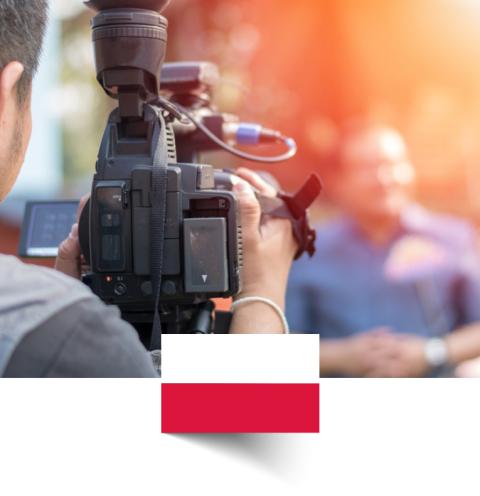
All participants agreed that freedom of expression was protected in Poland, but some believed that further action was needed to protect this right. Some contended that prosecutors and judges had been harassed after exercising their right to freedom of expression in support of an independent judiciary, and now needed to seek a supervisor’s approval before publishing documents. Disciplinary procedures had been initiated against prosecutors who had spoken to the press about participating in protests, or carrying out educational activities and applying the rule of law. This had created a rather chilling effect.
Most commercial advertising commissioned by either media houses or companies with a public ownership stake was for pro-government magazines, despite these not having the biggest circulation. Representatives from some of the principal and most popular newspapers, which were viewed as supporting the opposition, had presented figures on the difference in revenue from commercial adverts before 2014 compared to now. They asserted that this revenue had been used to put pressure on them in recent years. Some claimed the main distributing company discouraged the distribution of releases that were critical of the government. Others denied this and highlighted that outlets which were critical of the present government were previously favoured and received more advertising money under the former government.
There were an estimated 20 pending lawsuits against news outlets. Politicians used harsh language against journalists, calling them traitors, and called for the “re-polonisation” of foreign-owned media outlets, which were depicted as foreign stooges.
Another key problem raised was that many public authorities refused to grant access to information. Some media outlets were not informed about, or allowed to ask questions at press conferences, and ministers would refuse to give interviews to them. Allegedly, one journalist was fined for refusing to reveal their sources, although this had been denied by others.
Another problem raised was access to government buildings and parliament and the physical or verbal attacks against journalists that had taken place even in front of parliament. Although trade unions for journalists existed, they were not well organised, so most joint actions were carried out in conjunction with journalists’ associations or clubs. Some felt that fake news and disinformation was rife, and that this was the case across Europe. Others felt that the system worked and that there were no major issues in Poland, and viewed the alternation of advertising revenue between different media positively.
Downloads
Report
-
Report on the country visit in Poland, 3-5 December 2018