At a conference held at the European Economic and Social Committee (EESC), participants discussed the challenges facing the construction sector in the European Union and pointed out that future measures must be aimed at enhancing workforce skills, reducing construction costs, improving workers’ protection and ensuring fair competition.
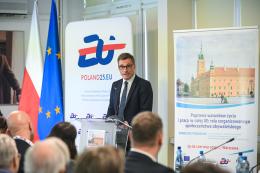
The annual meeting of the Presidents and Secretaries-General of the Economic and Social Councils (ESCs) of the EU and the European Economic and Social Committee (EESC) took place in Warsaw on 25–26 June 2025. This year's discussions focused on one of the EU’s most urgent priorities for citizens: improving living and working conditions across the Union.
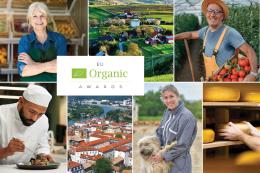
The finalists for the 2025 EU Organic Awards have been officially announced, celebrating outstanding contributions to organic production and consumption across the European Union. Twenty-one finalists from thirteen EU countries have been selected across seven categories. Winners will be revealed at the official ceremony in Brussels on 23 September 2025, during the EU Organic Day celebrations.
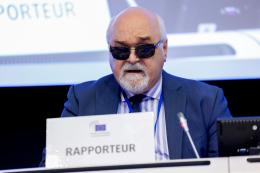
At its June 2025 plenary session, the European Economic and Social Committee (EESC) adopted a forward-looking opinion on the future of the EU Strategy on the Rights of Persons with Disabilities, calling for a more ambitious and binding approach for the 2025–2030 period.
On 23-24 June 2025, the Fundamental Rights and Rule of Law (FRRL) Group of the European Economic and Social Committee (EESC) concluded a two-day visit to Budapest.