
European Economic
and Social Committee
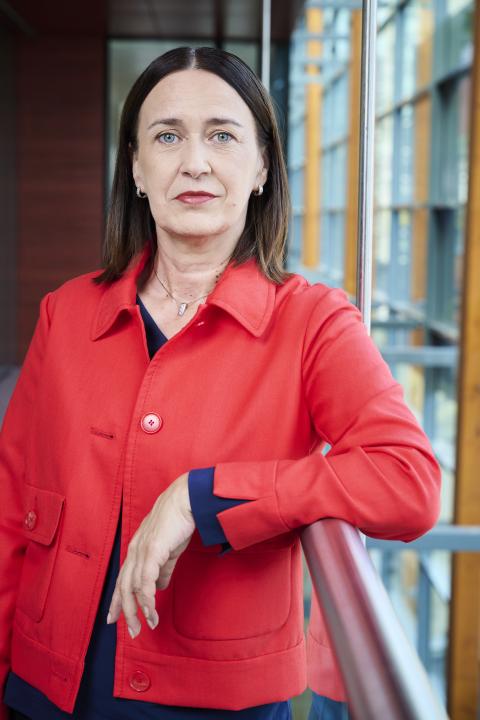
By Marija Hanževački
Today, we live in an increasingly difficult geopolitical context, both in Europe and globally. Wars, the rise of the extreme right, the spread of hate speech and growing polarisation have created an environment where civil society is under threat.
Communication platforms owned by oligarchs have become powerful weapons, further enabling these threats to undermine democracy and the values we stand for. This makes transparent, accountable and effective communication even more urgent.
It is in this climate that I am taking up the baton as the new Vice-President for Communication at the European Economic and Social Committee (EESC). Building on the work of my predecessors, I will strive to ensure that the EESC's voice, which is the voice of organised civil society, is not only heard but also understood and acted upon.
I am acutely aware of the responsibility that comes with representing EU’s civil society and social partners – almost 90 million citizens across Europe. Together with the EESC’s Communication Commission, our mission will be to make sure that our messages are clear, strong, and truly reflect the diversity and expertise of our members. Communication, after all, is not just about visibility; it is about impact.
The EESC’s decision-making process, which brings together representatives from all three EESC groups – Employers’, Workers’ and the Civil Society Organisations’ Group – is a powerful example of how organised civil society can influence EU policy and the lives of citizens.
I hope this will be reflected in our communication: my commitment is to make sure the EESC speaks with one voice, a voice that fully reflects the breadth and depth of our members’ experience, while ensuring our priorities reach both the European institutions and the wider public. Together with the members of the Communication Commission, I am also committed to demonstrating the immense importance of civil society for European democracy.
In an age of information overload and fake news, it is essential to focus our efforts on what truly matters. For the EESC, this means highlighting our achievements, addressing our challenges and demonstrating the added value we bring to European civil society. The Committee’s work and results must be communicated in a way that resonates with people’s everyday lives.
Transparency will be at the heart of my approach: our communication will be consistent and open, and will demonstrate our expertise in advising EU institutions and connecting the diverse perspectives of the organisations we represent.
While our resources may be more limited than those of other institutions, we are determined to find new opportunities to collaborate with European bodies and to organise activities that strengthen and promote dialogue and engagement.
Events such as Civil Society Week, Your Europe, Your Say, the Connecting EU seminar, and the Civil Society Prize are more than just fixtures on our calendar: they are platforms for meaningful exchange and for celebrating the vital role of civil society in shaping EU policies. I intend to continue these successful initiatives and to encourage open discussion on the issues that matter most to our members and the wider public.
Our members remain our greatest ambassadors. It is vital to find new and better ways to support them through outreach activities, ensuring open, two-way communication so that we listen to those we represent, and they, in turn, hear directly from us.
Looking ahead, I am optimistic. We can make a difference, and I am eager to work with the EESC leadership, members and all of you to ensure that the EESC continues to speak with one voice – a voice that champions transparency, diversity and the values that underpin European democracy.