This study explores effective practices for youth participation in policy and decision-making processes, providing a comprehensive overview of what youth participation means and its key characteristics
Far-right parties are gaining significant traction in Europe, potentially becoming the third or fourth largest group in the European Parliament after the upcoming European elections. This shift presents a critical threat to the rights and freedoms of millions of workers across the continent based upon their voting behaviour on social policy.
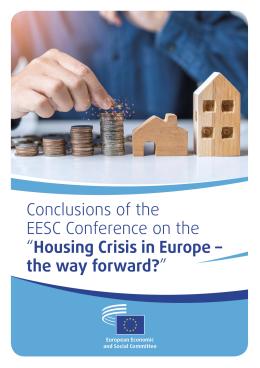
On 20 February 2024 in Brussels, the EESC organised a conference on the Housing Crisis in Europe. This publication sets out the participants' assessment of the current state of affairs and their recommendations on how to tackle the current housing crisis.
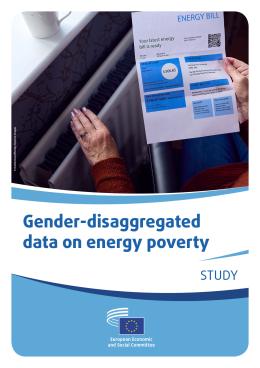
Recent economic shocks from the COVID-19 pandemic and the energy crisis in Europe following Russia’s invasion of Ukraine have brought energy poverty to the forefront of social and political debate. While EU policies increasingly address energy poverty, gender considerations remain overlooked. This study addresses this gap and aims to increase the understanding of the gender-energy poverty nexus, analysing existing literature and EU and national policies.
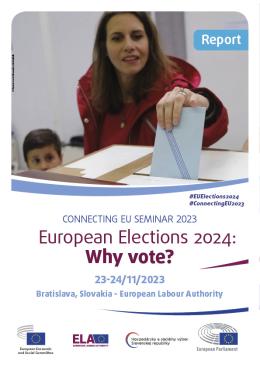
This brochure brings you the highlights of the EESC's Connecting EU 2023 seminar, held in Bratislava in November 2023 under the title "European Elections 2024: Why vote?"
Recovery from the current crisis, the impasse on long term EU budget and the future of the EU were the main topics of the discussion between the president of the EESC, ChristaSchweng, and the president of the European Parliament, David Sassoli. The two presidents met virtually on 1 December for the first time in the current EESC term.
This brochure presents the EESC's opinions relating to the cohesion policy for the post-2020 period. It demonstrates the important role played by organised civil society representatives during this period in exerting influence on decision-makers, which led to the adoption of a number of important policy packages concerning the next programming period. The EESC was the first European institution to contribute to the development of the new programming period (2021-2027).
This brochure presents the EESC's opinions, position papers, resolutions and statements calling for the necessary measures to be taken at EU level, or commenting on those that have already been put forward, in order to tackle the economic effects of the COVID-19 pandemic. We pushed for a reconstruction and recovery plan that lives up to this unprecedented challenge.