NAT/SDO online conference organized jointly with the German Council Presidency
Event type
Conference
Location
14:00 - 16:45
Brussels
Belgium
The conference will explore the role of European Civil Society in using digitalization in a way that it enables and drives sustainability to support the European Green Deal and the EU sustainable recovery.
Poverty and the role of civil society organisations in combatting it will be the focus of his Presidency
With the start of the 2020-2025 term of office of the EESC, Séamus Boland takes over the Presidency of the its Diversity Europe Group. Members confirmed his new role for the next two and a half years during the first group meeting of the new term held today, 27 October. Mr Boland's Presidency will focus on the topic of "Poverty and the role of civil society organisations in combatting it".
This study aims to set a framework for the legal recognition of the Rights of Nature in the EU legal order, as a prerequisite for a different and improved relationship between human beings and Nature. This aim should be possibly accomplished through the development of a EU Charter on Fundamental Rights of Nature.
The European Economic and Social Committee (EESC) has adopted the opinion 2030 Biodiversity Strategy during its September Plenary session, following the European Commission's communication on the EU Biodiversity Strategy for 2030 - Bringing nature back into our lives.
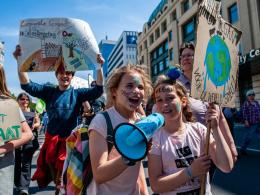
Young people have the right to have a say on matters that concern them. The climate emergency the world is facing today has mobilised millions of young people around the world, many of whom are profoundly affected by the threat it poses for their future. At the same time, it is the young people who have repeatedly demonstrated their energy, creativity and motivation to challenge current unsustainable models and push the decision-makers to adopt ambitious policies. Despite that, a wide gap remains between listening to young people, and actually acting upon their calls and demands.
Representatives of the European and Georgian Domestic Advisory Groups (DAGs), set up under the Trade and Sustainable Development Chapter of the Association Agreement between the European Union and Georgia, held their fifth joint meeting virtually on 9 July 2020.
Joint side event by the EESC and the Government of Slovenia at the High Level Political Forum (HLPF)
Event type
Webinar
Location
2.00-3.00 p.m. | Live on Twitter @EESC_SDO
The world is facing a climate emergency causing unprecedented economic, social and environmental challenges. Ambitious policy and action are necessary at all levels to accelerate a just transition to a sustainable future, while leaving no one behind. This is particularly relevant in the context of the COVID-19 pandemic, which has exposed the fragility of the current system. ► Watch again
Download — EESC opinion: Digitalisation and Sustainability – status quo and need for action in civil society perspective (Exploratory opinion at the request of the German presidency)
The core mission of the EESC Sustainable Development Observatory (SDO) is to promote sustainability in the EU by advancing economic prosperity, social inclusiveness and environmental responsibility in an integrated and balanced way. Its members come from a wide range of interest groups, with expertise in all areas of our work and extensive outreach with civil society organisations across European Member States.
This opinion will look into the possibilities to engage with young people in a formal way at institutional level and provide the building blocks for a new structured approach to youth engagement at EU level.
Download format:
Download — EESC opinion: Towards structured youth engagement on climate and sustainability in the EU decision-making process (own-initiative opinion)