The EESC welcomes the organisation of the Strategic Dialogue on the future of EU agriculture, which brought together key stakeholders from across the whole agri-food chain and rural communities. The consensus report from this dialogue published on 4 September highlights several key proposals that align with prior EESC recommendations, validating the EESC’s role in shaping policy through co-created, stakeholder-driven solutions.
The European Economic and Social Committee (EESC) recognises that green hydrogen is an important building block in the transition towards renewable energy sources, and says that its infrastructure, financing and remit have to be carefully planned
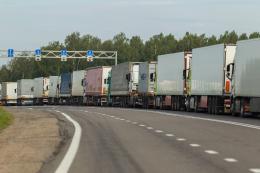
For Bulgaria and Romania, the costs of not being full members of the Schengen area are counted in billions of euros. The transport and tourism sectors of both countries are most affected and checks at land borders create huge barriers for Romanian and Bulgarian companies, restricting their competitiveness and preventing them from fully reaping the benefits of the single market
Civil society organisations, individuals and private companies can now enter their non-profit projects for the EESC’s prize dedicated to combating the harmful polarisation of European society