The need for skilled workforce in the EU makes it necessary to enhance legal migration pathways in the EU. Our opinion SOC/824 "Enhancing legal and organised labour migration to the EU" calls for a balanced approach between the EU and the countries of origin (CoOs) in all current and future migration frameworks.
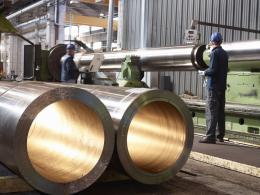
Without a strong European industry, neither strategic autonomy nor the essential competitiveness of the European economy can be achieved. European citizens need the EU to maintain a strong industrial base as a source of quality jobs, progress, innovation and high value-added services. Finally, EU institutions have understood this urgency.
In our Opinion “Assessing tax reporting obligations in the EU: costs, benefits and effective use of information by tax authorities”, the EESC recommends conducting competitiveness checks of new legislative initiatives in the field of taxation, including for SMEs, in order to evaluate – through an analytical and dedicated tool – whether the new rules actually support the stated objectives of economic growth, competitiveness and innovation, while minimising unnecessary burdens and compliance costs. The measurement of administrative burden, and its reduction towards the stated objectives, need also to be quickly developed and applied.
The world order is transitioning to a new multipolar era, accompanied by escalating challenges to socioeconomic and environmental sustainability. The global economy is undergoing significant systemic risks, marked by increasing geo-economic fragmentation, driven by geopolitical tensions, economic and currency related, energy and food security concerns, as well as crucial policy shifts such as the green and digital transitions.
Premises of 3F (United Federation of Workers in Denmark )
Copenhagen
Denmark
The Workers' Group is organising an extraordinary meeting in Copenhagen, on the occasion of the upcoming Danish EU Presidency. Topics of discussion include the Danish labour market, geopolitical challenges in the region and the priorities and programme of the Presidency.
As these lines are written, the war against Hamas and the bombing of Gaza rages on. Activists carrying humanitarian aid have been illegally seized in international waters. Between 40 and 70 thousand Palestinians, the vast majority civilians, have been killed directly by bombing and violence.