
European Economic
and Social Committee
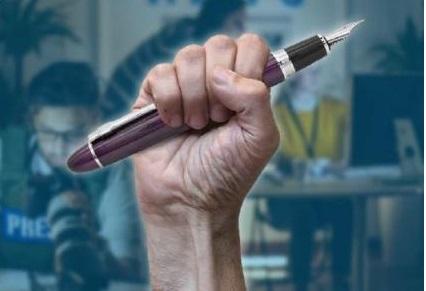
The European Economic and Social Committee (EESC) has called for urgent action to strengthen labour rights for journalists and media professionals across Europe, emphasising that decent working conditions are vital to protect the independence of journalism and ensure the general public has access to reliable, pluralist information.
In an opinion based on extensive research and stakeholder input, adopted at its December plenary, the EESC recommended improving working conditions, supporting media pluralism, and protecting journalists from economic and physical threats. The opinion has since been welcomed by the European Federation of Journalists (EFJ).
'Today, the working environment for journalists is increasingly hostile: lies and rumours - as well as job insecurity and poor working conditions for information workers - undermine not only the quality of information but freedom itself', said rapporteur José Antonio Moreno Díaz in a video message.
In the same message, co-rapporteur Christian Moos emphasised that 'Europe is at a crossroads: either we take decisive action to protect journalists, or we risk weakening one of the pillars of our democracy'.
The EESC called for full application of the European Media Freedom Act (EMFA) and urged the European Commission to ensure that Member States complied with it. Independent support for media outlets, including VAT reductions, was needed to counteract the dominance of large online platforms and sustain the European media sector.
The Committee stressed the importance of social dialogue and collective bargaining for all journalists, including freelancers, and called for governments to implement minimum wage directives and guidelines for collective agreements. Action against bogus self-employment and full application of EU occupational safety and health directives are also being called for, alongside increased funding for quality jobs in the media sector.
Journalists face insecurity, stress, burnout and harassment, with freelancers particularly vulnerable to this, due to declining collective agreements and inadequate social protection. The EESC calls for deeper engagement with journalists’ organisations to build structures that safeguard safety and well-being, and supports the adoption of a directive on psychosocial risks at the workplace.
EU AI legislation should be monitored to balance innovation with protection for journalists, and AI literacy should be encouraged, the EESC said, highlighting the threat of disinformation and challenges to work-life balance. The Committee expressed concern about media ownership concentration and the vulnerability of public service media, calling for strict enforcement of the EMFA and sustainable support for independent journalism initiatives. (lm)