
European Economic
and Social Committee
EESC President
President Boland on first 100 days of mandate and priorities for 2026
European Economic and Social Committee (EESC) President Séamus Boland reflects on the 100 days since his inauguration and outlines his goals for the year ahead.
My vision is a Union of opportunities, security and resilience with civil society at its heart. The last 100 days has convinced me that this is not only the right path, it's the only path.
This is a new Europe. We need to be more competitive, we need defence and security.
But what are we defending? We can't lose sight of what makes the EU unique. This includes our values and our social model.
People cannot participate in society if they are excluded, if there is a shrinking civic space, if our economies are leaving them behind.
If we don’t listen to the grassroots – to workers, small businesses and communities – we end up with policy and legislation that doesn't meet their needs. But not only this, we create fertile ground for extremists.
This is why civil society and the EESC must play our essential role helping shape and build this new Europe.
The need for a sustainable competitiveness
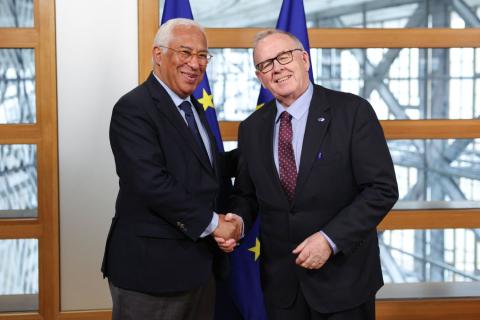
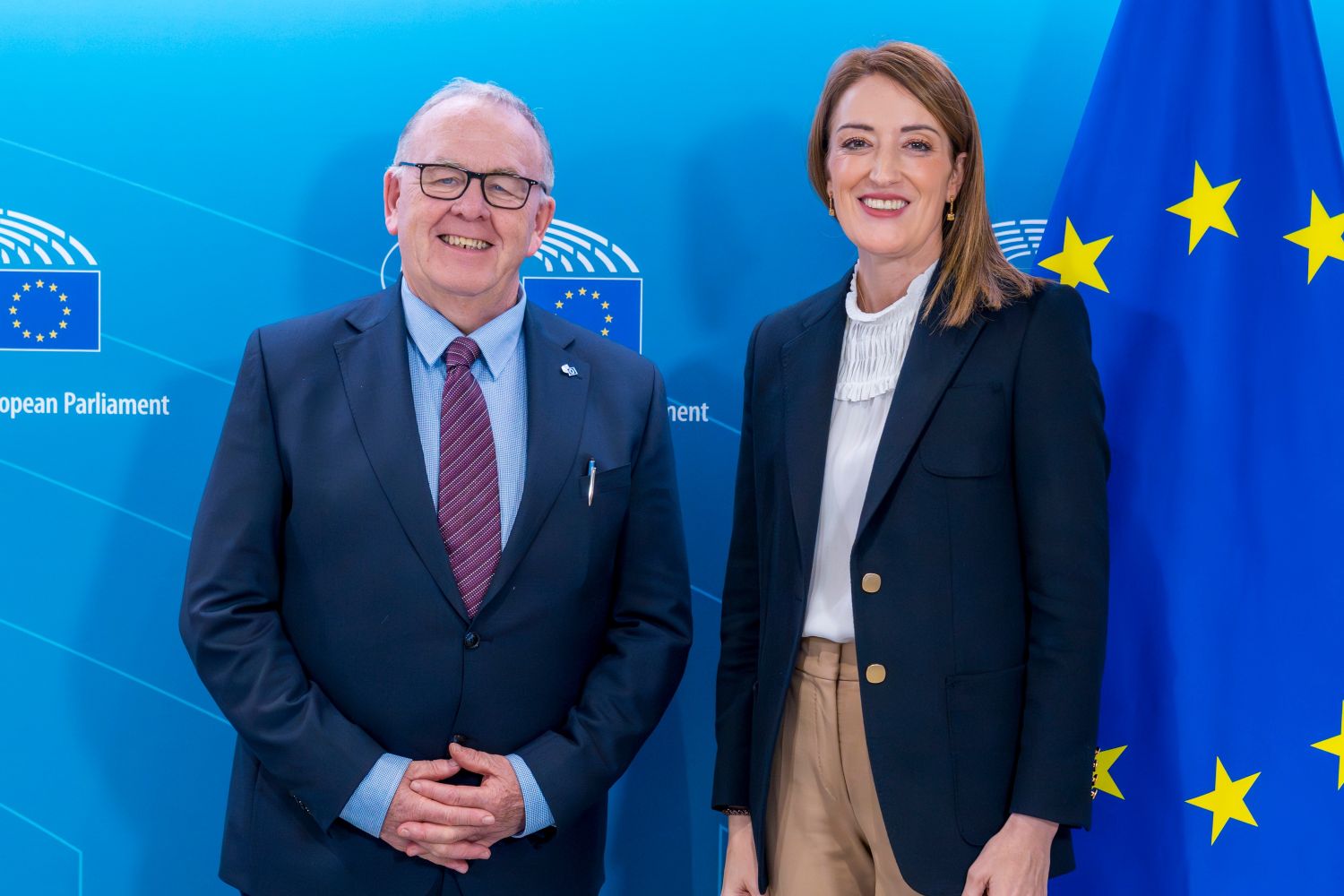
Over the last 100 days I've met with the Presidents of the European Council and European Parliament, a dozen Commissioners, more than 20 MEPs and many ministers and ambassadors from EU Member States.
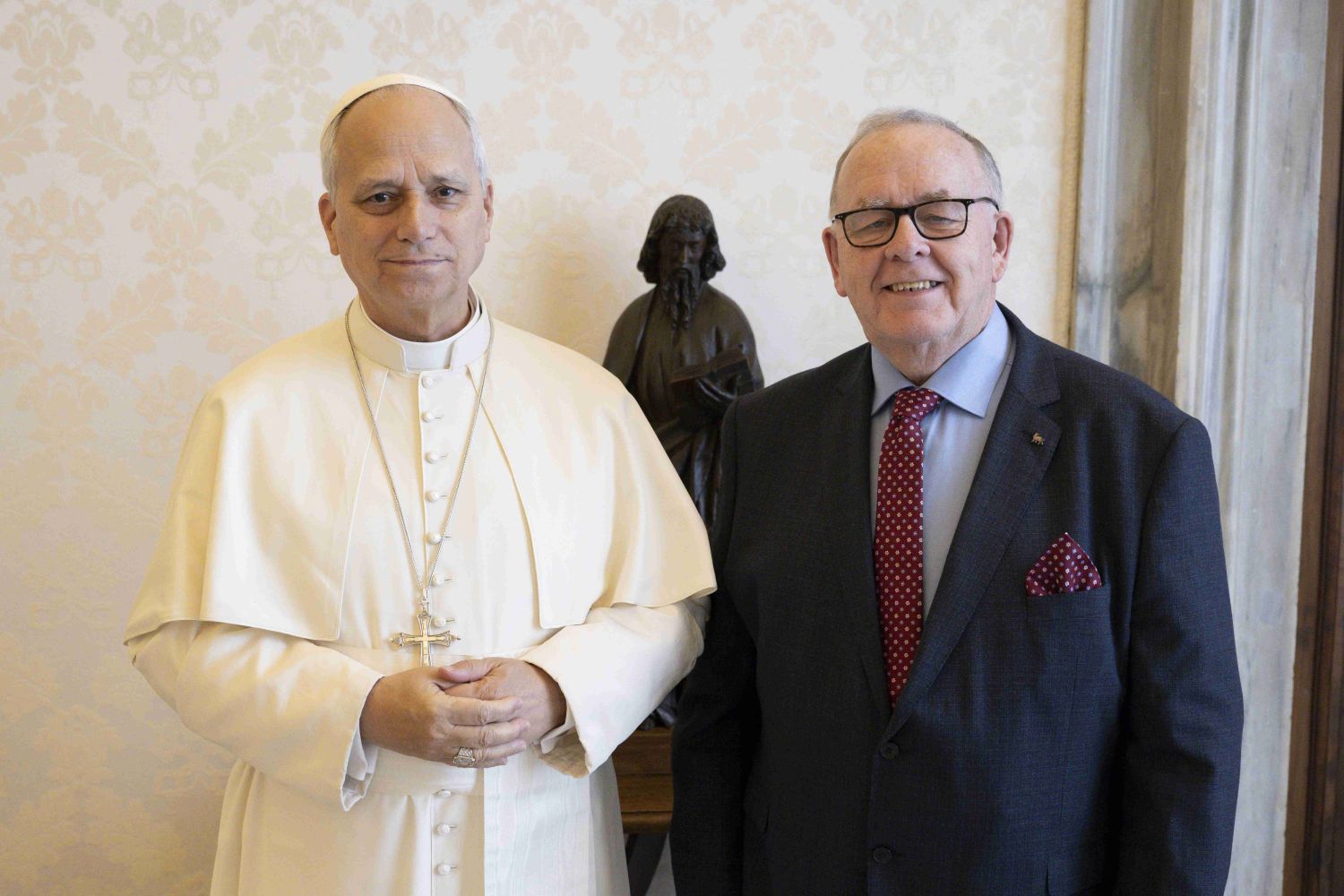
My first mission was to the Baltic countries, to show support to leaders and civil society in the EU's frontline states. I was also privileged to have a substantive private audience with Pope Leo XIV where we discussed poverty, human dignity, and defending civic space and democracy.
From these conversations, what is becoming increasingly clear to me is that politicians are acutely aware that the current drive for competitiveness and security will only be viable if it is accompanied by sustainable social policies.
Indeed, after our first meeting on housing in October, I was asked by European Council President Costa for an exchange of on the topic of competitiveness ahead of the informal retreat and European Council.
I stressed to him that we need sustainable competitiveness and sustainable social policies. They are interdependent.
We need to take a more holistic approach to competitiveness. This includes tackling affordable housing, a unified energy market and gender equality in the labour market, which will all improve European competitiveness.
I also suggested to President Costa that we need to communicate to citizens in simpler language and from a more peopled-centred perspective.
Bringing citizens on board is a prerequisite for Europe's resilience and security in this new geo-economic global context.
Defence and increased military spending is a good example of this. Security is not just about more weapons and tanks. It is also about civil preparedness.
Civil society has a major role to play here. They are the first responders in storms, floods, major power outages.
Focus for 2026
Our work on sustainable competitiveness will also include AI and a human-centred approach which preserves the dignity and rights of workers.
On housing, we're partnering with the Cyprus EU Council Presidency on the topic of energy poverty. We're working with President Costa and Commissioner Jorgensen on the Affordable Housing Strategy, which this Committee has long called for, and looking forward to collaborating with the Irish EU Council Presidency on this topic.
Tackling poverty more widely will also continue to be a top priority. This year we'll be heavily engaged in the European Commission's anti-poverty strategy. In October, to coincide with the International Day for the Eradication of Poverty, we'll be hosting a high-level conference on this topic.
The mental health of young people and the impact of digital technologies is another focus area. Our plenary in March will host an extended debate on this topic with several high level and expert speakers.
And on the topic of involving young people, the EESC will continue to walk the talk with the Youth Test, to ensure policies reflect the perspectives of future generations. This will continue on topics including the environment, housing and education.
Enlargement will also continue to be a major priority through our Enlargement Candidate Members, which truly strengthens the enlargement process through the active involvement of civil society.
And in my visits both inside and outside the EU this year I will keep flying the flag for democracy, human rights and civil society as foundations for peace and stability.
There's a reason why authoritarians and governments moving in an anti-democratic direction target and try to undermine the civic space.
A strong civic space ensures that all voices, including those of environmental, social, and economic stakeholders, are heard. Sometimes awkward voices that some governments would rather ignore.
As the EESC we're proud to represent these voices. In 2026, we will keep bringing the voices of ordinary citizens here to the heart of Europe.
| 
|
Work organisation
Contact
Séamus BOLAND
European Economic and Social Committee
rue Belliard/Belliardstraat 99-101 1040 Brussels Belgium
Tel (secretariat): +32 (0)2 546 97 25 - Email (secretariat)
Media Contact
For press and media inquiries, please contact the President's Spokesperson