
European Economic
and Social Committee
EESC President
EESC Delegation Reinforces Civil Society Ties with Brazil

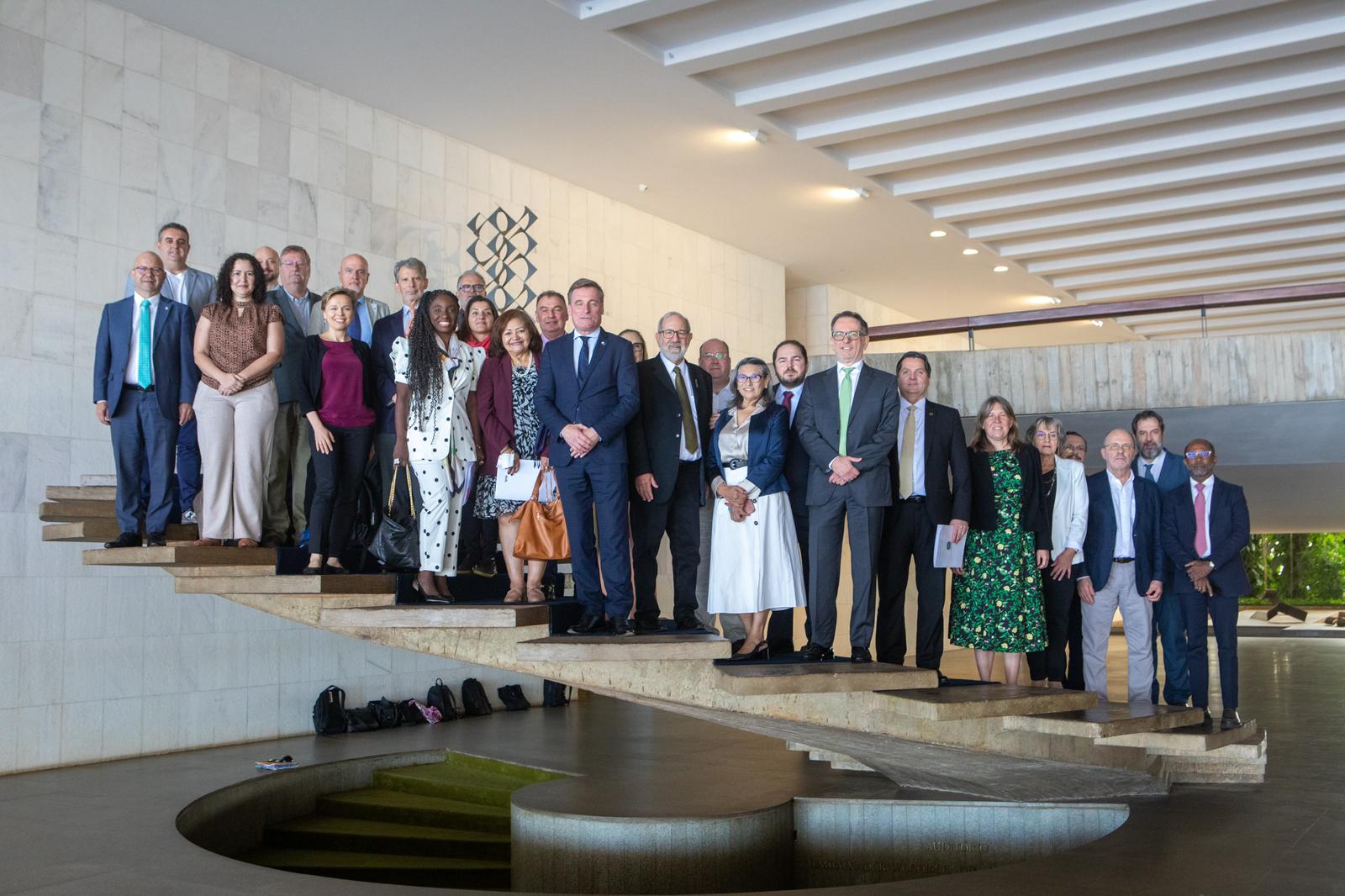
An EESC delegation of 12 members, headed by President Oliver Röpke, carried out a high-level mission to Brazil from 28 to 30 July to strengthen EU-Brazil relations and deepen civil society cooperation. The visit centred on the 9th EU-Brazil Civil Society Round Table, co-organised with Brazil’s Sustainable Economic and Social Development Council (CDESS), and included high-level meetings with key political figures.
As part of the mission, the delegation had an encounterwith Brazilian President Luiz Inácio Lula da Silva at the Palácio do Planalto. Discussions focused on the G20 Social agenda, preparations for COP30 in Belém, and the need to defend democracy in the face of disinformation and rising geopolitical pressure. President Röpke praised Brazil’s recent removal from the UN’s map of hunger, an achievement that reflects the country’s focus on inclusive social policy under President Lula’s leadership. Both sides strongly rejected recent attempts by the US administration to use trade policy to undermine Brazil’s sovereignty and the independence of its judicial system.
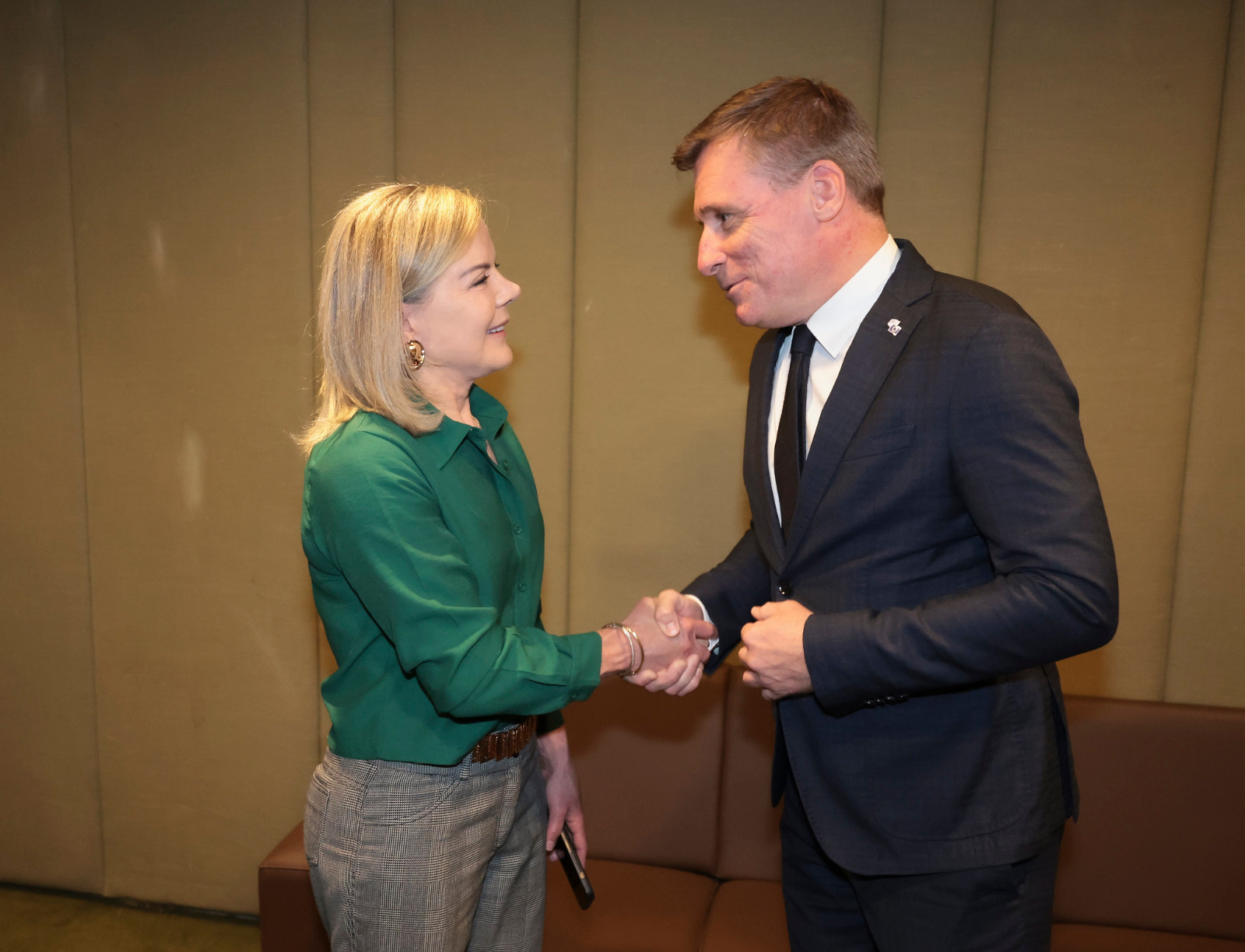
The Round Table brought together Minister Gleisi Hoffmann, Minister Márcio Macêdo, EU Ambassador Marian Schuegraf, members of CDESS, and the full EESC delegation. Across five sessions, participants tackled the core challenges and opportunities facing the EU-Brazil relationship:
- A session on the EU-Mercosur Partnership Agreement focused on ensuring the deal delivers on sustainability, labour standards and civil society participation in its implementation.
- A panel dedicated to COP30 and climate action underscored the need for just transitions, greater climate finance, and strong civil society engagement in environmental governance.
- Discussions on the digital transition and the world of work addressed how AI and emerging technologies must support workers' rights and promote inclusive growth.
- A session on democracy and disinformation brought attention to the threats posed by false narratives, algorithmic manipulation, and declining trust, and how civil society can help restore democratic resilience.
- Finally, a dedicated institutional session reinforced the partnership between the EESC and CDESS, with a focus on strengthening structured dialogue going forward.
The Round Table concluded with the signing of a Joint Declaration, outlining a shared agenda for future cooperation between the EESC and CDESS. The declaration reflects a strong commitment to sustainability, social justice, inclusive trade, and democratic values. The Joint Declaration reaffirmed both sides’ commitment to a global mobilisation towards COP30, placing civil society at the heart of climate diplomacy.
“This mission confirmed once again that civil society is the bridge between people and policymakers,” said President Röpke. “Through dialogue and mutual respect, the EU and Brazil can shape a fairer, more sustainable and more democratic global future, rooted in sovereignty, justice and shared values.”
Contact
Séamus BOLAND
European Economic and Social Committee
rue Belliard/Belliardstraat 99-101 1040 Brussels Belgium
Tel (secretariat): +32 (0)2 546 97 25 - Email (secretariat)
Media Contact
For press and media inquiries, please contact the President's Spokesperson