Highlights that this unique enlargement, shaped by current geopolitical circumstances, should not undermine candidate countries' preparedness, necessary legislative reforms, or adherence to core EU values. Ensuring these aspects is crucial despite the distinct challenges posed by the present situation.
Believes that this enlargement offers opportunities to enhance the EU’s strategic autonomy but acknowledges the mixed results of past expansions. It urges the European Commission and candidate Member States to manage the impacts on potential losers, particularly family farms and agri-food SMEs in both the EU and candidate countries.
Stresses that candidate countries must align with CAP objectives and values. Necessary CAP reforms and a related financial framework should be agreed upon before enlargement, with an increased CAP budget to compensate EU farmers for any negative effects, considering social costs. Current net contributors must be prepared to pay a higher GDP proportion to the EU, given the net benefits for EU industrial goods and services exporters.
On 1 July, Hungary took over the presidency of the Council of the EU and will have a crucial role to play at Europe’s helm.
At a time of political renewal in the wake of the European elections, the EESC intends to be a responsible partner to the Hungarian presidency, and play a pivotal role in shaping some of the political priorities throughout the coming legislative cycle.
At the request of the Hungarian presidency, the Committee will draw up 10 exploratory opinions. Consult our new brochure to discover more and find out who the EESC's Hungarian members are and which organisations they represent. (cw)
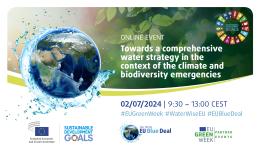
This event, organized by the Sustainable Development Observatory (SDO) in cooperation with the Consultative Committee on Industrial Change (CCMI), follows up on the EESC's call for an EU Blue Deal. We'll examine the role of water in the climate and biodiversity emergencies we face, seeking cohesive, sustainable solutions for water resilience.