Europe faces a structural challenge related to the affordability of housing, exacerbated by increased exposure to international risk factors. It is important to identify the root causes of this situation to be able to develop solutions that will guarantee effective access to affordable housing. Repeated crises at the global level – health, energy, geopolitical – have reminded us that, as with any good of service, the price of housing is regulated by supply and the ability of demand to compensate for that supply. The number of housing units granted building permits fell by 25% in five years, from 2 million permits to 1,5 million. At the same time, the cost of construction materials rose by around 30%, influenced by the cost of energy and supply shortages.
Against a backdrop of growing geopolitical instability, multiple social fractures and an accelerating climate change crisis, the Committee has set out key recommendations for the European Commission, which is expected to adopt its 2027 work programme in October.
Ahead of the UN Water Conference 2026, the European Economic and Social Committee (EESC) held a plenary debate with EU Commissioner for Environment and Water Resilience Jessika Roswall. The EESC calls for water to be treated as a strategic resource for Europe’s economy, security and global role.
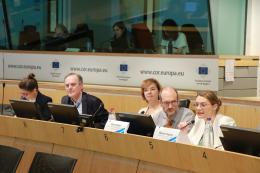
On 17 June, the EESC Employers' Group hosted a debate on housing with representatives from the housing and construction sectors. As the number of housing units granted building permits in the EU fell by 25% in five years, from 2 million permits to 1,5 million, the discussion delved into how the supply of housing can be increased and barriers overcome.