The energy infrastructure, like infrastructure for transporting and distributing energy, cannot be treated like any other commodity and must instead be classified as a service of general interest for the economy and the population.
Particular attention should be paid to defining grid development, including cross-borders interconnections, both onshore and offshore, as critical infrastructure of an overriding public interest, including climate protection as a regulatory objective and, more generally, synchronising the planning of renewable energies and the electricity grid more effectively.
Recognising the rising demand, it is particular important that substantial investments are made in electricity networks to stimulate the European economy and create high-quality (green) jobs.
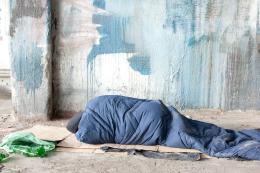
Almost 900 000 people experience street homelessness or stay in a shelter on any given night in the EU. With homelessness rising rapidly, the EESC calls upon Member States and the EU to take concrete action
On 12 December 2023, the Bureau of the European Economic and Social Committee (EESC) decided to appoint Isabelle Le Galo Flores as its new Secretary-General.
This ex-post evaluation includes the EESC’s contribution to the ex-post evaluation carried out by the European Commission on the implementation of the Asylum Migration and Integration Fund (AMIF) 2014-2020. The EESC has specially focused on asylum procedures, reception systems and labour market integration of third country nationals.
The evaluation focuses on collecting and analysing the views of organisations representing social partners, organized civil society, international institutions, public authorities at national, regional and local levels and academic institutions on how the AMIF has been implemented in selected EU Member States. The five countries selected were Greece, Italy, Belgium, France, and Sweden, so as to cover countries of first arrival, transit and destination.