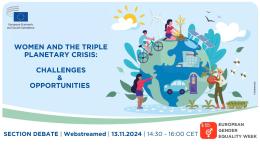
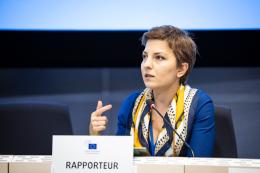
In the context of the European Gender Equality Week, the European Economic and Social Committee is organising a thematic debate during the meeting of its Section for Agriculture, Rural Development and the Environment (NAT) on 13 November 2024 (14:30 - 16:00 CET), focusing on the disproportionate impact of climate change, pollution, and biodiversity loss on women and girls, and the critical role they play in advocating for solutions.
In two new opinions adopted at its October plenary session, the European Economic and Social Committee (EESC) calls for key reforms to strengthen the competitiveness of the EU economy, based on sustainable growth and a balanced fiscal approach to supporting green and digital investments. The EESC underlines the key role of NextGenerationEU, the EU’s COVID-19 recovery instrument, and calls for similar instruments to be included in the new long-term EU budget.
Rene Tammist
Display date
1 year 5 months ago
Fostering sustainable and resilient food systems at times of growing crises
The opinion expresses the views of the EU organized civil society on the priorities to the sixty-ninth session of the Commission on the Status of Women (UNCSW69). It calls for an increased pace of progress on gender equality, be more vocal about the shrinking space for civil society and block any backlash against women’s rights. Some challenges to be addressed include attracting more women to politics, addressing violence against women, ensuring a gender-equal just transition, closing the gender digital gap and the unpaid care responsibilities and ensuring women stay in the labour market.
An opinion adopted during the October plenary session pointed out that local communities, particularly those close to nuclear installations, and national civil society organisations should have their say, and be given the support needed to do so. The burden of processing nuclear waste should not be left to future generations and recycling techniques should be used wherever possible.