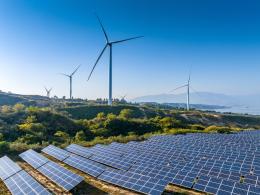
The European Economic and Social Committee (EESC) calls on the EU to champion an innovative, sustainable, and circular bioeconomy model that aligns with the European Green Deal and climate goals. In its recent opinion, Aligning the circular economy and the bioeconomy at the EU and national level,adopted at the October plenary, the EESC outlines how a strong bioeconomy strategy can amplify Europe’s economic and ecological benefits, strengthen resilience, and support a fair transition for all.
The European Economic and Social Committee (EESC) has adopted an opinion that aims to safeguard citizens' fundamental rights in the midst of the implementation of AI technology in public services.
The European Economic and Social Committee (EESC) fully supports the objectives of the European Green Deal. However, it urgently calls for attention to be paid to the negative aspects of the deal, which have affected employment and EU competitiveness.
The European Economic and Social Committee (EESC) has laid out a bold vision for transforming the EU's agriculture, fisheries, and food systems to better withstand crises while ensuring sustainability. The opinion "Fostering sustainable and resilient food systems in times of crisis," requested by the Hungarian presidency, was adopted at the October plenary.