At the initiative of the EESC’s Civil Society Organisations’ Group, this exhibition showcased projects that have been coordinated by the Danish architecture firm BIG-Bjarke Ingels Group.
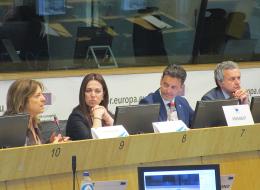
On 29 April 2025, Employers' Groupmembers discussed EU priorities and addressed the future of EU competitiveness with two partner organisations: SGI Europe and Copa-Cogeca, putting a special focus on the agri-food sector and the broader economic ecosystem.
The need for skilled workforce in the EU makes it necessary to enhance legal migration pathways in the EU. Our opinion SOC/824 "Enhancing legal and organised labour migration to the EU" calls for a balanced approach between the EU and the countries of origin (CoOs) in all current and future migration frameworks.
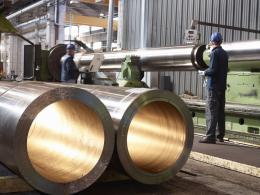
Without a strong European industry, neither strategic autonomy nor the essential competitiveness of the European economy can be achieved. European citizens need the EU to maintain a strong industrial base as a source of quality jobs, progress, innovation and high value-added services. Finally, EU institutions have understood this urgency.
In our Opinion “Assessing tax reporting obligations in the EU: costs, benefits and effective use of information by tax authorities”, the EESC recommends conducting competitiveness checks of new legislative initiatives in the field of taxation, including for SMEs, in order to evaluate – through an analytical and dedicated tool – whether the new rules actually support the stated objectives of economic growth, competitiveness and innovation, while minimising unnecessary burdens and compliance costs. The measurement of administrative burden, and its reduction towards the stated objectives, need also to be quickly developed and applied.