
European Economic
and Social Committee
Supporting parenting students in higher education: making invisible students visible

Across Europe, increasing attention is being paid to widening participation in higher education and supporting diverse student populations. Yet one group often remains invisible in policy discussions and institutional strategies: students with caring responsibilities, particularly those raising children while pursuing their studies.
In Hungary, unpaid care work is often referred to as “invisible work”. It is work that becomes immediately noticeable when it is not done, but often goes unrecognised when it is. Parenting students face a similar challenge: while balancing studies and caring responsibilities requires significant effort, their specific needs often remain overlooked by higher education institutions and policymakers.
To address this gap, the National Association of Large Families in Hungary (NOE) recently completed the Erasmus+ cooperation partnership project Supporting Inclusive Learning Environments: Higher Education Strategies for Supporting Parenting Students. The project brought together an unusual but highly effective partnership of universities, family organisations and student unions, ensuring that all sides of the issue were represented when identifying barriers and designing solutions.
One of the project's most important findings is that parenting students face a range of obstacles that can negatively affect their academic success and even lead them to interrupt or abandon their studies. While childcare responsibilities are the most visible challenge, many students also care for older relatives or other dependent family members. Despite their significant numbers, limited European research and very few practical methodologies exist to support this target group.
To better understand these realities, the partnership carried out extensive research and focus groups involving students, academic staff and institutional stakeholders. Based on the evidence collected, the project developed an online Toolkit containing practical measures that higher education institutions can implement to become more family-friendly and inclusive.
The Toolkit offers solutions that are both low-cost and more comprehensive. Some measures can be introduced immediately, such as greater flexibility in examination schedules, attendance requirements and communication methods. Others require longer-term investment, including family-friendly student housing, childcare services and dedicated support structures for students with caring responsibilities.
The experience of this project demonstrates that supporting parenting students is not only a matter of social inclusion. It is also an investment in educational attainment, equal opportunities and demographic resilience. By making this often-overlooked group visible and providing practical tools for action, the initiative offers a model that can be replicated across Europe.
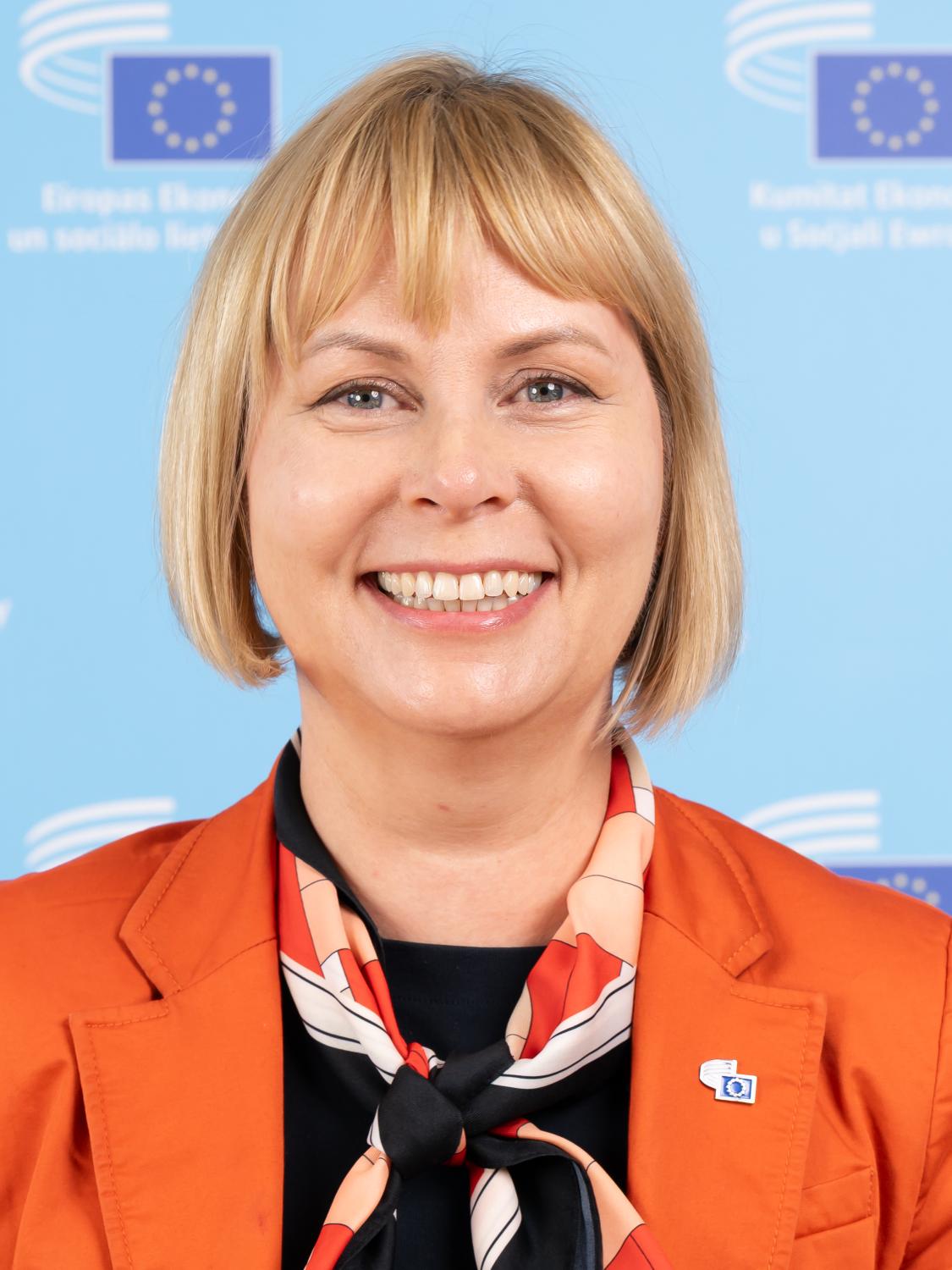
Kinga JOÓ (Hungary)
Member, EESC Civil Society Organisations' Group
International Advisor, National Association of Large Families (NOE)
Chair of the Social Responsibility Board, National Civil Cooperation Fund (NEA)
© EU/EESC