
European Economic
and Social Committee
REFLECTIONS BY CIVIL SOCIETY PARTNERS: Building resilient communities
Civil society: the cornerstone of resilient Mediterranean communities
If we want the Mediterranean to withstand shocks – be they climate‑related, geopolitical or economic – there is no substitute for people and communities acting together. Across the region, civil society is already demonstrating resilience in action: volunteers mobilising in flood-hit towns, women-led cooperatives managing water scarcity, researchers sharing climate data across borders, and environmental associations designing recovery plans with minimal resources.
Yet individual action on its own is not enough. All actors need to pull together. Resilience must be structural, systemic and sustained. No single government, organisation or policy can replace the intelligence, networks and trust that civil society generates. That is why the Union for the Mediterranean (UfM) places local actors at the heart of crisis response – not as beneficiaries, but as co-architects of recovery and preparedness.
Building resilient communities rests on three essential pillars:
- Early‑warning systems co‑designed with local actors who understand their own terrain, vulnerabilities and capacities.
- Reconstruction frameworks that restore social trust and institutions alongside physical infrastructure.
- Regional mechanisms that enable civil society organisations to collaborate across borders, share expertise and scale effective solutions.
Our institutional reforms aim to make the UfM more horizontal and responsive, bridging the gap between community-level knowledge and regional policy, translating political commitments into support that actually reaches municipalities, cooperatives and neighbourhood associations.
The Mediterranean faces unprecedented challenges: it is warming faster than almost anywhere else on Earth, suffering protracted conflicts and grappling with structural fragilities that no single country can resolve alone. Yet its greatest asset cannot be captured in statistics or budgets. It lies in its vibrant fabric of civic actors – people who have navigated crises for generations and sustained hope where resources are scarce.
Regional institutions exist to amplify that strength, transforming local ingenuity into regional resilience. Few know this better than the EESC’s Civil Society Organisations’ Group. The opportunity that lies before us is clear: together, we can ensure that Mediterranean communities are not merely withstanding shocks, but thriving – bolstered by civil society, enabled by regional cooperation and connected to a Europe that delivers on its promises.
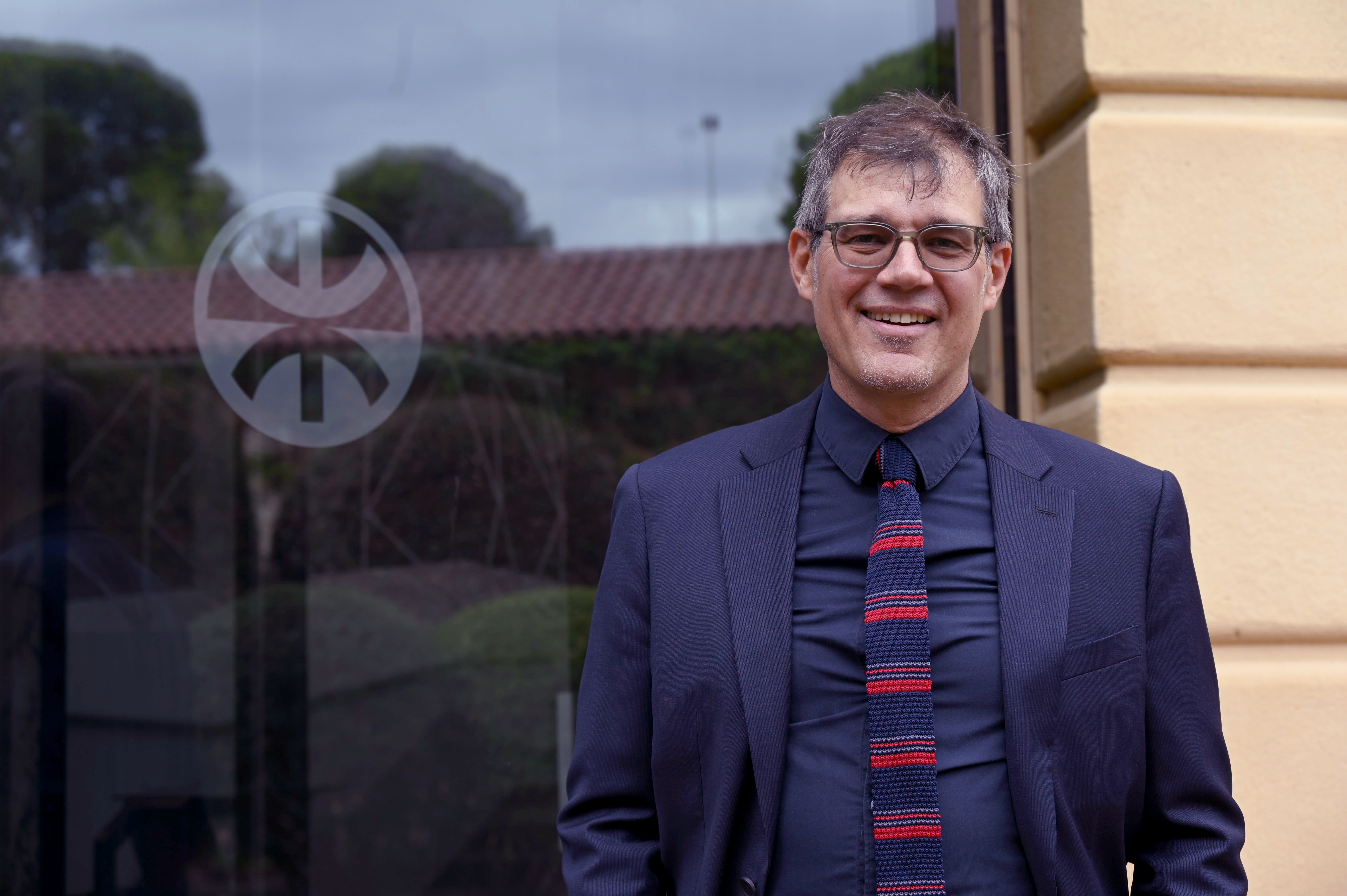
Deputy Secretary General for Stability and Resilience, Union for the Mediterranean (UfM)
© UfM